
 EN
EN
 AR
AR
 BG
BG
 HR
HR
 CS
CS
 DA
DA
 NL
NL
 FI
FI
 FR
FR
 DE
DE
 EL
EL
 IT
IT
 JA
JA
 KO
KO
 NO
NO
 PL
PL
 PT
PT
 RO
RO
 RU
RU
 ES
ES
 SV
SV
 TL
TL
 IW
IW
 LV
LV
 LT
LT
 SR
SR
 SK
SK
 SL
SL
 UK
UK
 VI
VI
 ET
ET
 HU
HU
 MT
MT
 TH
TH
 TR
TR
 FA
FA
 MS
MS
 GA
GA
 CY
CY
 IS
IS

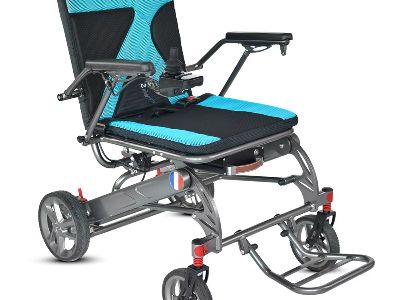
Electric wheelchairs are essential mobility solutions for individuals requiring assistance in daily transportation. The design and functionality of these devices play a crucial role in enhancing users' quality of life. When considering a wheelchair electric design for daily personal transportation, buyers often focus on aspects like comfort, safety, durability, and portability. This article will provide insights on evaluating electric wheelchair manufacturing, identifying reliable suppliers, installation guidance, choosing the right model, and understanding practical applications in everyday life.
How to Evaluate Quality in Electric Wheelchair Manufacturing?
When assessing the quality of electric wheelchairs, buyers should focus on several key factors. First, the materials used in the construction significantly impact both durability and comfort. High-quality aluminum or steel frames provide strength without adding excessive weight, which is crucial for portability. Additionally, the upholstery should be made from easy-to-clean, breathable materials that enhance user comfort. Another critical aspect is the manufacturing process. A reputable manufacturer, like Nanjing CareMoving Rehabilitation Equipment Co., Ltd., adheres to strict quality control processes, including ISO 13485 certification, ensuring compliance with international standards.
Buyers should inquire about the production capacity 2,000 wheelchairs per month in this case and the machinery used, ensuring that advanced equipment supports precision and quality. Finally, inspecting the final assembly and testing procedures is essential. electric wheelchair wheelchairs should undergo rigorous testing for safety features, battery life, and performance under various conditions. Establishing a relationship with manufacturers who provide transparency in their quality assurance processes can lead to more reliable purchases.
Where to Find Reliable Suppliers for Electric Wheelchairs?
Finding a dependable supplier for electric wheelchairs requires thorough research and due diligence. Start by attending industry trade shows and exhibitions, where manufacturers showcase their products and engage with potential buyers. This direct interaction allows for firsthand assessments of product quality and supplier reliability. Online marketplaces and directories can also be valuable resources. Look for suppliers with positive reviews and verified certifications, such as FDA and RoHS compliance. Requesting references or case studies from existing clients can provide insights into a supplier's reliability and responsiveness. Additionally, consider suppliers that offer customization options. Understanding their ability to adapt products to meet specific buyer requirements can be crucial for large projects or specialized applications. By leveraging these strategies, buyers can identify suppliers that align with their quality and reliability expectations.
Installation Guidance for Electric Wheelchairs in Various Settings
Proper installation of electric wheelchairs is vital for ensuring safety and functionality. In residential settings, assess the space available for maneuverability. Ensure that doorways, hallways, and staircases are adequately sized to accommodate the wheelchair's dimensions, which should be confirmed with the manufacturer.
For public spaces, compliance with local regulations regarding accessibility is essential. electric wheelchairs for sale wheelchairs should be compatible with ramps, elevators, and other facilities designed for mobility aids. It is advisable to consult with the supplier about installation guidelines and recommended modifications for specific environments. In commercial settings, such as healthcare facilities or rehabilitation centers, staff training on the proper usage and maintenance of electric wheelchairs is recommended. Providing clear operating instructions can enhance user safety and prolong the product's lifespan.
Choosing the Right Electric Wheelchair for Daily Personal Transportation
Selecting the right electric wheelchair involves evaluating several essential criteria. First, consider the user's specific needs, including weight capacity, range, and terrain adaptability. For daily personal transportation, a model with a robust battery life ideally allowing for at least 15-20 miles on a single charge will minimize the frequency of recharging. Next, assess the wheelchair's weight and fold ability. Lightweight models that can be easily folded are beneficial for users who require transport in vehicles or public transportation. Additionally, ensure that the design includes features such as adjustable seating, ergonomic controls, and safety features like anti-tip mechanisms. Buyers should also explore customization options. Manufacturers may provide various configurations to meet individual user preferences, ensuring a more comfortable and effective transportation solution.
Application Scenarios for Electric Wheelchairs in Everyday Use
Electric wheelchairs serve a diverse range of applications in everyday life. In residential environments, they facilitate mobility for individuals with limited physical capabilities, enabling access to different rooms and outdoor spaces. For urban dwellers, electric wheelchairs enhance independence by allowing users to navigate sidewalks, cross streets, and access stores or public facilities. In healthcare settings, electric wheelchairs play a crucial role in patient mobility, assisting those recovering from surgeries or managing chronic conditions. Facilities often utilize these wheelchairs for patient transport, ensuring that individuals can attend appointments or therapy sessions without unnecessary strain. Moreover, during travel, lightweight electric wheelchair can be equipped with features that enhance usability in airports, hotels, and other transit areas. Understanding these various application scenarios helps buyers select models that align with intended use cases, ensuring optimal performance and user satisfaction. By considering these factors and leveraging the insights provided, B2B buyers can make informed decisions when selecting electric wheelchairs for daily personal transportation, ensuring quality, reliability, and user-friendly design.
Table of Contents
- How to Evaluate Quality in Electric Wheelchair Manufacturing?
- Where to Find Reliable Suppliers for Electric Wheelchairs?
- Installation Guidance for Electric Wheelchairs in Various Settings
- Choosing the Right Electric Wheelchair for Daily Personal Transportation
- Application Scenarios for Electric Wheelchairs in Everyday Use