Choosing the right ergonomic wheelchair is crucial for businesses involved in the distribution and retail of mobility solutions. An ergonomic wheelchair not only enhances the comfort and support for users but also reflects the quality standards of the suppliers. This article provides insights into what B2B buyers should consider when sourcing powerchair wheelchair, including specifications, quality evaluation, supplier reliability, and common issues faced in the industry.
When selecting ergonomic wheelchairs for wholesale, several factors should be prioritized to ensure they meet the needs of end-users and comply with industry standards. Key considerations include:
User Comfort: Ergonomic wheelchairs should prioritize comfort, featuring adjustable seating, lumbar support, and a design that promotes easy transfers. Understanding user demographics can aid in selecting the right models.
Weight Capacity: Different wheelchairs can support varying weight limits. Ensure the selected models accommodate the expected weight range of users while maintaining stability and safety.
Portability and Storage: Many customers look for wheelchairs that are lightweight and easy to fold or disassemble for transportation. Consider models that provide these features without compromising structural integrity.
Safety Features: Look for wheelchairs equipped with safety features, such as anti-tip mechanisms, secure brakes, and reflective elements for visibility. These features greatly enhance user safety, particularly in outdoor settings.
Customization Options: Buyers should inquire about customization capabilities, such as color, materials, and additional features like footrests or armrests, to cater to specific customer preferences.
By focusing on these aspects, buyers can ensure they select light wheelchair that not only meet business needs but also enhance user experience.
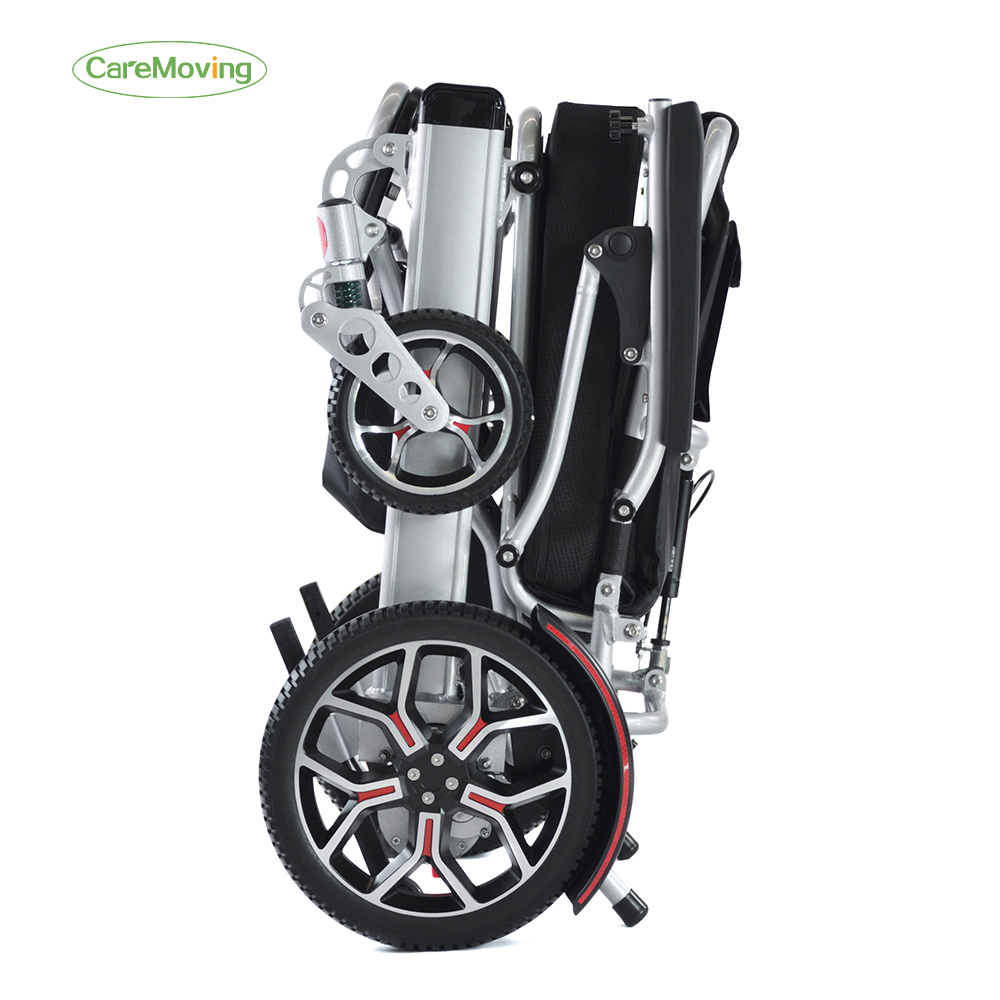
Understanding the technical specifications of ergonomic wheelchairs is essential for importers and distributors. Key specifications to review include:
Dimensions: Seat width, depth, and height are vital for user comfort. Ensure the dimensions cater to the target demographic and comply with accessibility standards.
Material Quality: The frame and upholstery materials should be durable yet lightweight. Common materials include aluminum for frames and breathable fabrics for seating. Assessing the material's resistance to wear and tear is crucial for long-term use.
Wheel Type: Wheel size and type (e. g., solid or pneumatic) affect maneuverability and ride quality. Buyers should consider the intended usage environment—indoor or outdoor—to select the appropriate wheel type.
Battery Capacity (for Electric Models): For electric ergonomic wheelchairs, battery capacity directly impacts range and performance. Understanding the average distance a wheelchair can cover on a single charge is important for potential users.
Certification Compliance: Ensure that the products meet relevant certifications such as ISO 13485, FDA, and CE. These certifications indicate adherence to safety and quality standards, which can influence purchasing decisions.
Familiarity with these specifications will enable buyers to evaluate options effectively and choose products that align with market demands.
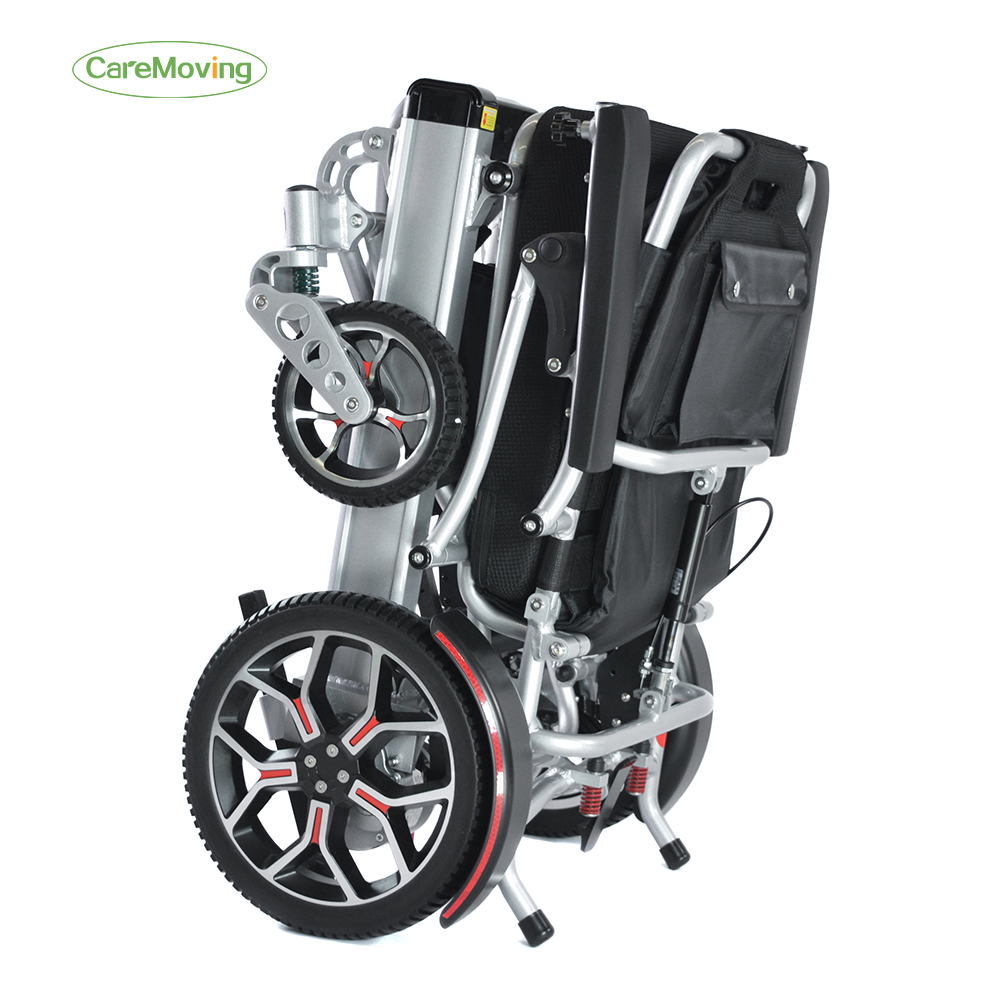
Quality evaluation is a critical step in the procurement process. Here are practical steps to assess the quality of ergonomic wheelchairs:
Sample Approval: Before committing to a large order, obtain samples for testing. This allows evaluation of comfort, durability, and functionality. Check for smooth operational features, like easy folding mechanisms and braking systems.
Material Inspection: Inspect the materials used for both the frame and upholstery. Look for signs of quality such as stitching integrity, frame welds, and overall finish. High-quality materials will enhance durability and user satisfaction.
User Testing: If possible, conduct user testing with a sample group. Gathering feedback from actual users can reveal insights into comfort, usability, and overall satisfaction.
Manufacturer Reputation: Research the manufacturer's history, including their production capacity and quality control processes. A reputable manufacturer, like Nanjing CareMoving Rehabilitation Equipment Co., Ltd., with ISO 13485 and FDA certifications, is likely to produce reliable products.
Warranty and Support: Review the warranty terms offered by the supplier. A solid warranty indicates confidence in product quality and provides assurance for buyers regarding potential issues.
By following these steps, buyers can ensure they select high-quality folding wheelchair that meet their project requirements.
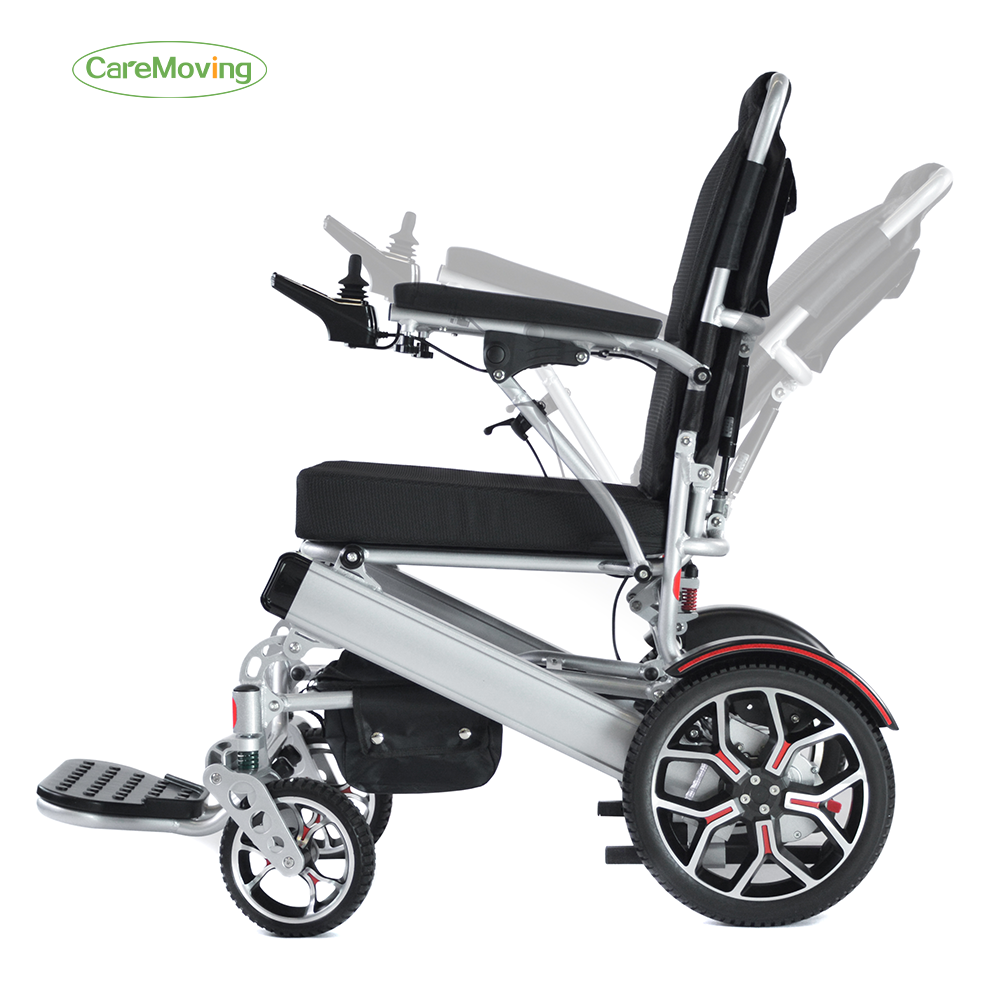
Finding reliable suppliers of ergonomic wheelchairs can significantly impact the success of your business. Here are effective strategies:
Industry Trade Shows: Attending trade shows dedicated to rehabilitation and mobility products allows buyers to meet manufacturers, evaluate products firsthand, and discuss customization options directly.
Online Marketplaces: Platforms specializing in B2B transactions can provide access to various suppliers. Ensure to verify supplier credentials and read reviews from previous customers.
Networking: Engaging with industry professionals through forums or associations can lead to recommendations for reputable manufacturers. Building relationships within the industry can also provide insights into supplier reliability.
Certifications and Compliance: Ensure suppliers possess necessary certifications, such as ISO 13485 and FDA approvals, which indicate adherence to quality and safety standards.
Direct Manufacturer Relationships: Establishing direct relationships with manufacturers like Nanjing CareMoving can enhance communication and customization capabilities while potentially lowering costs.
By leveraging these strategies, buyers can identify trustworthy suppliers and build long-term partnerships that support their business objectives.
Nanjing CareMoving Rehabilitation Equipment Co. Ltd is located in Nanjing, China. It is a Light wheelchair that integrates trade and industry, specializing in the production and distribution of electric wheelchairs and mobility scooters for the elderly, with an annual production capacity of 1200 units. Our factory has ISO 13485, FDA, MDR CE, UKCA, and RoHS certifications.
Our Electric wheelchair to quality does not end with sales Our comprehensive after-sales assistance ensures an efficient installation and operation Our professional team is committed to solving any problems swiftly and effectively We believe that we are able to provide an efficient and long-lasting solution to your hardware requirements We provide Stable Quality and Delivery Times
Our team is Foldable mobility scooter to providing you with best quality equipment. Every member of our team is committed to their work and accountable for the tasks they perform. We sincerely hope that our efforts and technology will result in better results for you. Our mass produced and developed products are tested using specialized equipment.
We are committed to making sure that customers feel comfortable in our company and provide outstanding pre-sales assistance. Our company offers OEM and Foldable mobility scooter services and we offer free samples of high-quality dealers that are industry-leading. Our experienced team is at hand to answer your queries and promptly respond to your requirements, supporting you and in partnership with you to discover the ideal solution for your requirements.

With modern and green as our product concept,CareMoving is committed to become a globally recognized supplier of electric wheelchairs and senior mobility scooters,providing win-win cooperation solutions for our overseas customers,as well as providing the best products for our users. --Care Life,Moving Easy--
Room 8701&8707, Building A4, No.128 Jiangjun Avenue, Nanjing, China.
Copyright © Nanjing CareMoving Rehabilitation Equipment Co.,Ltd All Rights Reserved- Privacy Policy- Blog

 EN
 AR
 BG
 HR
 CS
 DA
 NL
 FI
 FR
 DE
 EL
 IT
 JA
 KO
 NO
 PL
 PT
 RO
 RU
 ES
 SV
 TL
 IW
 LV
 LT
 SR
 SK
 SL
 UK
 VI
 ET
 HU
 MT
 TH
 TR
 FA
 MS
 GA
 CY
 IS


