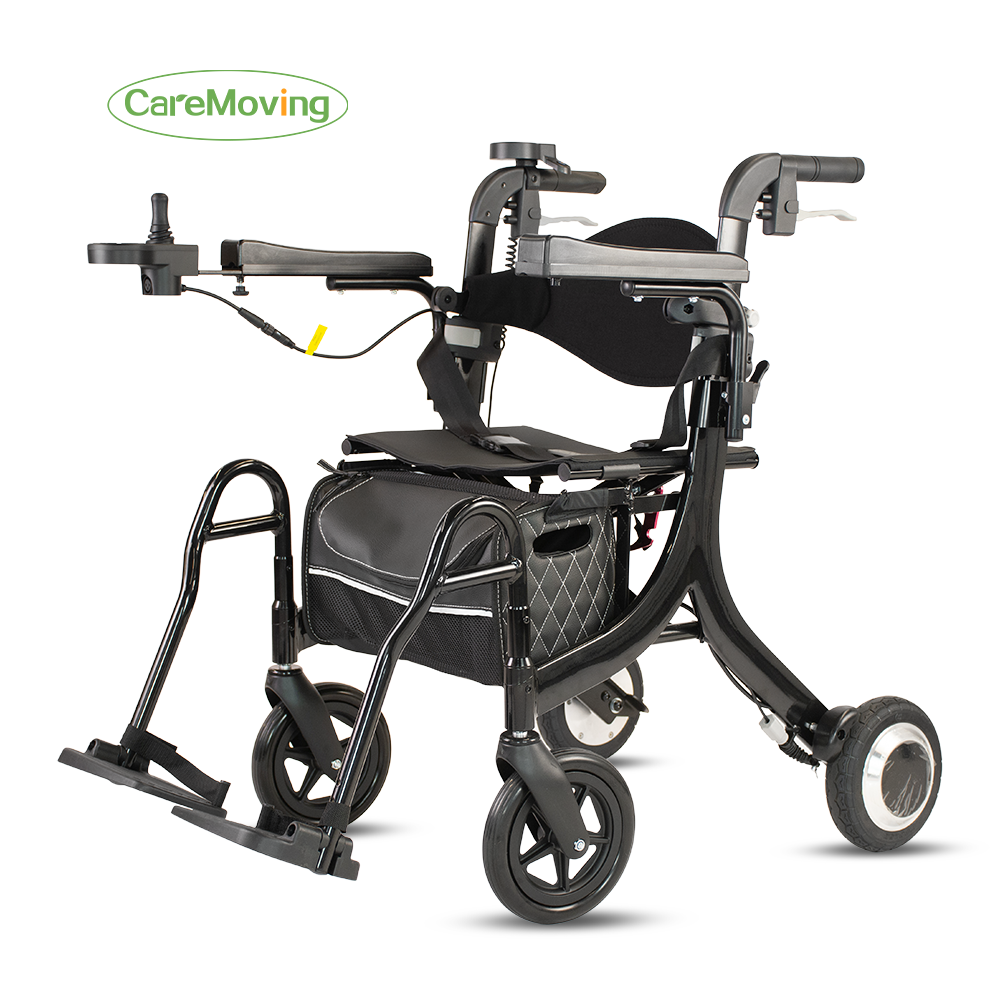
Rigid wheelchairs are essential mobility aids designed for individuals with limited movement capabilities. They are characterized by their sturdy frames and lack of folding mechanisms, making them ideal for certain environments and user needs. As a B2B buyer, understanding the specifications, quality standards, and application scenarios of rigid wheelchairs is crucial. This article will guide you through key considerations for bulk purchases, helping you make informed decisions that meet your project's requirements.
When purchasing rigid wheelchairs, several specifications should be considered to ensure they meet operational needs. Key specifications include:
Weight Capacity: Each model has a defined weight limit, typically ranging from 250 to 350 pounds. It's essential to select a wheelchair that can comfortably accommodate the intended users without compromising safety or durability.
Frame Material: Rigid wheelchairs are commonly made from aluminum or steel. Aluminum frames are lightweight and resistant to corrosion, making them suitable for portable use, while steel frames offer enhanced strength and durability, ideal for more stationary applications.
Seat Width and Depth: These dimensions should be tailored to the user's comfort and support. Standard seat widths range from 16 to 20 inches, and customizations may be available for specific needs.
Wheel Size: The size of the wheels can influence maneuverability and stability. Larger rear wheels are better for outdoor terrain, while smaller wheels are more suited for indoor use.
Customization Options: Many manufacturers, including Nanjing CareMoving, offer customization capabilities to meet specific buyer requirements, such as adjustable footrests, armrests, or seating materials. For instance, the Caremoving Electric Mobility Scooter Elderly Airport Mobility Scooter Taiwan 4 Wheel Electric Handicap-Scooter provides different customization options to enhance user comfort.
Understanding these specifications will enable you to make bulk purchases that align with user needs and application contexts.
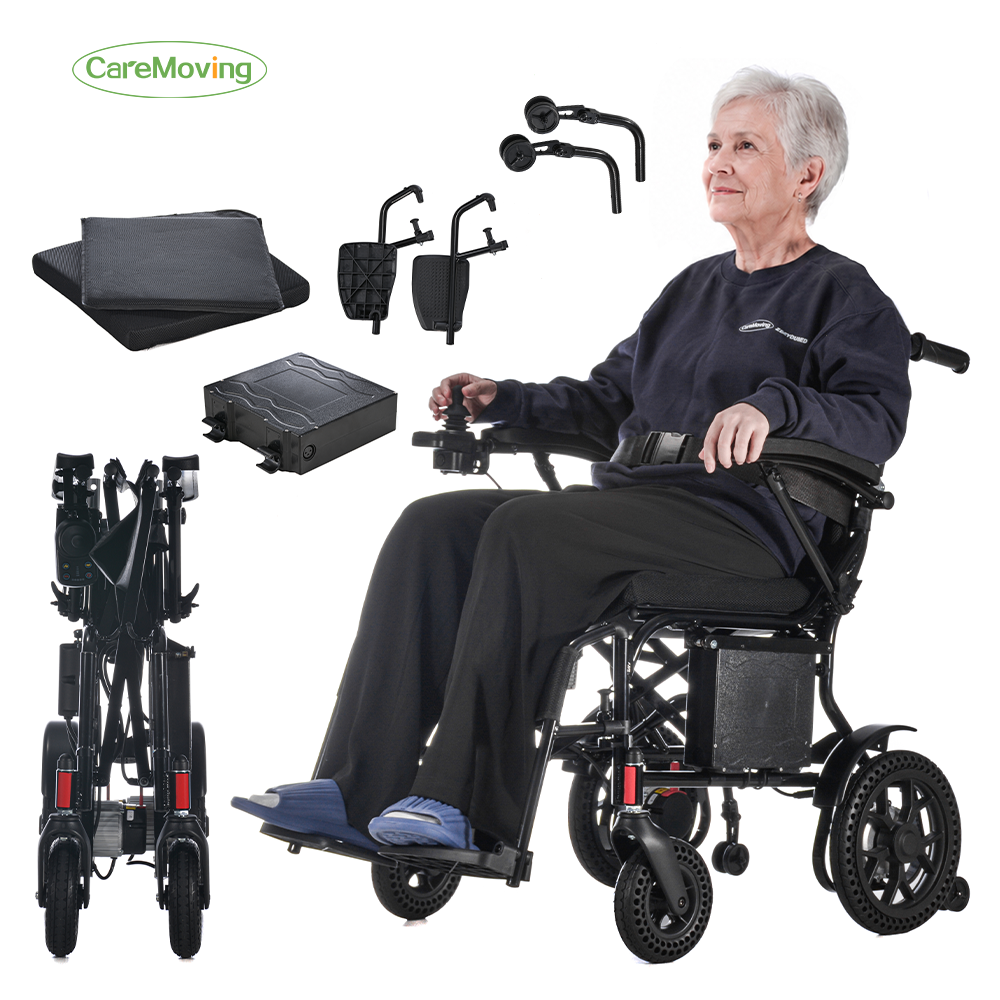
Choosing the right rigid wheelchair requires a thorough assessment of project needs and user requirements. Start by evaluating:
User Profile: Understand the demographics of the intended users, including their physical conditions and mobility challenges. This will help in selecting appropriate features, such as seat height and support mechanisms.
Intended Use: Consider where the wheelchair will primarily be used. For example, a wheelchair designed for indoor environments may prioritize maneuverability and compact dimensions, while one intended for outdoor use may require robust wheels and a durable frame.
Durability and Maintenance: Evaluate how frequently the wheelchairs will be used and the maintenance required. Durable models may incur higher upfront costs but can reduce long-term expenses associated with repairs and replacements.
Regulatory Compliance: Ensure that the rigid wheelchairs comply with relevant standards and certifications, such as ISO 13485 and FDA regulations, to guarantee quality and safety.
Budget Considerations: Understand the total cost of ownership, including initial purchase price, maintenance, and potential customization costs. Setting a clear budget will help narrow down options effectively.
By carefully considering these factors, you can select rigid wheelchairs that best fit your project needs and enhance user experience.
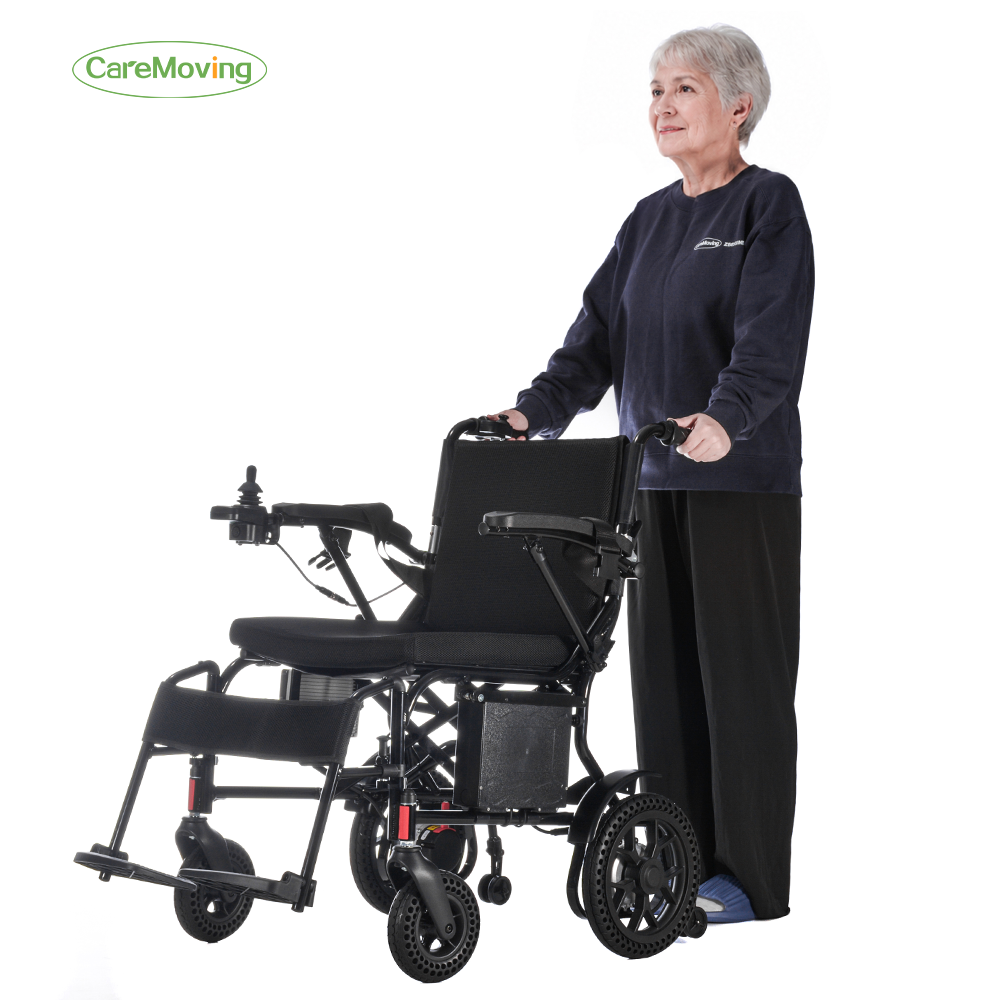
Quality control is paramount in the manufacturing of rigid wheelchairs. To ensure that the products meet safety and performance standards, consider the following quality control aspects:
Certification Verification: Check for relevant certifications like ISO 13485, FDA, and MDR CE. These certifications indicate that the manufacturer adheres to international safety and quality standards.
Inspection Processes: Manufacturers should have comprehensive inspection processes in place. This includes raw material inspections, in-process checks during production, and final product testing. Understanding these processes can provide insight into the reliability of the products.
Supplier Audits: Conducting supplier audits can help verify the quality control measures in place. This may involve reviewing audit reports and assessing the manufacturing facilities to ensure they maintain high standards.
Customer Feedback: Look for reviews or testimonials from other buyers regarding the performance and durability of the wheelchairs. This firsthand feedback can highlight potential quality issues and provide assurance of product reliability.
After-Sales Support: Evaluate the manufacturer’s after-sales support, including warranty terms and service options. A strong support system can mitigate risks associated with defective products or maintenance needs.
By focusing on these quality control standards, you can ensure that the rigid wheelchairs you purchase meet both safety and performance expectations.
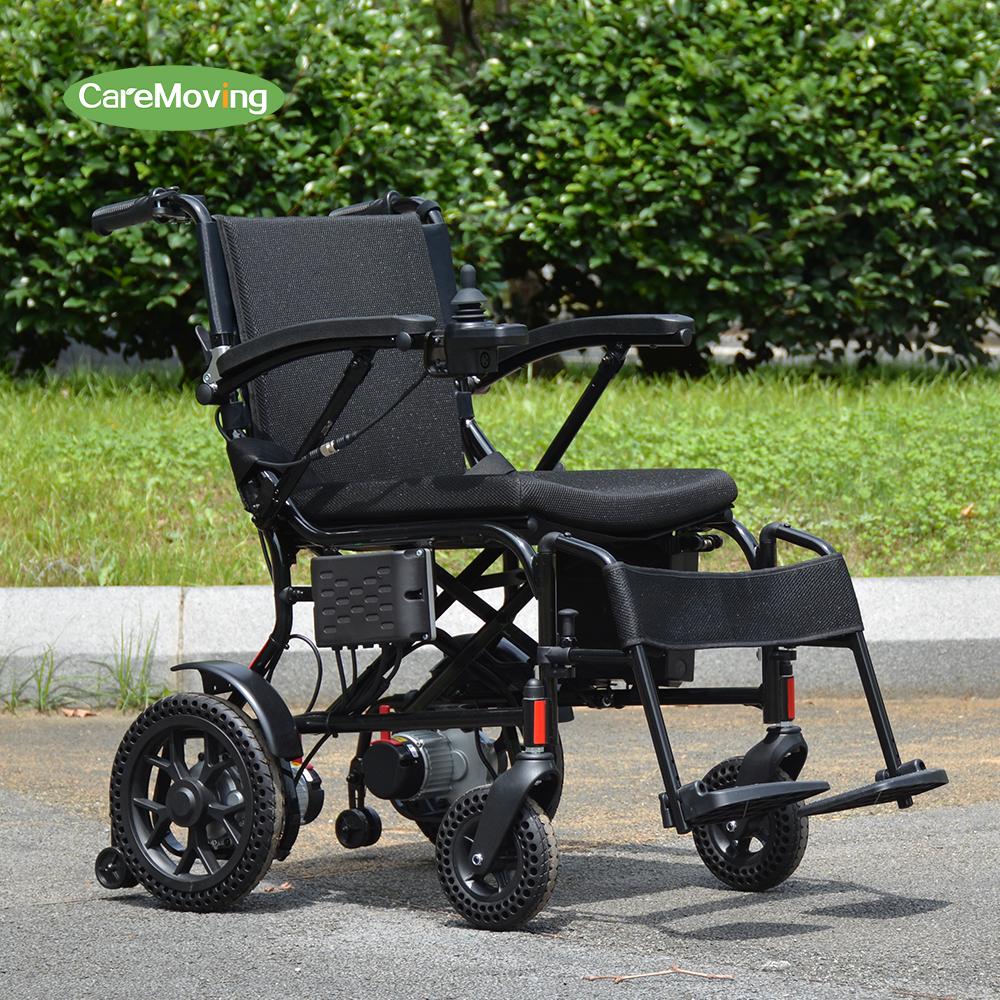
Rigid wheelchairs, while generally reliable, can encounter some common issues. Being aware of these problems and potential solutions can aid in effective maintenance and user satisfaction:
Wheel Misalignment: Over time, the wheels can become misaligned, leading to uneven handling. Regular inspections and adjustments can mitigate this issue. Buyers should ensure that any supplier provides guidance on maintenance to prevent misalignment.
Wear and Tear on Parts: Common components such as footrests and armrests may experience wear. Routine checks and the availability of spare parts from the manufacturer can prolong the life of the wheelchair. For example, accessing spare parts for the Lightest Electric Wheelchair Foldable Power Motorized Wheelchair CMD02 can be crucial for maintaining its performance.
Comfort Issues: Users may find the seating uncomfortable after prolonged use. Opting for customizable seating options or additional cushioning can enhance comfort levels. It’s advisable to test a sample before mass purchasing to ensure user satisfaction.
Brake Failure: The braking system is critical for safety. Regular maintenance checks should include brake functionality. Ensure that the manufacturer provides clear instructions on how to perform these checks.
Weight Capacity Exceedance: Using a wheelchair beyond its weight capacity can lead to frame failure. It’s crucial to educate users on the specifications and limitations of the wheelchair to avoid such scenarios.
Being proactive about these common issues can enhance the usability and longevity of rigid wheelchairs in various settings.
Our dedication to quality does not stop with the sale. We offer an extensive after-sales service to ensure the smooth installation and operation of your hardware devices. Our team of Wheelchair rentals is dedicated to resolving issues swiftly and efficiently. We're sure that we will provide a long-lasting and reliable solution for your hardware requirements. Also, we have stable quality and Delivery time
We Powerchair wheelchair the customer's experience with us and offer excellent pre-sales services Our company offers OEM andODM services and free samples for high-quality dealers that are industry-leading Our team of experts is at hand to answer your queries and quickly respond to your requirements supporting you and in partnership with you to discover the ideal solution for your requirements
Nanjing CareMoving Rehabilitation Equipment Co. Ltd situated in Nanjing (China), is a firm that integrates industry and trade. It is a company that integrates industry and trade with a focus on the Foldable mobility scooter and export of electric wheelchairs and elderly mobility scooters. The company has a monthly production of 1200 units. Our factory is ISO 13485 certified, FDA, MDR CE and UKCA.
Our team is committed to providing you with the top quality equipment. Each Motorized wheel chairs of the team is committed to their work and accountable for each task they complete. Our expertise and technology can hopefully yield greater results. Our designed and mass-produced products are tested on specially designed equipment.

With modern and green as our product concept,CareMoving is committed to become a globally recognized supplier of electric wheelchairs and senior mobility scooters,providing win-win cooperation solutions for our overseas customers,as well as providing the best products for our users. --Care Life,Moving Easy--
Room 8701&8707, Building A4, No.128 Jiangjun Avenue, Nanjing, China.
Copyright © Nanjing CareMoving Rehabilitation Equipment Co.,Ltd All Rights Reserved- Privacy Policy- Blog

 EN
 AR
 BG
 HR
 CS
 DA
 NL
 FI
 FR
 DE
 EL
 IT
 JA
 KO
 NO
 PL
 PT
 RO
 RU
 ES
 SV
 TL
 IW
 LV
 LT
 SR
 SK
 SL
 UK
 VI
 ET
 HU
 MT
 TH
 TR
 FA
 MS
 GA
 CY
 IS