Understanding the cost of wheelchairs is crucial for B2B buyers in the healthcare and rehabilitation sectors. When considering wheelchair cost, factors such as materials, manufacturing processes, and supplier reliability play a significant role. This article will provide insights into the factors influencing wheelchair costs, how to choose the right supplier, a breakdown of costs for bulk orders, common purchasing issues, and the applications of lightest electric wheelchair across various industries.
Several key factors impact the cost of wheelchairs, especially for wholesale buyers.
Materials and Components: The choice of materials significantly affects pricing. For example, wheelchairs made from lightweight aluminum may be more expensive than those made from steel. Additionally, components like batteries for electric wheelchairs can vary in cost based on quality and capacity.
Design and Customization: Custom-designed wheelchairs tailored to specific user needs can increase costs. Factors such as adjustable features, ergonomic designs, and specific color requirements can elevate the price.
Production Scale: Manufacturers often provide cost savings for bulk orders. The more units ordered, the lower the per-unit cost due to economies of scale in production.
Certifications and Compliance: Wheelchairs must meet various safety and quality standards, such as ISO 13485 and FDA regulations. Compliance with these standards can add to the manufacturing costs, which may be reflected in the pricing.
Supply Chain and Logistics: Shipping costs, tariffs, and handling fees can influence the final price of electric wheelchair cost imported from manufacturers. Buyers should account for these additional expenses when evaluating costs.
Understanding these factors helps buyers make informed decisions and negotiate effectively with suppliers.
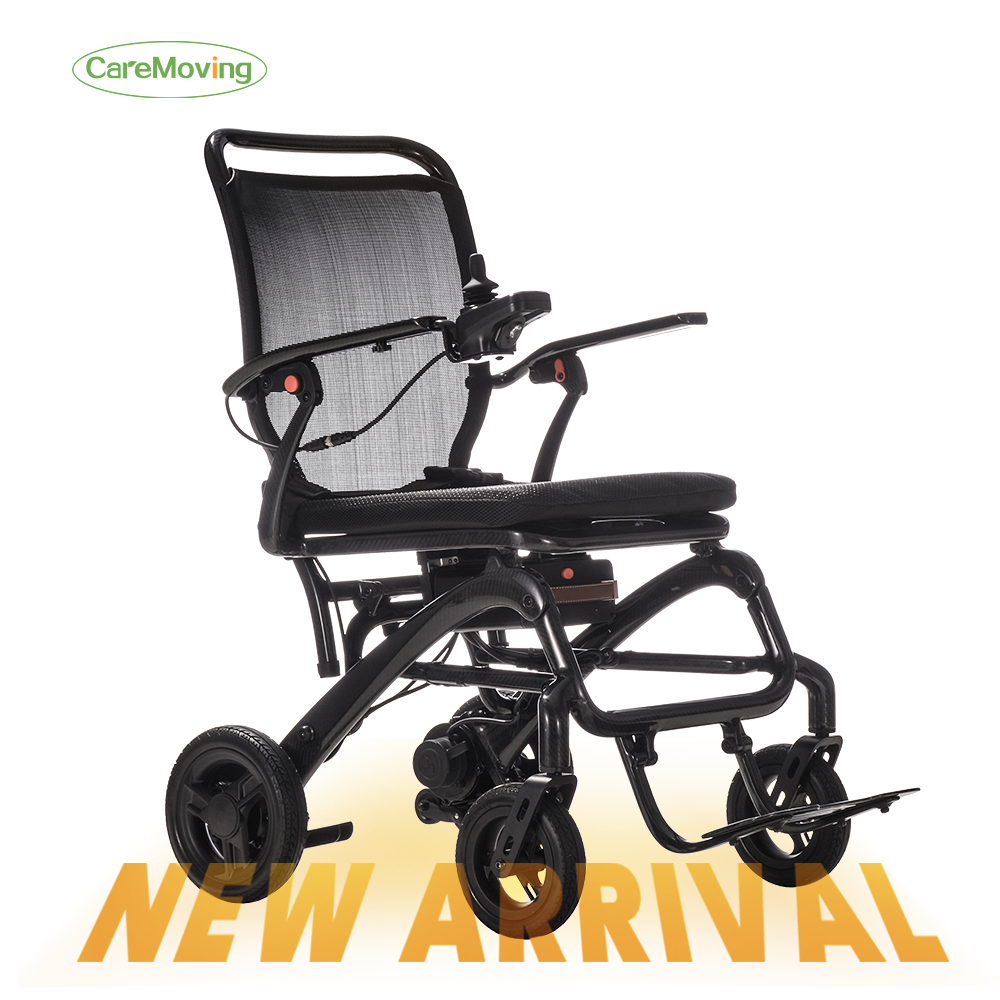
Selecting the right wheelchair supplier is critical for ensuring quality, reliability, and value. Here are some essential considerations:
Manufacturing Capability: Assess the supplier's production capacity and capabilities. For instance, Nanjing CareMoving Rehabilitation Equipment Co., Ltd. has a monthly production capacity of 2,000 wheelchairs, which indicates they can handle large orders efficiently.
Certifications and Quality Control: Verify that the supplier holds relevant certifications, such as ISO 13485 and RoHS. These certifications demonstrate adherence to quality standards. Additionally, inquire about their quality control processes to ensure consistent product quality.
Customization Options: Determine if the supplier can accommodate custom designs and specifications. A manufacturer that offers flexible customization can better meet unique client needs.
Experience and Reputation: Research the supplier’s experience in the industry. A reputable supplier with a history of successful partnerships can provide confidence in their products and services.
Post-Sale Support: Evaluate the level of customer service and support offered. A supplier that provides training, warranty services, and responsive communication can significantly enhance the buyer experience.
By thoroughly evaluating potential suppliers based on these criteria, buyers can ensure they choose a partner that aligns with their needs and expectations.
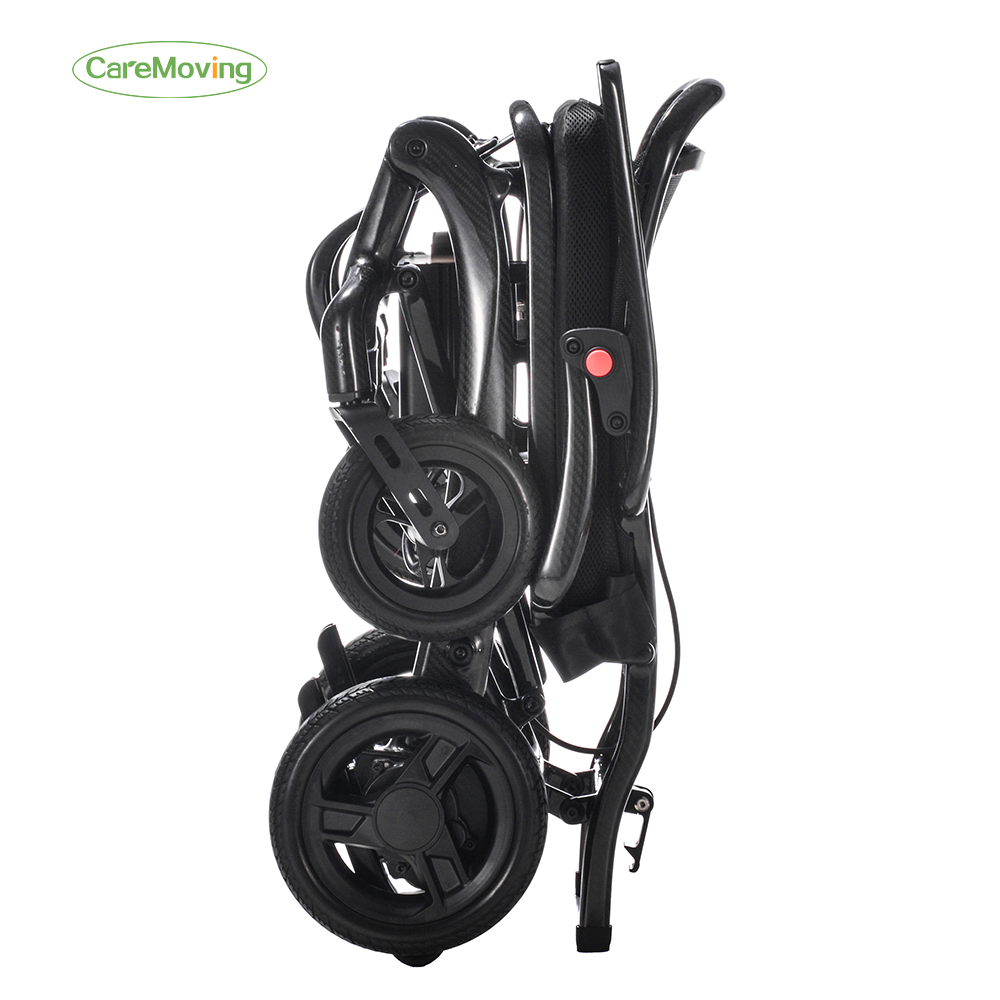
When placing bulk orders for Nanjing CareMoving wheelchairs, understanding the cost breakdown is essential for budgeting and financial planning. Here’s how costs typically break down:
Base Cost of the Wheelchair: This includes the basic manufacturing cost, which varies based on materials and components. For example, the cost of electric wheelchairs will include the price of the battery and motor.
Customization Fees: If custom features are required, additional fees may apply. This could include tailored dimensions, specific materials, or unique designs.
Shipping and Handling: Depending on the volume of the order and the delivery location, shipping costs can vary. It’s important to factor in these costs to avoid budget overruns.
Tariffs and Taxes: If importing lightweight foldable electric wheelchair, buyers should be aware of any tariffs or import taxes that may apply. These can significantly affect the final cost.
Warranty and Service Costs: Consider any warranty or service agreements that may be included or required. This can impact the overall cost but is crucial for ensuring product reliability.
By understanding these cost components, buyers can better assess their budgets and make informed purchasing decisions.
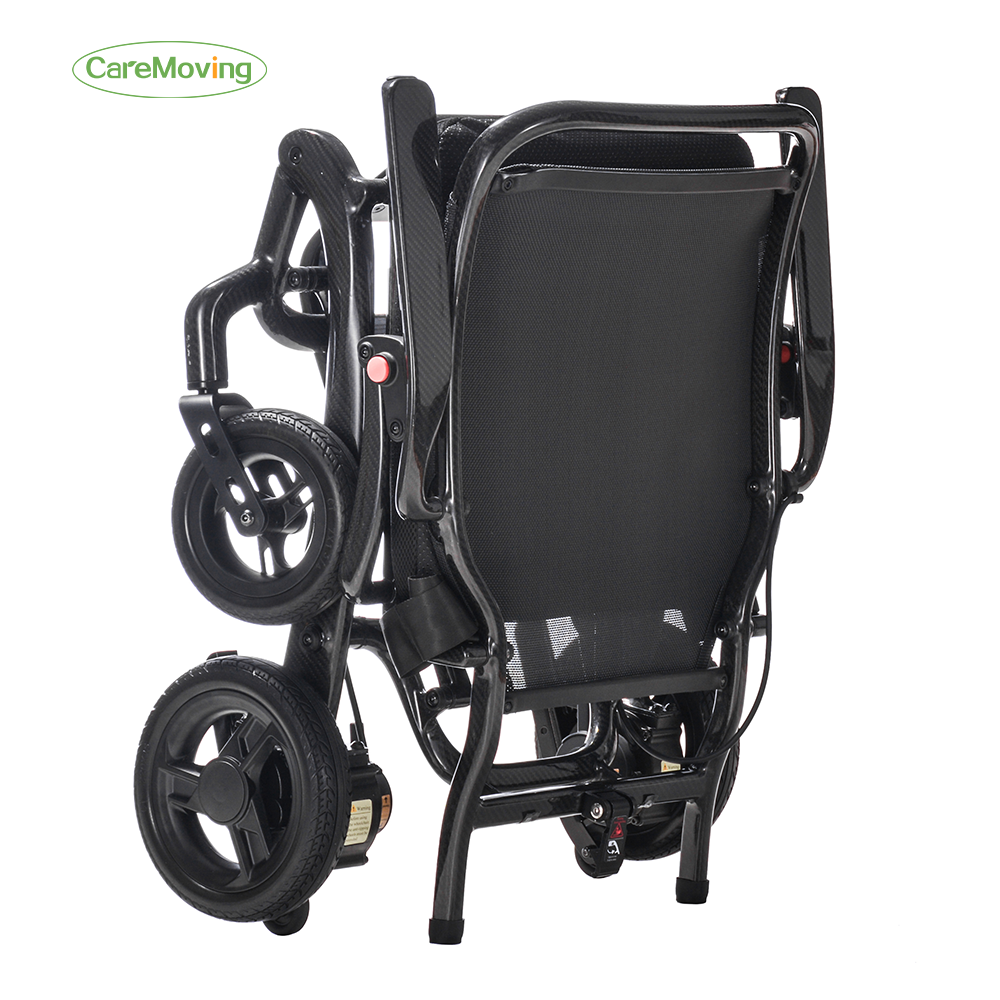
While purchasing Nanjing CareMoving wheelchairs, buyers may encounter several common challenges. Here are some issues and their potential solutions:
Quality Discrepancies: Sometimes, the quality of the delivered product may not match the expected standards. To mitigate this, buyers should ensure thorough quality inspections are performed before accepting shipments. Requesting samples for approval prior to mass production can also help verify quality.
Incorrect Specifications: Miscommunication regarding specifications can lead to receiving the wrong product. To avoid this, provide clear and detailed specifications during the ordering process and confirm them with the supplier.
Delivery Delays: Delays can occur due to various factors, including supply chain disruptions. Buyers should discuss lead times and potential delays upfront with suppliers and consider including penalties for late deliveries in contracts.
Inadequate Technical Support: Some suppliers may not provide sufficient technical support for their products. Buyers should inquire about post-sale support services, including training and troubleshooting assistance, before finalizing their orders.
Inflexibility in Customization: Not all suppliers offer flexible customization options. Buyers should assess a supplier’s ability to accommodate specific needs and preferences to ensure the final product meets their requirements.
By anticipating these common problems and discussing them with suppliers, buyers can foster smoother transactions and healthier supplier relationships.
Nanjing CareMoving Rehabilitation Equipment Co. Ltd is located in Nanjing (China), is a firm that integrates Electric wheelchair and trade. It is a business that integrates trade and industry, specializing in the production and distribution of electric wheelchairs and elderly mobility scooters, with a monthly production of 1200 units. Our factory has ISO 13485, FDA, MDR CE, UKCA, and RoHS certifications.
We at our company value customer experience and strive to provide the best pre-sales support. Our company offers Light wheelchair and ODM services, we have no-cost samples for dealers who are of the highest quality who are in the business. Our expert team is always ready to answer your questions and respond promptly to your needs, aiding you and working with you to find the best solution to your needs.
Our dedication to quality does not end when we sell our products. Our extensive after-sales support ensures seamless installation and operation. Our expert team is committed to resolving issues swiftly and efficiently. We're confident that we can provide a Light wheelchair and reliable solution for your hardware requirements. We provide Stable Quality and delivery times
Our team is committed to providing the best quality machines. Every employee does their job with dedication, and is accountable for their task. We are confident that our technology and efforts will yield better results. Our manufactured and developed products are tested on specially designed Wheelchair.

With modern and green as our product concept,CareMoving is committed to become a globally recognized supplier of electric wheelchairs and senior mobility scooters,providing win-win cooperation solutions for our overseas customers,as well as providing the best products for our users. --Care Life,Moving Easy--
Room 8701&8707, Building A4, No.128 Jiangjun Avenue, Nanjing, China.
Copyright © Nanjing CareMoving Rehabilitation Equipment Co.,Ltd All Rights Reserved- Privacy Policy- Blog

 EN
 AR
 BG
 HR
 CS
 DA
 NL
 FI
 FR
 DE
 EL
 IT
 JA
 KO
 NO
 PL
 PT
 RO
 RU
 ES
 SV
 TL
 IW
 LV
 LT
 SR
 SK
 SL
 UK
 VI
 ET
 HU
 MT
 TH
 TR
 FA
 MS
 GA
 CY
 IS


