When considering a wheelchair elevator for home use, buyers face a variety of concerns, including safety, durability, and compatibility with existing structures. These elevators provide essential mobility solutions for individuals with limited mobility, allowing for seamless access between different floors of a home. This article will explore the critical factors to consider when selecting a wheelchair elevator, how to evaluate its quality, key specifications for residential applications, cost factors for wholesale sourcing, and installation guidelines for home settings.
Selecting the right wheelchair elevator for home use involves several key considerations. First, assess the specific needs of the user. Factors such as weight capacity, speed of operation, and ease of use are crucial. Evaluate the available space in the home to determine the type of elevator that will fit comfortably whether a vertical lift, inclined platform, or another type.
Next, consider safety features. Elevators should come equipped with emergency stop buttons, sensors to detect obstructions, and safety locks to prevent accidental movement. Compliance with local building codes and safety regulations is also essential; verify that the elevator meets the necessary standards for residential use.
Finally, assess the elevator's energy efficiency. An energy-efficient model can reduce operating costs over time and benefit the environment. Investigating the manufacturer's certifications, such as ISO 13485, can provide assurance of the product's quality and safety standards.
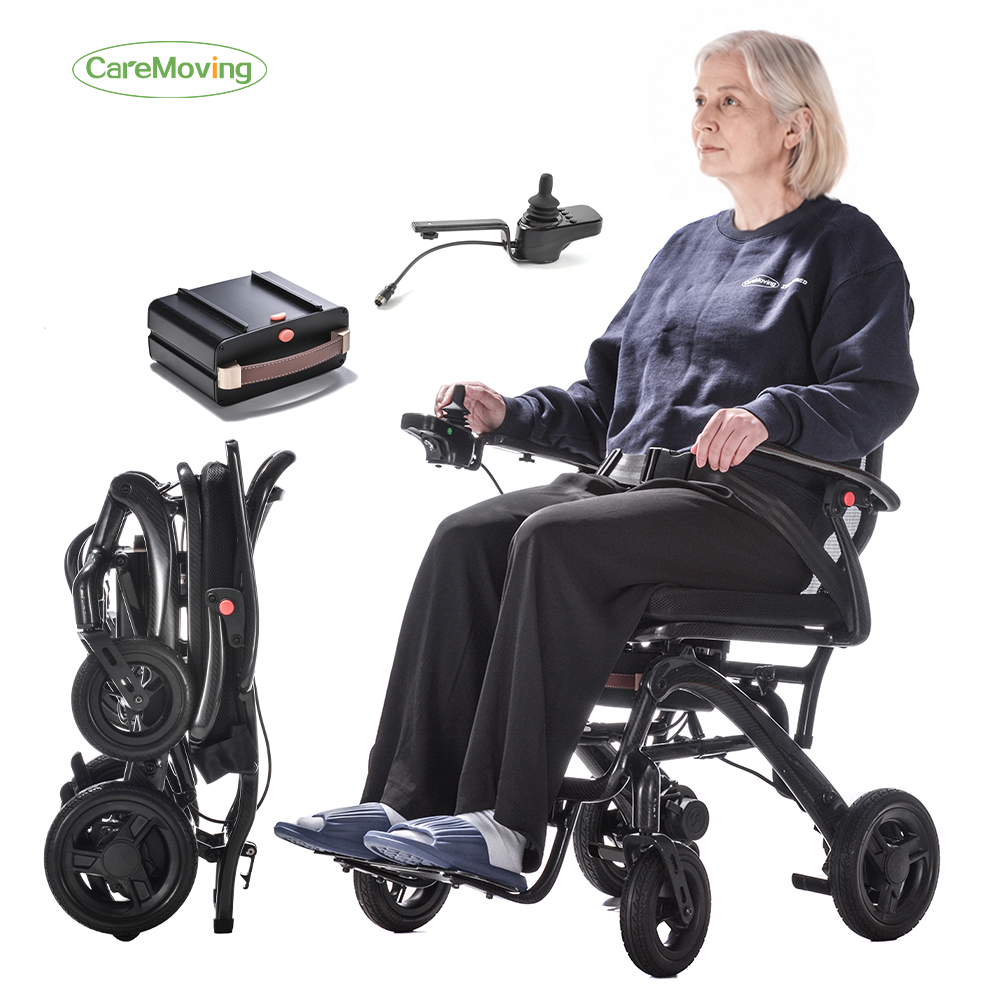
Quality evaluation of wheelchair elevators starts with examining the materials used in construction. High-grade steel and aluminum are commonly favored for their strength and durability. Look for elevators with corrosion-resistant finishes to ensure longevity, especially in moist environments.
Inspect the manufacturing process as well. A reputable manufacturer will have rigorous quality control processes in place. For example, CareMoving Rehabilitation Equipment Co., Ltd. employs strict quality checks and adheres to international certifications like FDA and MDR CE, ensuring that each product meets high standards before reaching the consumer.
Performing a thorough inspection of the elevator prototype or sample is also advisable. Check for smooth operation, noise levels, and overall construction quality. If possible, request references or case studies from previous installations to understand how the elevator performed over time in real-world applications.
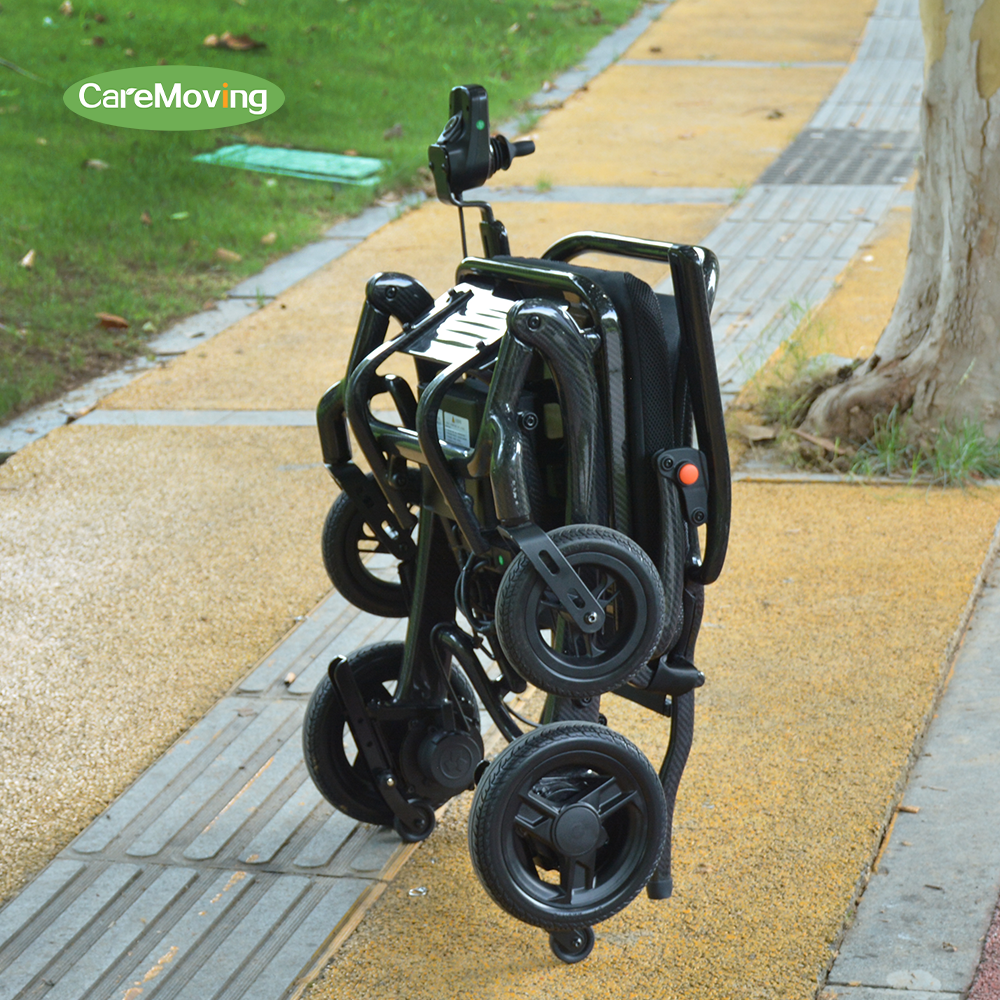
When specifying a wheelchair elevator for residential use, several technical parameters must be addressed. The first is the load capacity, which should be sufficient to accommodate the intended users and any additional equipment or mobility aids. Common specifications for residential elevators range from 350 to 1,000 pounds.
Dimensions are equally important. The elevator should have an appropriate platform size that meets the needs of the user while fitting within the available space. Most residential models have platform dimensions ranging from 36 to 54 inches wide.
Additionally, consider the height range of the elevator. Ensure that it can reach all required levels within the home. Some models offer adjustable height settings, which can accommodate various home designs.
Lastly, evaluate the drive mechanism. Options include hydraulic, screw-driven, and cable-driven systems. Each has its own advantages and disadvantages in terms of cost, maintenance, and operational noise.
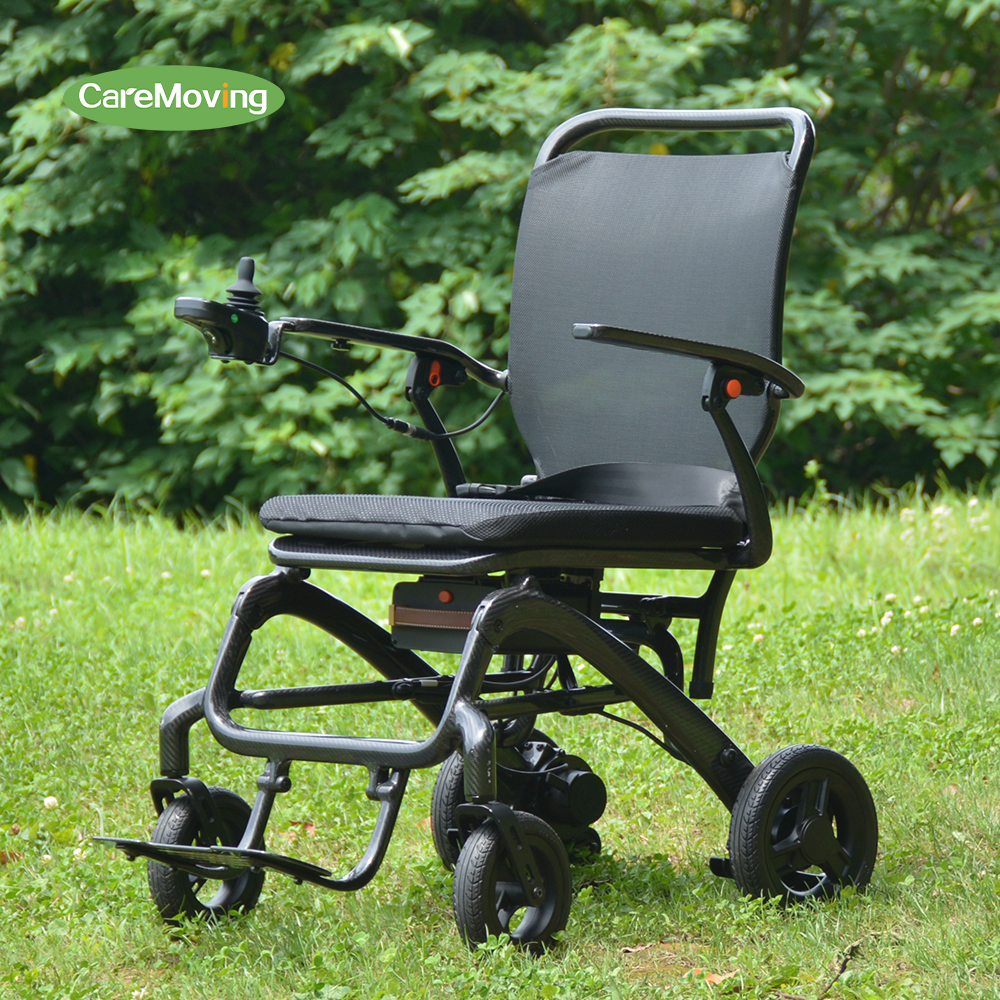
When sourcing wheelchair elevators wholesale, buyers must consider various cost factors. The initial purchase price can vary significantly based on the model, specifications, and additional features. While lower-priced models may be tempting, they often come at the cost of quality and reliability. It's crucial to balance upfront costs with long-term value.
Shipping and installation costs should also be included in the budget. Elevators may require specialized installation, which can add to overall expenses. It's advisable to inquire about package deals that include installation services, as this can simplify the purchasing process.
Additionally, consider ongoing maintenance costs. Regular inspections and service are necessary to keep the elevator functioning correctly and safely. Some manufacturers offer maintenance packages that can help reduce long-term costs.
Lastly, be aware of any applicable taxes or tariffs, especially if sourcing from international suppliers. Understanding the total landed cost will help in making an informed purchasing decision.
Our team is committed to providing the best quality machines. Every employee does their job with dedication, and is accountable for their task. We are confident that our technology and efforts will yield better results. Our manufactured and developed products are tested on specially designed Electric wheelchair.
We don't stop with sales. Our comprehensive after-sales assistance ensures an efficient installation and operation. Our team of experts is dedicated to solving any issue quickly and effectively. We believe we can provide an efficient and long-lasting solution to your Mobility scooter needs. We offer Stable Quality Timelines for Delivery
We at our Wheel chair price believe in customer satisfaction and aim to offer the highest quality pre-sales customer service Our company provides OEM ODM services we have free samples available for high-quality dealers within the market Our experienced team is ready to answer your questions and respond quickly to your needs aiding you and working with you to find the best solution to your requirements
Nanjing CareMoving Rehabilitation Equipment Co. Ltd situated in Nanjing (China), is a business that combines Wheel chair price and industry. It is a company that combines trade and industry that specializes in the production and distribution of electric wheelchairs and elderly mobility scooters. The company has an annual production capacity of 1200 units. Our factory is ISO 13485 certified, FDA, MDR CE and UKCA.

With modern and green as our product concept,CareMoving is committed to become a globally recognized supplier of electric wheelchairs and senior mobility scooters,providing win-win cooperation solutions for our overseas customers,as well as providing the best products for our users. --Care Life,Moving Easy--
Room 8701&8707, Building A4, No.128 Jiangjun Avenue, Nanjing, China.
Copyright © Nanjing CareMoving Rehabilitation Equipment Co.,Ltd All Rights Reserved- Privacy Policy- Blog

 EN
 AR
 BG
 HR
 CS
 DA
 NL
 FI
 FR
 DE
 EL
 IT
 JA
 KO
 NO
 PL
 PT
 RO
 RU
 ES
 SV
 TL
 IW
 LV
 LT
 SR
 SK
 SL
 UK
 VI
 ET
 HU
 MT
 TH
 TR
 FA
 MS
 GA
 CY
 IS

