
 EN
EN
 AR
AR
 BG
BG
 HR
HR
 CS
CS
 DA
DA
 NL
NL
 FI
FI
 FR
FR
 DE
DE
 EL
EL
 IT
IT
 JA
JA
 KO
KO
 NO
NO
 PL
PL
 PT
PT
 RO
RO
 RU
RU
 ES
ES
 SV
SV
 TL
TL
 IW
IW
 LV
LV
 LT
LT
 SR
SR
 SK
SK
 SL
SL
 UK
UK
 VI
VI
 ET
ET
 HU
HU
 MT
MT
 TH
TH
 TR
TR
 FA
FA
 MS
MS
 GA
GA
 CY
CY
 IS
IS

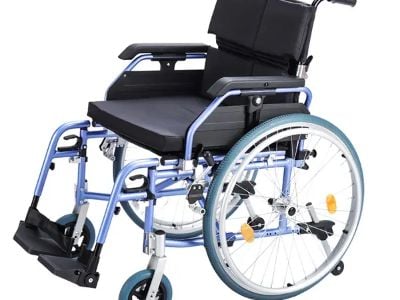
Understanding the factors that determine the folding size of electric wheelchairs is crucial for purchasing managers and distributors in the mobility aid sector. Foldable electric wheelchair are designed for convenience and portability, but their dimensions can significantly affect usability, storage, and transport. This article will explore the specifications to consider, quality control measures, cost implications, installation guidance, and the various applications associated with different folding sizes, helping you make informed decisions in your procurement process.
Specifications to Consider for Folding Electric Wheelchair Dimensions
When evaluating the folding size of electric wheelchairs, several specifications should be considered to ensure that the product meets user needs. Key dimensions include the overall width, height, and length when folded and unfolded.
Overall Dimensions: The width, height, and length of the wheelchair in both its active and folded states affect its maneuverability and storage. For example, a narrower wheelchair may be more suitable for indoor use or navigating through tight spaces.
Seat Height and Width: These measurements are critical for user comfort and accessibility. They should accommodate a wide range of body types while ensuring ease of transfer in and out of the chair.
Weight Capacity: The maximum load capacity is essential for ensuring safety during use. It is also important to consider the weight of the electric wheelchair itself, as a lighter model is generally easier to transport.
Folding Mechanism: The design of the folding mechanism affects the wheelchair's compactness. Some models feature a one-click fold or a manual folding process that may require more effort.
Material Composition: The materials used in the wheelchair frame and components can impact both weight and durability. For instance, aluminum frames are lightweight and rust-resistant, making them ideal for portable models.
Understanding these specifications helps ensure that the electric wheelchair chosen meets both the operational requirements and the user's comfort.
Quality Control Measures for Compact Electric Wheelchair Designs
Quality control is paramount when manufacturing foldable electric wheelchairs, as it directly influences safety and user satisfaction. At Nanjing CareMoving Rehabilitation Equipment Co., Ltd., we implement rigorous quality control measures throughout the manufacturing process.
Material Inspection: All materials undergo thorough inspections to ensure they meet required specifications. This includes checking for defects and confirming that they comply with safety standards.
Dimensional Accuracy Testing: We perform regular measurements on the components to ensure that all parts conform to the specified dimensions. This step is crucial to avoid issues during assembly and ensure proper folding.
Performance Testing: Each wheelchair is subjected to performance tests that simulate real-world conditions. This includes load tests to verify weight capacity and stress tests on the folding mechanism to ensure it operates smoothly over time.
Certification Compliance: All products must meet international certifications such as ISO 13485 and FDA standards, which verifies that our manufacturing processes adhere to stringent quality guidelines.
These measures not only enhance product reliability but also help build trust with buyers who are concerned about safety and durability in their purchasing decisions.
Cost Implications of Different Folding Sizes for Electric Wheelchairs
The folding size of electric wheelchairs can significantly impact cost, affecting both manufacturing and shipping expenses.
Material and Manufacturing Costs: Larger wheelchairs may require more materials, thus increasing the cost. However, advanced engineering designs that optimize material usage without sacrificing strength can help mitigate this.
Shipping Costs: The size of the folded power wheelchair affects shipping logistics. Smaller, more compact models typically incur lower shipping costs due to more efficient space utilization during transport.
Market Pricing: The demand for specific folding sizes can influence market pricing. Understanding the target audience's preferences, such as whether they prioritize compactness for travel or larger models for enhanced comfort, can guide cost assessments.
Customization Options: Custom features may add to the overall cost. Buyers should consider whether they need specific dimensions, materials, or additional functionalities, as these can impact the price.
By being aware of these cost implications, purchasing managers can make more informed decisions that align with budgetary constraints while still fulfilling user needs.
Installation Guidance for Optimal Use of Foldable Electric Wheelchairs
Proper installation and setup of foldable electric wheelchairs are critical for ensuring optimal performance and user safety. Here are key considerations:
User Manual: Always refer to the user manual for specific instructions on how to fold and unfold the wheelchair correctly. This will help prevent damage to the folding mechanism and ensure safe operation.
Regular Maintenance Checks: Conduct regular inspections of the folding mechanism, wheels, and brakes to ensure they are functioning correctly. Address any signs of wear early to prevent operational failures.
Proper Adjustment: Ensure that any adjustable components, such as seat height and armrests, are set according to the user's requirements. This is vital for comfort and usability, especially for individuals with specific mobility needs.
Training for Users and Caregivers: Providing training for users and caregivers on how to operate and maintain the wheelchair can significantly enhance safety and usability.
By following these installation and maintenance guidelines, buyers can maximize the lifespan and performance of their foldable electric wheelchairs.
Understanding Applications for Various Folding Sizes in Electric Wheelchairs
Different folding sizes cater to diverse applications, impacting where and how the wheelchairs are used.
Compact Models: Ideal for travel, compact wheelchairs are designed for easy transport in vehicles and public transport systems. Their smaller folded size makes them suitable for individuals who frequently travel.
Standard Models: These are suitable for everyday use, offering a balance between comfort and portability. They can accommodate a variety of user needs and are often preferred for indoor and outdoor use.
Enhanced Comfort Models: Larger models that may not fold as compactly are designed for users who prioritize comfort over portability. These are ideal for home use or long-term care environments where ease of transfer is essential.
Custom Applications: For specific applications, such as bariatric use or specialized medical needs, customized folding sizes may be necessary. Manufacturers can often provide tailored solutions to meet these unique requirements.
Understanding these applications helps buyers select the right folding size for their target market, ensuring that the products meet user expectations and functional requirements.
By focusing on these critical aspects of foldable electric wheelchair design and procurement, purchasing managers, distributors, and engineers can make informed decisions that align with their operational and market needs.
Table of Contents
- Specifications to Consider for Folding Electric Wheelchair Dimensions
- Quality Control Measures for Compact Electric Wheelchair Designs
- Cost Implications of Different Folding Sizes for Electric Wheelchairs
- Installation Guidance for Optimal Use of Foldable Electric Wheelchairs
- Understanding Applications for Various Folding Sizes in Electric Wheelchairs