
 EN
 AR
 BG
 HR
 CS
 DA
 NL
 FI
 FR
 DE
 EL
 IT
 JA
 KO
 NO
 PL
 PT
 RO
 RU
 ES
 SV
 TL
 IW
 LV
 LT
 SR
 SK
 SL
 UK
 VI
 ET
 HU
 MT
 TH
 TR
 FA
 MS
 GA
 CY
 IS

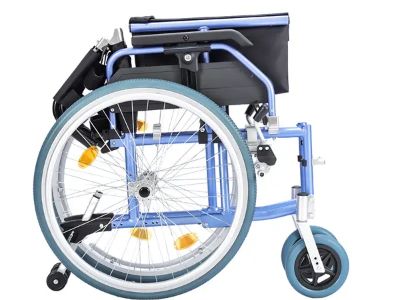
When considering the purchase of a foldable electric wheelchair, one critical aspect to evaluate is what determines its overall weight. The weight of these wheelchairs significantly impacts their portability, ease of use, and user comfort. As a B2B buyer whether you're a purchasing manager, distributor, or engineer—understanding the factors that influence weight is essential for making an informed decision. This article will delve into the key elements affecting the weight of foldable electric wheelchair, helping you choose the right model for your needs.
What Factors Influence the Weight of Foldable Electric Wheelchairs?
Several interrelated factors determine the overall weight of foldable electric wheelchairs, including materials, design, battery type, and technological features.
Materials: The choice of materials plays a pivotal role in the wheelchair's weight. For instance, wheelchairs made from lightweight aluminum or carbon fiber tend to be lighter than those made from heavier steel. Each material offers different benefits in terms of weight, durability, and cost.
Battery Type: The type and capacity of the battery also influence weight. Lithium-ion batteries, while more expensive, are lighter and often provide better performance compared to traditional lead-acid batteries. The battery capacity needed for specific usage scenarios can also dictate weight, as larger batteries add more weight.
Design and Features: The overall design, including the structure and additional features like motors or control systems, affects weight. A wheelchair designed with a focus on minimalism and essential functionalities will generally weigh less than one with numerous features.
Compliance and Safety Standards: Compliance with industry regulations and safety standards may necessitate the use of certain materials or components that can either add or reduce weight.
Understanding these factors helps buyers assess the trade-offs between weight, functionality, and cost when selecting a foldable electric wheelchair.
How Material Choices Affect the Weight of Electric Wheelchairs?
Material selection is a critical decision for manufacturers and significantly influences the weight of foldable electric wheelchairs.
Aluminum: A popular choice due to its lightweight and corrosion-resistant properties. Aluminum frames are robust yet easy to maneuver, ensuring a good balance between weight and durability.
Steel: While steel is less expensive, it is heavier and may not be the best option for those needing a highly portable electric wheelchair. However, it can offer increased strength and durability.
Carbon Fiber: This material is becoming increasingly popular for high-end models due to its superior strength-to-weight ratio. Carbon fiber wheelchairs are among the lightest available, making them ideal for users who prioritize portability.
Composites and Plastics: Some manufacturers are exploring composite materials or advanced plastics, which can provide a combination of lightweight characteristics and necessary strength.
When selecting a wheelchair, buyers should consider the material's performance under expected conditions, such as weight load, frequency of use, and environmental factors.
Quality Control Measures for Lightweight Electric Wheelchair Production
To ensure that lightweight electric wheelchairs meet performance and safety standards, stringent quality control measures are essential during production.
Manufacturers like Nanjing CareMoving Rehabilitation Equipment Co., Ltd. implement quality checks at various stages of the manufacturing process. Key measures include:
Material Testing: Before production, materials undergo rigorous testing to confirm their strength, durability, and weight specifications. This ensures that the final product adheres to industry standards.
Production Process Monitoring: Continuous monitoring during the manufacturing process helps identify any deviations from specifications that could affect the weight and integrity of the wheelchair.
Final Inspections: Before shipment, each wheelchair is subjected to final inspections, where critical aspects like weight, functionality, and safety features are evaluated. This step is crucial for maintaining consistent quality across production runs.
These measures not only help in producing lightweight wheelchairs but also ensure they are safe and reliable for users.
Evaluating the Impact of Design on Electric Wheelchair Weight
The design of a foldable electric wheelchair is a crucial factor affecting its overall weight. Manufacturers must balance aesthetics, functionality, and weight-saving techniques. Key design considerations include:
Frame Design: A well-engineered frame can significantly reduce weight. For example, using a foldable design allows for the integration of lightweight materials while maintaining structural integrity.
Component Layout: The arrangement of components such as motors, control systems, and batteries can optimize weight distribution, enhancing both performance and handling.
Ergonomics: Designs that prioritize user comfort without unnecessary components can achieve a lighter overall weight. Features such as adjustable seating and armrests should be included judiciously to avoid adding excess weight.
Modularity: Some designs allow for interchangeable parts, providing flexibility without compromising on weight. This power wheelchair can be particularly beneficial for users needing specific features based on their circumstances.
By focusing on innovative design, manufacturers can create foldable electric wheelchairs that are not only lightweight but also highly functional and tailored to the needs of users.
Application Scenarios for Lightweight Foldable Electric Wheelchairs
Lightweight foldable electric wheelchairs are particularly advantageous in various application scenarios, catering to a diverse range of users, including:
Travel and Mobility: For users who travel frequently, lightweight models are easier to transport, whether in cars, airplanes, or public transport. Their foldability allows for convenient storage and handling.
Home Use: In home environments, a lightweight wheelchair can provide greater ease of movement, allowing users to navigate through narrower spaces without difficulty.
Outdoor Activities: For those who enjoy outdoor excursions, lightweight wheelchairs can enhance mobility, making it easier to traverse uneven terrain without added strain.
Healthcare Settings: In healthcare, lightweight wheelchairs are beneficial for caregiver assistance, as they are easier to maneuver and transport within facilities.
Understanding these application scenarios helps buyers determine which features are essential based on their specific needs and intended use, ultimately guiding them to the most suitable product.
By grasping the factors that influence the weight of foldable electric wheelchairs, buyers can make informed decisions that align with their mobility needs and operational requirements.
Table of Contents
- What Factors Influence the Weight of Foldable Electric Wheelchairs?
- How Material Choices Affect the Weight of Electric Wheelchairs?
- Quality Control Measures for Lightweight Electric Wheelchair Production
- Evaluating the Impact of Design on Electric Wheelchair Weight
- Application Scenarios for Lightweight Foldable Electric Wheelchairs