Choosing the right paraplegic wheelchair is crucial for ensuring mobility, comfort, and independence for users. B2B buyers such as purchasing managers, distributors, and healthcare providers often have specific concerns regarding product specifications, materials, and supplier reliability. This article will guide you through essential factors to consider when selecting a paraplegic wheelchair, helping you make informed decisions that align with your needs and those of the end-users.
When selecting a paraplegic wheelchair, consider the user’s lifestyle, mobility requirements, and specific medical needs. Start by assessing the chair's intended use will it be used primarily indoors, outdoors, or both? This consideration will influence the weight, maneuverability, and stability of the wheelchair.
Next, evaluate the wheelchair's dimensions. The seat width, depth, and height must accommodate the user's body size comfortably. Customization options are often available, allowing for tailored adjustments that enhance comfort and usability. For example, adjustable armrests and footrests can significantly improve the user's experience, especially during long periods of use.
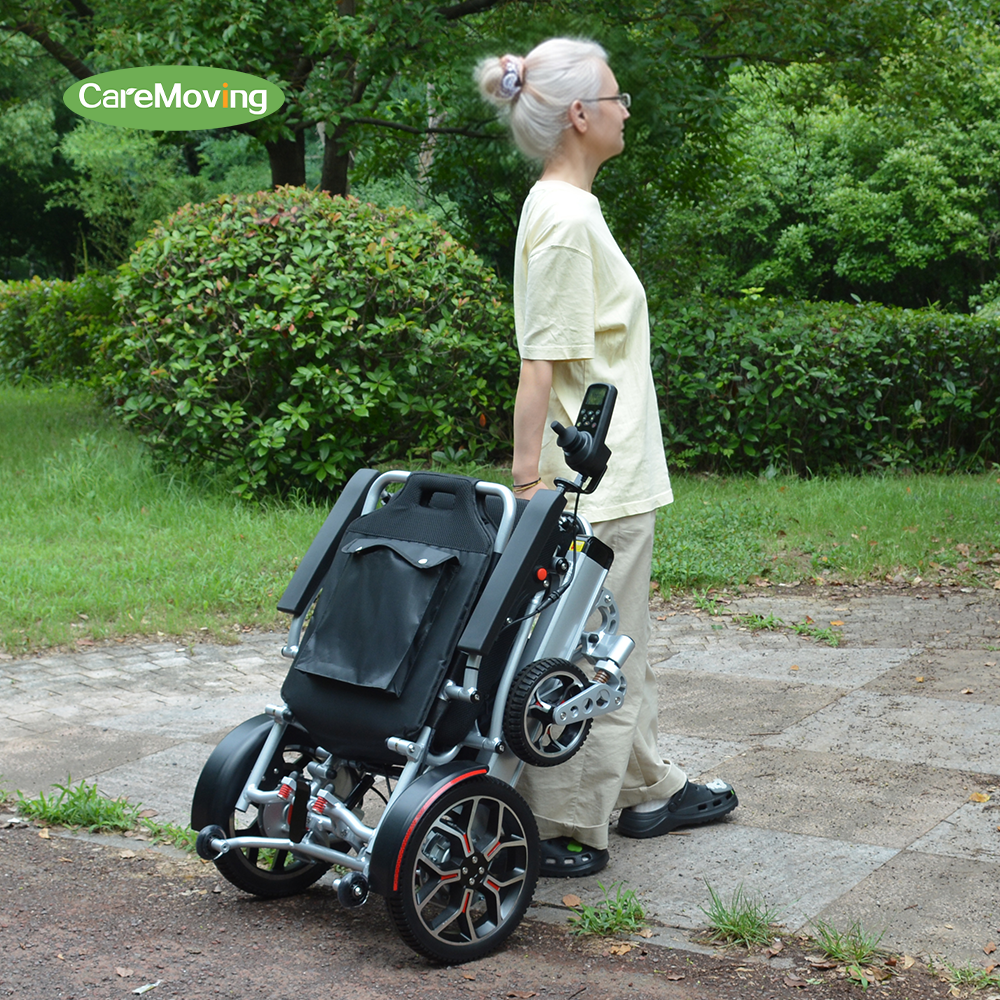
Additionally, consider the wheelchair's weight and portability. Lightweight electric wheelchairs are advantageous for users who frequently travel or need to transport the chair. Ensure the electric wheelchair can be easily folded or disassembled, if necessary, to fit in vehicles or storage spaces.
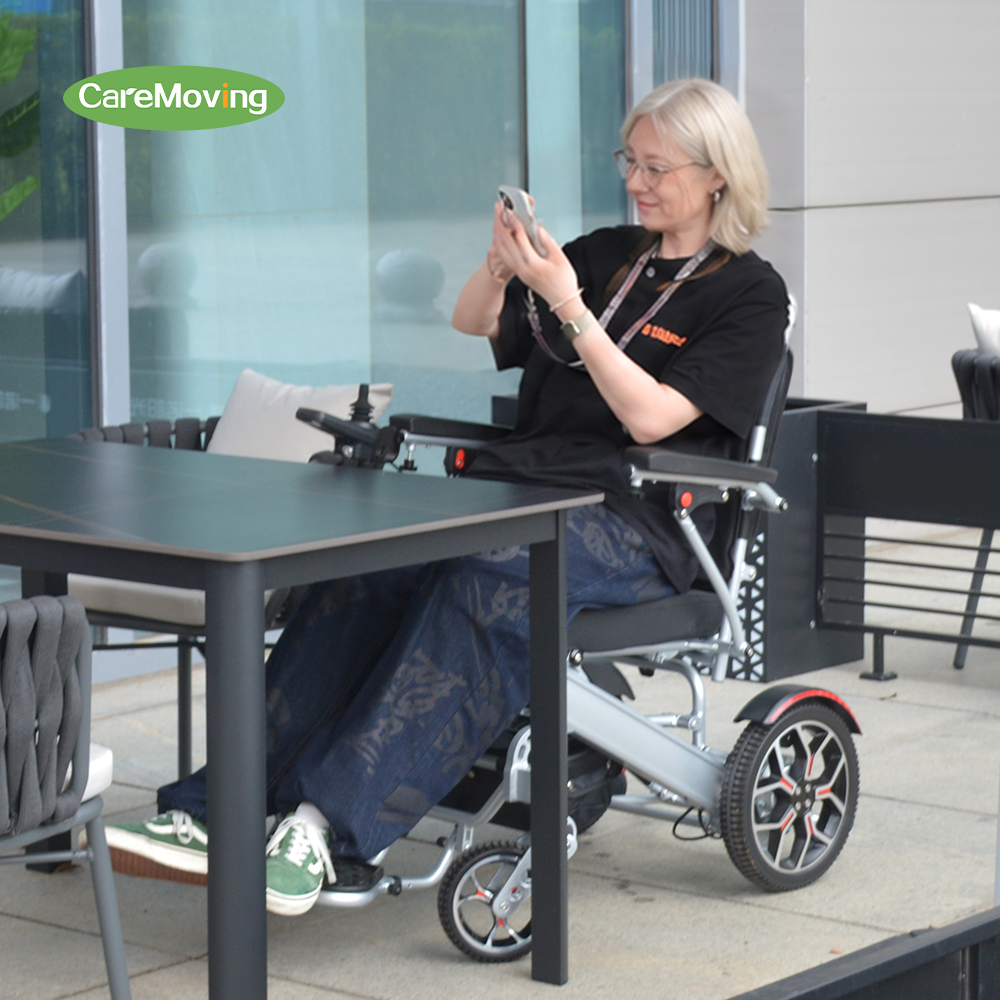
When comparing paraplegic wheelchairs, focus on specific technical specifications that affect performance and user experience. Key specifications include:
Weight Capacity: Check the maximum user weight limit to ensure safety and durability. Exceeding this limit can compromise the structure and functionality of the wheelchair.
Battery Life: For electric wheelchairs, evaluate the battery capacity, which affects how long the chair can operate on a single charge. A chair with a longer battery life is preferable for users who need to travel longer distances.
Motor Power: The motor's wattage is essential for determining speed and hill-climbing capabilities. A higher wattage motor typically offers better performance in varied terrains.
Material Composition: Materials used in the wheelchair frame and upholstery impact weight, durability, and comfort. Aluminum frames are lightweight and resistant to rust, while high-quality fabrics ensure user comfort and easy maintenance.
Safety Features: Look for features like anti-tip wheels, secure braking systems, and reflective strips for visibility. These aspects are vital for ensuring user safety, particularly in outdoor settings.
Finding trustworthy suppliers is critical for sourcing high-quality paraplegic wheelchairs. Start by researching manufacturers with proven industry experience and positive customer reviews. Suppliers should possess relevant certifications such as ISO 13485, FDA, and CE, which indicate compliance with international quality and safety standards.
Attend industry trade shows and exhibitions to connect with manufacturers and examine their products firsthand. This interaction can provide insights into product quality and customization options. Additionally, consider seeking recommendations from healthcare professionals or industry peers who have experience with specific suppliers.
Online platforms and B2B marketplaces can also be useful for comparing suppliers and exploring their offerings. Look for suppliers who provide detailed product specifications, pricing, and lead times, facilitating a thorough evaluation process.
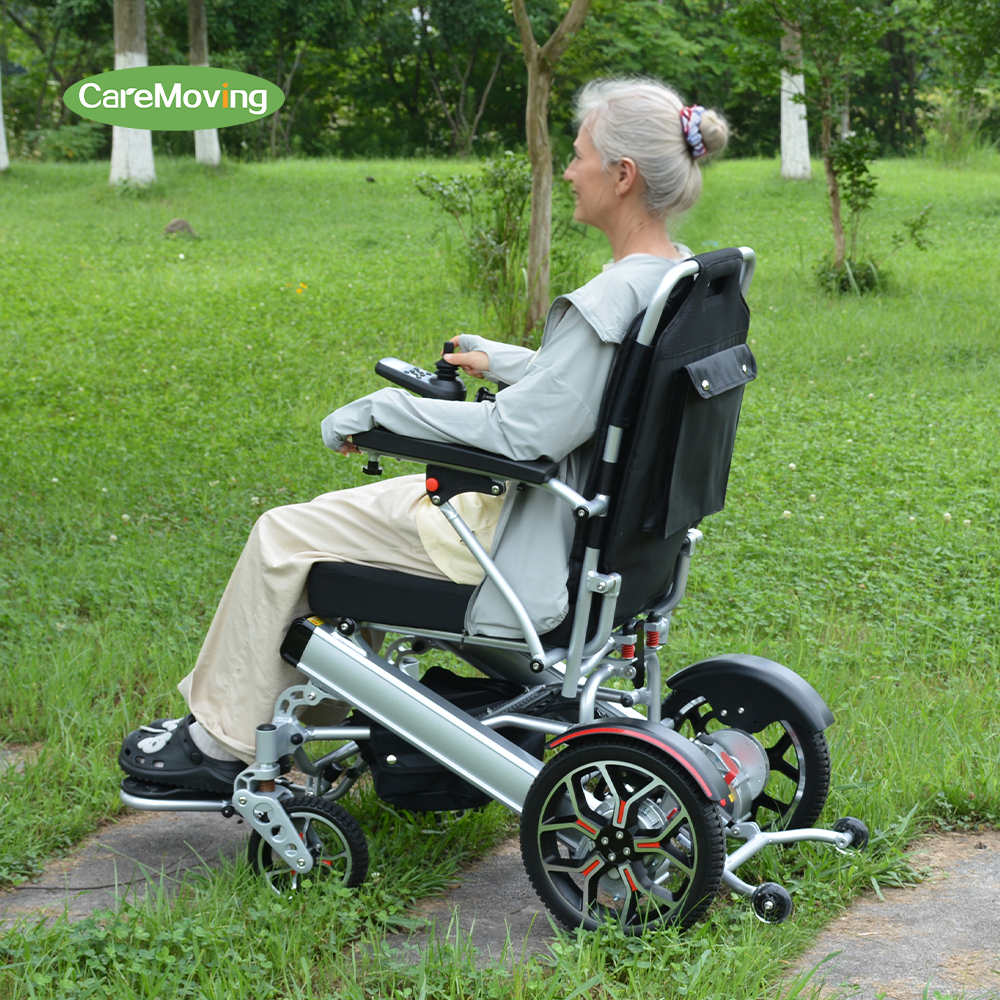
The choice of materials in paraplegic wheelchair design significantly affects performance, durability, and user comfort. High-quality materials can reduce maintenance frequency and enhance the wheelchair's lifespan.
For example, aluminum or titanium frames are lightweight yet strong, offering improved maneuverability without sacrificing stability. Additionally, using breathable, moisture-wicking fabrics for upholstery enhances comfort and hygiene, especially for users who spend extended periods in their power wheelchair.
Investing in quality materials may initially increase the purchase cost but can lead to long-term savings through reduced replacement needs and maintenance expenses. It’s vital to evaluate the trade-offs between initial costs and the expected lifespan of the wheelchair when making purchasing decisions.
We Powerchair wheelchair the customer's experience with us and offer excellent pre-sales services Our company offers OEM andODM services and free samples for high-quality dealers that are industry-leading Our team of experts is at hand to answer your queries and quickly respond to your requirements supporting you and in partnership with you to discover the ideal solution for your requirements
Mobility scooter located in Nanjing (China), is a business that combines industry and trade. This company is an amalgamation of industry and trade. It is specialized in the production and sale of electric wheelchairs designed for elderly individuals and scooters. Our factory is ISO 13485 certified, FDA, MDR CE and UKCA.
Our dedication to quality does not end when we sell our products. Our extensive after-sales support ensures seamless installation and operation. Our expert team is committed to resolving issues swiftly and efficiently. We're confident that we can provide a Light wheelchair and reliable solution for your hardware requirements. We provide Stable Quality and delivery times
Our team is committed to providing you with best quality Power wheelchair. Every employee works hard, and is accountable for each job. Our experience and technology can hopefully yield higher quality results. Our designed and mass-produced products are tested on specially designed equipment.

With modern and green as our product concept,CareMoving is committed to become a globally recognized supplier of electric wheelchairs and senior mobility scooters,providing win-win cooperation solutions for our overseas customers,as well as providing the best products for our users. --Care Life,Moving Easy--
Room 8701&8707, Building A4, No.128 Jiangjun Avenue, Nanjing, China.
Copyright © Nanjing CareMoving Rehabilitation Equipment Co.,Ltd All Rights Reserved- Privacy Policy- Blog

 EN
 AR
 BG
 HR
 CS
 DA
 NL
 FI
 FR
 DE
 EL
 IT
 JA
 KO
 NO
 PL
 PT
 RO
 RU
 ES
 SV
 TL
 IW
 LV
 LT
 SR
 SK
 SL
 UK
 VI
 ET
 HU
 MT
 TH
 TR
 FA
 MS
 GA
 CY
 IS


