Active wheelchairs are specialized mobility devices designed to enhance independence for individuals with mobility impairments. As a B2B buyer, understanding the intricacies of active wheelchairs is essential. Key concerns include specifications, material choices, and the specific applications suited for these devices. This article will provide comprehensive insights into selecting the right active wheelchair, addressing common issues, installation guidance, material comparisons, and their applications in rehabilitation settings to assist purchasing managers, distributors, and engineers in making informed decisions.
When selecting active wheelchairs, several specifications are crucial to ensure they meet user needs and application requirements.
Weight Capacity: This specification indicates the maximum weight the wheelchair can safely support. It is vital for ensuring user safety and comfort. Buyers should confirm the intended user’s weight against the power wheelchair capacity.
Dimensions: The width, height, and length of the wheelchair must fit the user properly. A chair that is too wide or too narrow can lead to discomfort and hinder mobility. Customization options may be available to accommodate unique body dimensions.
Material Quality: The frame material affects durability and weight. Common options include aluminum for a lightweight design and steel for added strength. Buyers should consider the intended environment and usage frequency when selecting materials.
Battery Specifications: For electric active wheelchairs, understanding battery capacity and range is essential. This impacts how far the user can travel on a single charge. Ensuring the battery can provide adequate power for the user’s daily activities is crucial.
Maneuverability: Features such as turning radius and wheel design affect how easily the wheelchair can navigate various environments. Buyers should assess the spaces the wheelchair will be used in, such as narrow hallways or outdoor terrains.
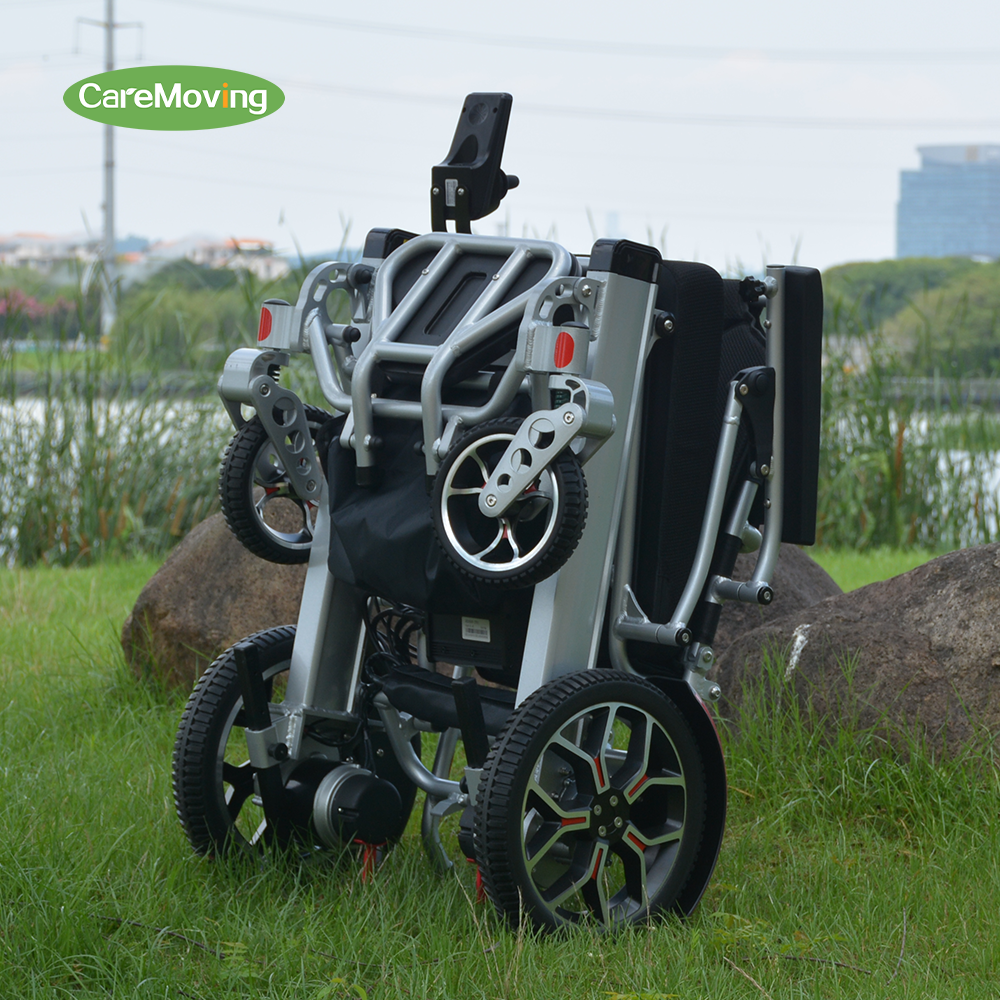
Active wheelchairs, while designed for mobility and comfort, can present common issues that may affect their performance and longevity. Understanding these problems and their solutions can aid in effective purchasing.
Battery Failure: One of the most common issues with electric active wheelchairs is battery failure, which can stem from overcharging or age. Regular maintenance checks, including battery performance evaluations, can help ensure reliability.
Wheel Alignment Issues: Poor alignment can lead to uneven wear and difficulty in maneuvering. Regular inspections and adjustments by qualified technicians can prevent this problem.
Comfort Issues: Users may experience discomfort due to inadequate cushioning or improper fit. Buyers should prioritize adjustable seating options and test various models to find the best fit for the user.
Mechanical Failures: Components such as motors, brakes, or control systems may fail over time. Ensuring the electric wheelchair comes with a warranty and a reliable customer support system for parts and repairs can mitigate this risk.
Weight Management: Overloading the wheelchair can lead to mechanical strain. Educating users about the weight capacity and encouraging adherence to these limits can prevent premature wear.
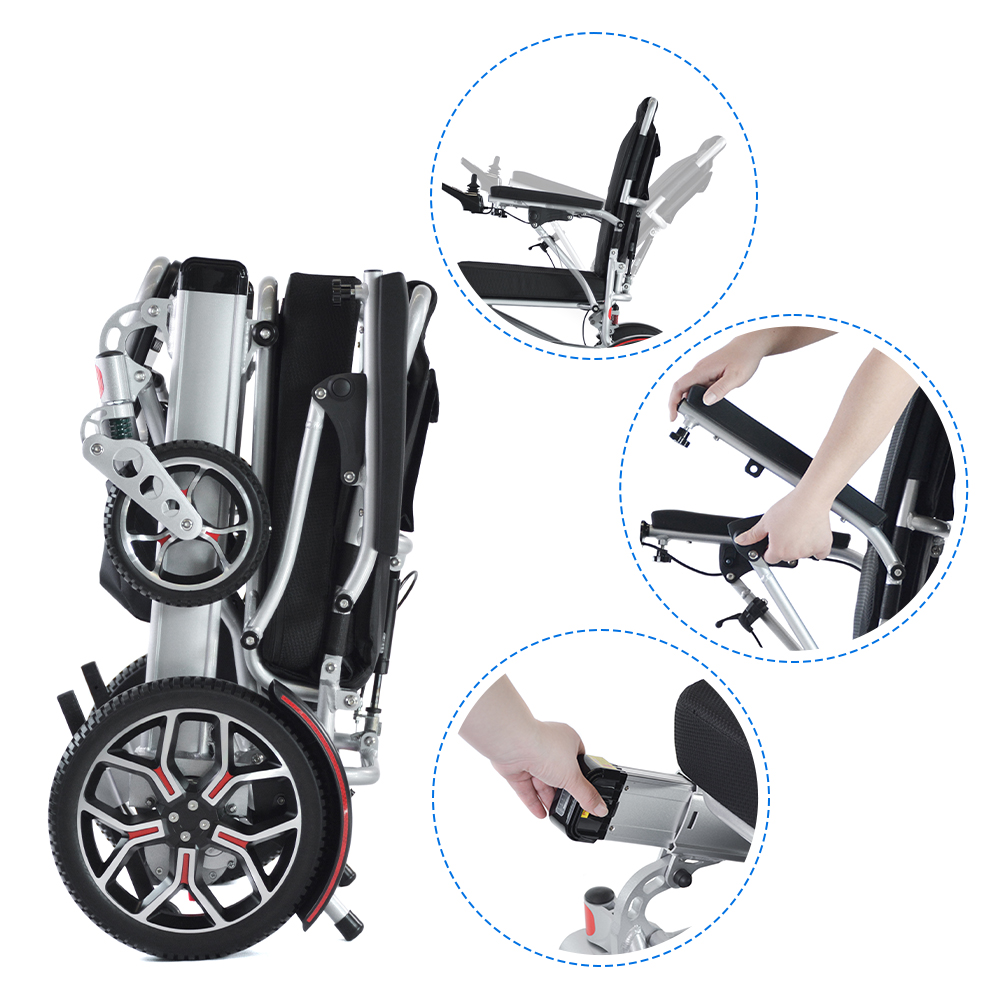
Proper installation of active wheelchairs is essential for ensuring optimal performance and safety. Here are key steps to follow:
Assembly Instructions: Most active wheelchairs come with specific assembly instructions. Buyers should ensure that these instructions are clear and accessible.
Adjustments: Following assembly, adjustments may be necessary to fit the user. This includes setting the seat height, armrest positioning, and footrest length.
Safety Checks: After installation, conducting a thorough safety check is vital. This includes testing the brakes, ensuring the battery is securely connected, and checking wheel alignments.
User Training: Providing training for users on how to operate the wheelchair safely is essential. This includes familiarizing them with controls, braking systems, and emergency procedures.
Maintenance Schedule: Establishing a routine maintenance schedule can help prevent issues. This should include regular battery checks, tire inflation levels, and overall functionality assessments.
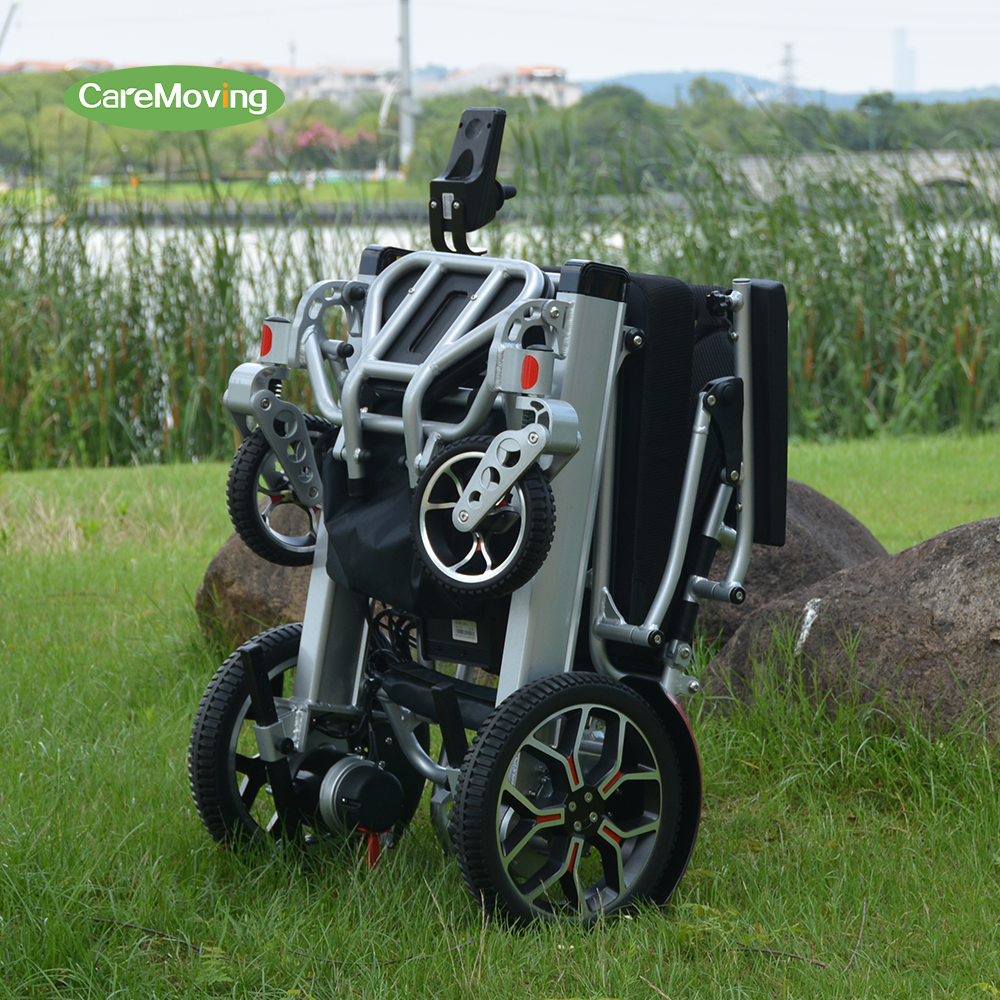
Material selection plays a significant role in the performance and durability of active wheelchairs. Here’s a comparison of common materials used:
Aluminum: Lightweight and resistant to corrosion, aluminum wheelchairs are ideal for users who require portability. However, they may not support as much weight as steel options.
Steel: Known for its strength and durability, steel is a preferred choice for users needing robust support. However, it is heavier than aluminum, which may affect mobility.
Carbon Fiber: This advanced material offers a high strength-to-weight ratio, making it extremely lightweight and strong. While typically more expensive, it is ideal for active users who prioritize performance and portability.
Plastic Composites: Often used in wheel components, these materials can reduce overall weight and increase resistance to wear and tear. They are typically used in conjunction with metal frames for enhanced performance.
Upholstery Materials: The choice of fabric for seating affects comfort and durability. Options include breathable mesh for ventilation and padded materials for comfort. Buyers should select based on user preferences and intended use environments.
Our team is committed to providing the best quality machines. Every employee does their job with dedication, and is accountable for their task. We are confident that our technology and efforts will yield better results. Our manufactured and developed products are tested on specially designed Electric wheelchair.
We value the customer's Wheelchair within our business and offer outstanding pre-sales assistance. We offer OEM and ODM services, and we provide free samples for high-quality dealers. Our expert team will be happy to assist you determine the most effective solution to meet your needs.
We don't stop after sales. We offer an extensive after-sales support to ensure Powerchair wheelchair installation and operation of your hardware devices. Our experienced team is committed to resolving issues swiftly and efficiently. We are confident that we will provide a long-lasting and reliable solution for your hardware needs. Also, we have stable quality and Delivery Time
Nanjing CareMoving Rehabilitation Equipment Co. Ltd is located in Nanjing (China), is a firm that integrates Electric wheelchair and trade. It is a business that integrates trade and industry, specializing in the production and distribution of electric wheelchairs and elderly mobility scooters, with a monthly production of 1200 units. Our factory has ISO 13485, FDA, MDR CE, UKCA, and RoHS certifications.

With modern and green as our product concept,CareMoving is committed to become a globally recognized supplier of electric wheelchairs and senior mobility scooters,providing win-win cooperation solutions for our overseas customers,as well as providing the best products for our users. --Care Life,Moving Easy--
Room 8701&8707, Building A4, No.128 Jiangjun Avenue, Nanjing, China.
Copyright © Nanjing CareMoving Rehabilitation Equipment Co.,Ltd All Rights Reserved- Privacy Policy- Blog

 EN
 AR
 BG
 HR
 CS
 DA
 NL
 FI
 FR
 DE
 EL
 IT
 JA
 KO
 NO
 PL
 PT
 RO
 RU
 ES
 SV
 TL
 IW
 LV
 LT
 SR
 SK
 SL
 UK
 VI
 ET
 HU
 MT
 TH
 TR
 FA
 MS
 GA
 CY
 IS


