When considering manual wheelchairs, understanding the price points and the factors influencing costs is crucial for purchasing managers and buyers in the B2B sector. Manual wheelchair are essential mobility aids that come in various models, materials, and specifications, which can significantly affect their pricing. This article will guide you through selecting the right manual wheelchair for your needs, assessing key factors, comparing specifications, and understanding cost factors associated with manual wheelchair purchases.
Selecting the right manual wheelchair involves evaluating user requirements, usage environments, and specific features. Key considerations include:
User Profile: Consider the primary user’s physical condition, weight, and height. These factors will determine the manual wheelchair size, weight capacity, and type.
Usage Environment: Identify where the wheelchair will be used most frequently. Indoor environments may require a more compact design, while outdoor usage might necessitate a more robust model with better wheels and suspension.
Features and Comfort: Look for features such as adjustable armrests, footrests, and seat cushions that enhance comfort, especially for long-term use. Additionally, options for customization can cater to specific medical needs, which is crucial for ensuring user satisfaction.
Durability and Portability: Evaluate the wheelchair's materials. Lightweight materials can enhance portability, essential for users who travel frequently or require assistance in transferring the wheelchair.
By aligning these factors with the specific needs of the user, purchasing managers can ensure they select a wheelchair that maximizes functionality and comfort.
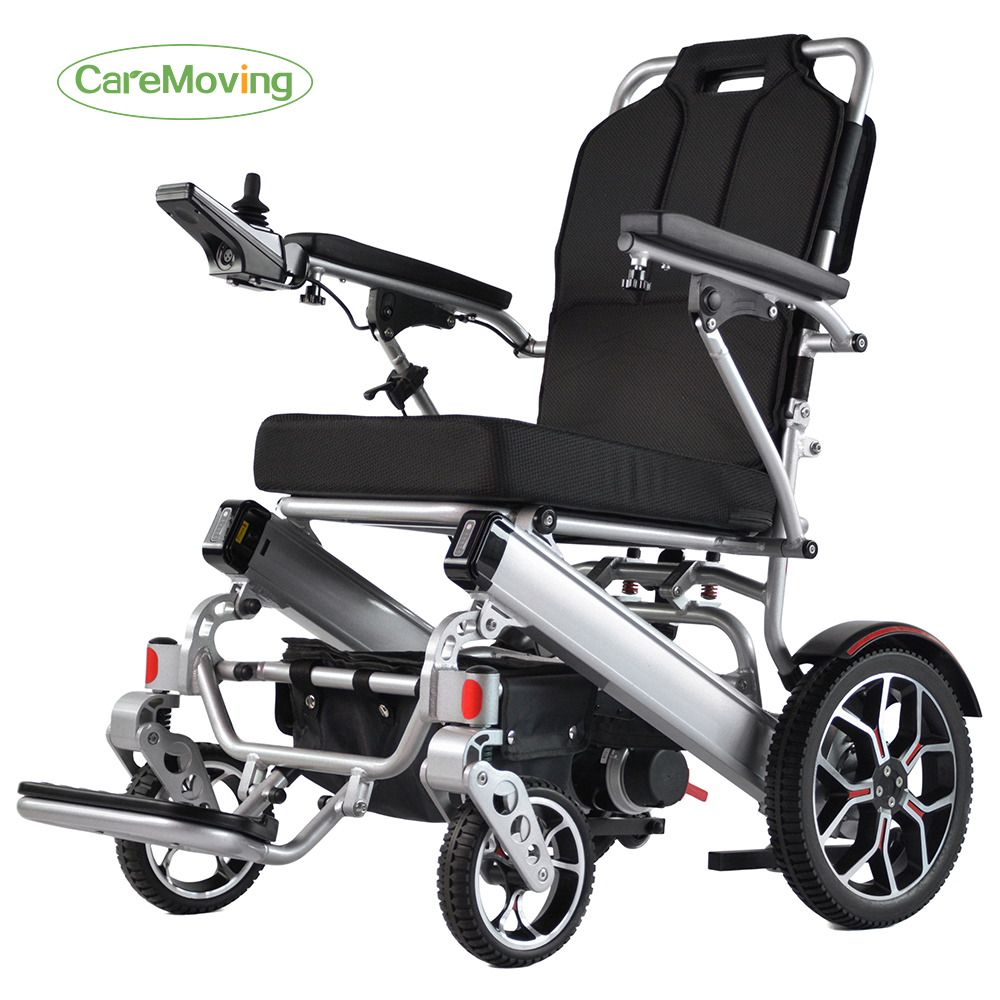
When assessing manual wheelchairs, several key factors should be taken into account:
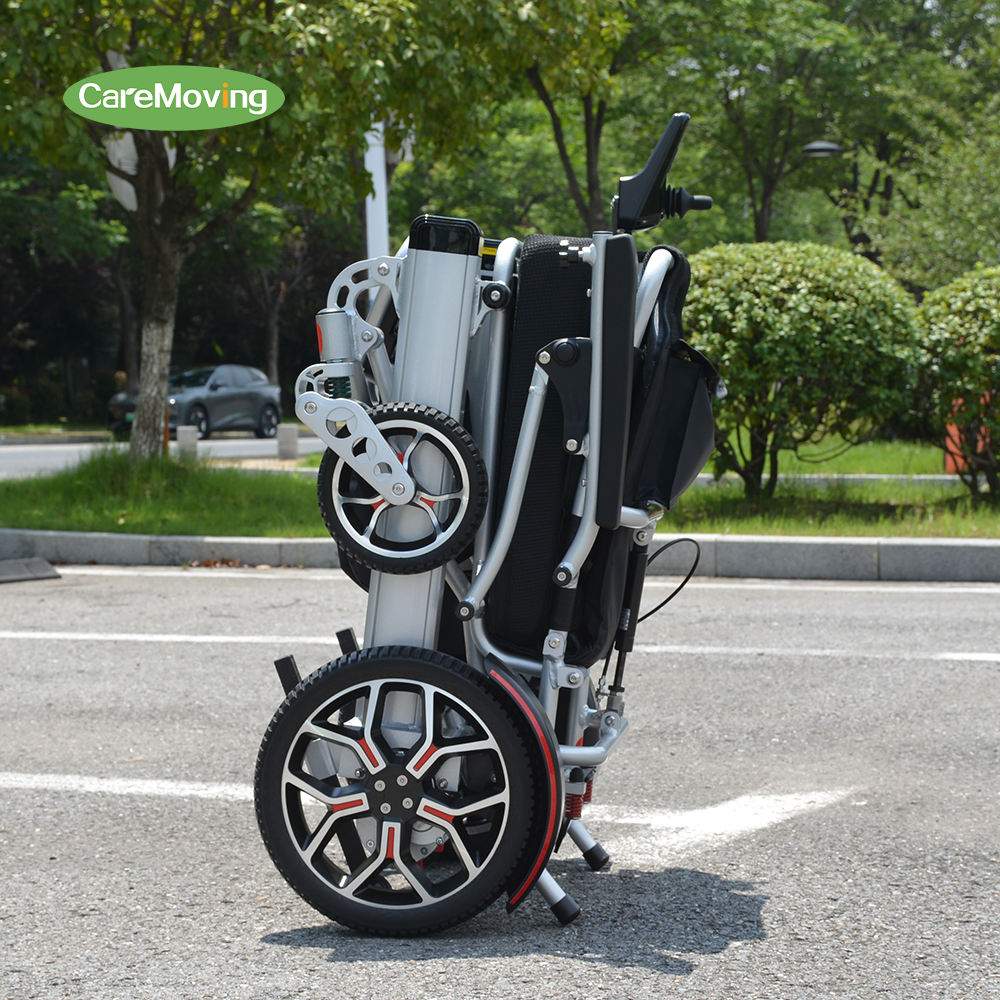
Weight and Portability: The weight of the wheelchair plays a significant role in its portability. Lightweight models are easier to transport and maneuver, especially for caregivers.
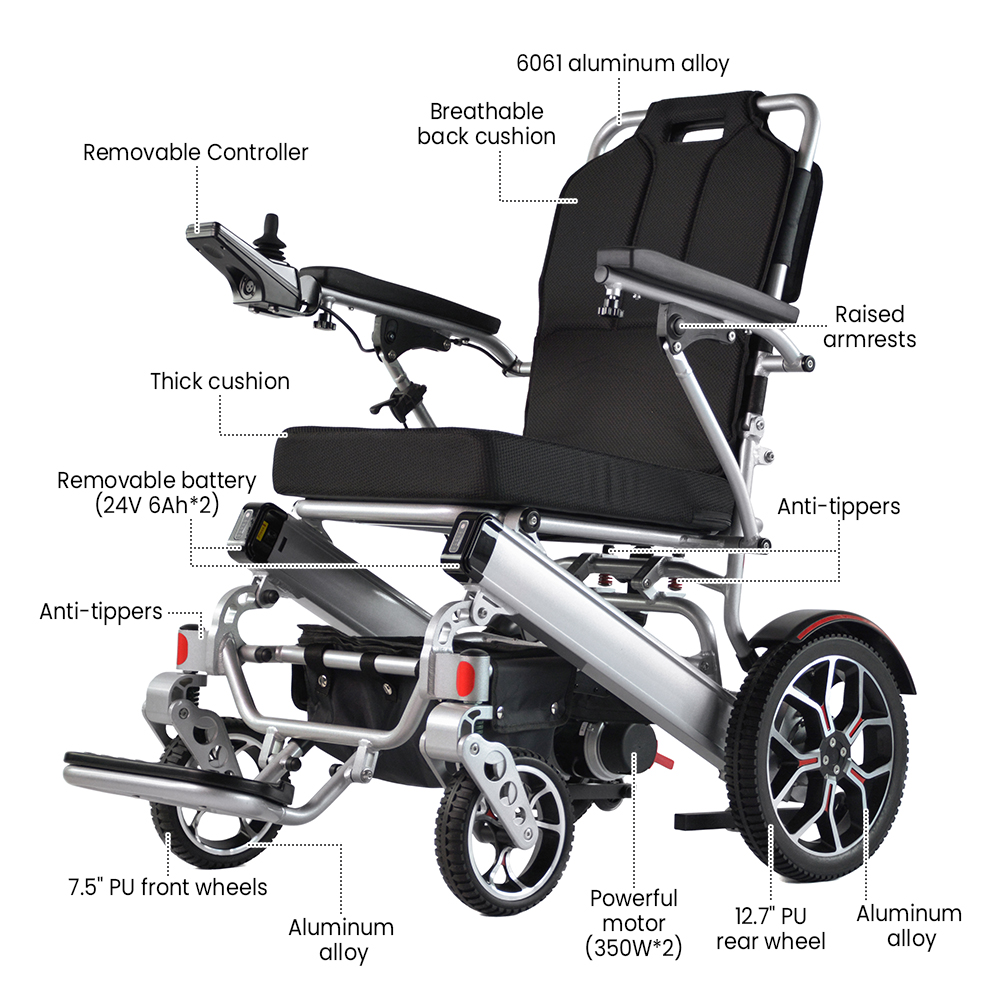
Frame Material: Common materials include aluminum and steel. Aluminum frames are lighter and resist rust, making them suitable for outdoor use, while steel frames offer more durability but can be heavier.
Wheel Type and Size: Larger rear wheels improve outdoor performance and maneuverability, while smaller wheels may be suitable for indoor use. Consider the type of tires as well solid tires require less maintenance, while pneumatic tires provide a smoother ride but may require inflation.
Adjustability: Many modern manual wheelchairs offer adjustable features. These can include seat height, backrest angle, and armrest height, which are essential for customizing the wheelchair manual to the user’s comfort and needs.
Braking System: Effective brakes are essential for safety. Some models feature push-to-lock brakes, while others may offer more advanced braking systems.
Understanding and assessing these factors will provide a clearer picture of which manual wheelchair will offer the best value and functionality for users.
To optimize selection, comparing specifications across different manual wheelchair models is crucial. Here are some key specifications to consider:
SpecificationImportance
Seat Width: Must accommodate the user's hips comfortably, preventing pressure sores.
Weight Capacity: Ensure the wheelchair can support the user’s weight safely.
Overall Dimensions: Consider dimensions for maneuverability in tight spaces.
Seat Height: Should align with the user’s height for ease of transfer and comfort.
Wheel Size: Affects mobility; larger wheels are better for outdoor terrain.
Material: Impacts weight, durability, and price.
These specifications can vary significantly between models and manufacturers, making it essential to compare them against the user’s needs and the intended usage environment.
The price of manual wheelchairs can vary widely based on several factors:
Materials: Wheelchairs made from lightweight materials like aluminum typically cost more due to their manufacturing processes. Conversely, heavier options may be less expensive but could compromise portability and ease of use.
Manufacturing Processes: Higher-quality manufacturing processes, such as those that comply with certifications like ISO 13485 or FDA standards, might increase costs but ensure better safety and durability, which is crucial for B2B buyers focusing on long-term value.
Customization: Custom features, such as specialized seating systems or additional accessories, can increase the overall price. Customization should be carefully considered based on the user’s specific needs.
Market Demand: Prices can fluctuate based on demand and market trends. For instance, during health crises, demand for mobility aids may spike, potentially affecting pricing.
Volume Discounts: For B2B purchases, negotiating volume discounts can significantly lower costs. Manufacturers may offer better pricing for bulk orders, which is beneficial for hospitals, rehabilitation centers, and other institutions.
By understanding these cost factors, buyers can make informed decisions, balancing budget constraints with the need for quality and functionality.
Our team is committed to providing the best quality machines. Every employee does their job with dedication, and is accountable for their task. We are confident that our technology and efforts will yield better results. Our manufactured and developed products are tested on specially designed Powerchair wheelchair.
Our dedication to quality does not end when we sell our products. Our extensive after-sales support ensures seamless installation and operation. Our expert team is committed to resolving issues swiftly and efficiently. We're confident that we can provide a Light wheelchair and reliable solution for your hardware requirements. We provide Stable Quality and delivery times
We at our company value customer experience and strive to provide the best pre-sales support. Our company offers Light wheelchair and ODM services, we have no-cost samples for dealers who are of the highest quality who are in the business. Our expert team is always ready to answer your questions and respond promptly to your needs, aiding you and working with you to find the best solution to your needs.
Nanjing CareMoving Rehabilitation Equipment Co. Ltd is located in Nanjing (China), is a firm that integrates Electric wheelchair and trade. It is a business that integrates trade and industry, specializing in the production and distribution of electric wheelchairs and elderly mobility scooters, with a monthly production of 1200 units. Our factory has ISO 13485, FDA, MDR CE, UKCA, and RoHS certifications.

With modern and green as our product concept,CareMoving is committed to become a globally recognized supplier of electric wheelchairs and senior mobility scooters,providing win-win cooperation solutions for our overseas customers,as well as providing the best products for our users. --Care Life,Moving Easy--
Room 8701&8707, Building A4, No.128 Jiangjun Avenue, Nanjing, China.
Copyright © Nanjing CareMoving Rehabilitation Equipment Co.,Ltd All Rights Reserved- Privacy Policy- Blog

 EN
 AR
 BG
 HR
 CS
 DA
 NL
 FI
 FR
 DE
 EL
 IT
 JA
 KO
 NO
 PL
 PT
 RO
 RU
 ES
 SV
 TL
 IW
 LV
 LT
 SR
 SK
 SL
 UK
 VI
 ET
 HU
 MT
 TH
 TR
 FA
 MS
 GA
 CY
 IS


