
 EN
EN
 AR
AR
 BG
BG
 HR
HR
 CS
CS
 DA
DA
 NL
NL
 FI
FI
 FR
FR
 DE
DE
 EL
EL
 IT
IT
 JA
JA
 KO
KO
 NO
NO
 PL
PL
 PT
PT
 RO
RO
 RU
RU
 ES
ES
 SV
SV
 TL
TL
 IW
IW
 LV
LV
 LT
LT
 SR
SR
 SK
SK
 SL
SL
 UK
UK
 VI
VI
 ET
ET
 HU
HU
 MT
MT
 TH
TH
 TR
TR
 FA
FA
 MS
MS
 GA
GA
 CY
CY
 IS
IS

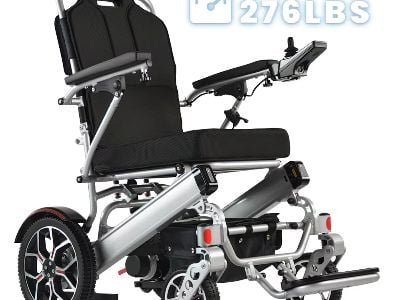
Electric wheelchair systems play a crucial role in providing controlled mobility for individuals with limited movement. Understanding how to select a reliable wheelchair electric system is essential for purchasing managers, distributors, and engineers involved in sourcing these products. This article will delve into the key specifications, quality evaluation criteria, common challenges, and applications of wheelchair electric systems. By the end, you will have a clearer understanding of how to make informed decisions when evaluating these mobility solutions.
Key Specifications for Choosing Reliable Wheelchair Electric Systems
When selecting a wheelchair electric system, several key specifications should guide your decision-making process:
Weight Capacity: This specification indicates the maximum weight the wheelchair can safely support. It's essential to choose a system that accommodates the user’s weight while ensuring stability and safety.
Battery Life and Range: Battery specifications detail the expected range per charge, influencing how far the wheelchair can travel. A longer battery life is crucial for users who need to cover greater distances without frequent recharging.
Motor Power: The motor's wattage determines the wheelchair's speed and ability to navigate different terrains. Look for systems with adequate power for your intended use, particularly if the user will be traveling on inclines or rough surfaces.
Dimensions: The size of the wheelchair affects maneuverability, especially in tight spaces. Ensure the dimensions meet the user's needs while providing an optimal fit for accessibility.
Safety Features: Look for systems with features like anti-tip mechanisms, reliable braking systems, and seatbelts, which contribute to user safety.
Understanding these specifications will help you assess the performance and suitability of different reclining wheelchair electric systems for various applications.
Wheelchair Electric Systems for Bulk Purchases
For purchasing managers considering bulk orders, it's vital to evaluate several factors that can impact the procurement process:
Minimum Order Quantity (MOQ): Many manufacturers have a MOQ, which can affect pricing and lead times. Understand the MOQ requirements to align with your purchasing strategy.
Customization Options: Bulk purchases often allow for customization, whether it’s color, features, or branding. Discuss available options with manufacturers to ensure the products meet specific market needs.
Lead Time: Establishing an accurate lead time is essential for project planning. Inquire about production capacity, as Nanjing CareMoving Rehabilitation Equipment Co., Ltd. boasts a monthly production capacity of 2,000 wheelchairs. This capability can significantly influence your schedules.
Shipping and Packaging: Ensure that the manufacturer provides suitable packaging methods to protect the wheelchairs during transit. Discuss logistics and shipping options to optimize delivery efficiency.
By addressing these considerations, you can streamline the bulk purchasing process and ensure a successful procurement experience.
Quality Evaluation Criteria for Electric Wheelchair Systems
Quality evaluation is paramount in ensuring that the wheelchair electric system meets both safety and performance standards. Here are some key criteria to consider:
Certifications: Verify that the products hold relevant certifications such as ISO 13485, FDA, MDR CE, and RoHS. These certifications reflect compliance with international safety and quality standards.
Material Quality: Assess the materials used in construction, as they directly affect durability and user comfort. High-quality materials will resist wear and tear, ensuring a longer lifespan for the product.
Testing Procedures: Inquire about the manufacturer's quality control processes. A comprehensive testing protocol should include assessments for functionality, safety, and durability before products leave the factory.
User Feedback: Look for customer reviews and feedback on the electric wheelchair system. Real-world experiences can provide insight into performance and any potential issues that may arise.
By applying these evaluation criteria, you can confidently select a high-quality electric wheelchair system that meets your requirements.
Common Problems with Electric Wheelchair Systems and Solutions
Understanding common issues associated with electric wheelchair systems can help buyers prepare for potential challenges:
Battery Malfunctions: Battery problems can lead to unexpected failures during use. To mitigate this, ensure regular maintenance and check battery health as part of routine inspections.
Motor Issues: Motors may experience wear over time, affecting performance. Regularly inspect the motor for any signs of abnormal noise or reduced power, and address issues promptly.
Mechanical Failures: Components such as wheels and brakes can wear out or become damaged. Implementing a maintenance schedule can help catch these problems early, ensuring the wheelchair remains safe and functional.
User Misuse: Sometimes, users may not operate the wheelchair properly, leading to accidents. Providing comprehensive training on the wheelchair's features and capabilities can greatly reduce misuse incidents.
By being aware of these common problems and their solutions, buyers can take proactive measures to ensure the longevity and reliability of their electric wheelchair systems.
Applications of Wheelchair Electric Systems in Various Industries
Wheelchair electric systems serve a multitude of purposes across various sectors, including:
Healthcare: In hospitals and rehabilitation centers, electric wheelchairs enhance patient mobility, allowing for easier transport between departments and improving patient comfort.
Hospitality: Hotels and resorts increasingly provide electric wheelchairs to enhance accessibility for guests with mobility challenges, thereby improving their overall experience.
Retail: Many stores offer electric wheelchairs for customer convenience, allowing individuals with mobility limitations to navigate large spaces comfortably.
Home Care: Electric wheelchairs provide independence for individuals at home, enabling them to move freely around their living spaces and engage in daily activities.
By understanding these applications, buyers can better appreciate the versatility and importance of wheelchair electric systems in enhancing mobility across various sectors. selecting the right power wheelchair system involves careful consideration of specifications, quality evaluation, potential challenges, and applications. Armed with this knowledge, purchasing managers and other stakeholders can make informed decisions that meet the needs of their users while ensuring compliance with industry standards.
Table of Contents
- Key Specifications for Choosing Reliable Wheelchair Electric Systems
- Wheelchair Electric Systems for Bulk Purchases
- Quality Evaluation Criteria for Electric Wheelchair Systems
- Common Problems with Electric Wheelchair Systems and Solutions
- Applications of Wheelchair Electric Systems in Various Industries