
 EN
EN
 AR
AR
 BG
BG
 HR
HR
 CS
CS
 DA
DA
 NL
NL
 FI
FI
 FR
FR
 DE
DE
 EL
EL
 IT
IT
 JA
JA
 KO
KO
 NO
NO
 PL
PL
 PT
PT
 RO
RO
 RU
RU
 ES
ES
 SV
SV
 TL
TL
 IW
IW
 LV
LV
 LT
LT
 SR
SR
 SK
SK
 SL
SL
 UK
UK
 VI
VI
 ET
ET
 HU
HU
 MT
MT
 TH
TH
 TR
TR
 FA
FA
 MS
MS
 GA
GA
 CY
CY
 IS
IS

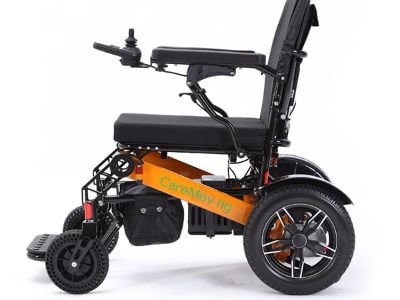
Understanding why wheelchair electric motors require precise speed control is essential for ensuring safe and effective mobility for users. In the B2B landscape, purchasing managers, distributors, and engineers face the challenge of selecting motors that not only meet performance standards but also enhance user experience. This article aims to provide detailed insights into the specifications, selection, sourcing, common issues, and quality control measures associated with electric wheelchair motors, empowering buyers to make informed decisions.
Key Specifications for Evaluating Electric Wheelchair Motors
When evaluating electric wheelchair motors, several key specifications should be considered to ensure optimal performance.
Torque: The torque rating determines the motor's ability to start and maintain motion, particularly under load. A higher torque is essential for navigating inclines or uneven terrain, which is common in power wheelchair applications.
Speed Range: The speed control of the motor is critical. A motor that supports variable speed settings allows users to adjust their pace according to their environment or personal comfort, enhancing safety and usability.
Voltage and Power Rating: The motor’s voltage rating affects its efficiency and compatibility with the wheelchair's battery system. Typical ratings range from 24V to 48V, and understanding the power requirements helps in selecting the right battery and charging solutions.
Weight and Size: The motor's weight and dimensions impact the overall design and portability of the light wheelchair. A compact and lightweight motor contributes to a more maneuverable and user-friendly product.
Durability and Environmental Resistance: Materials used in the motor construction should be robust and capable of withstanding various environmental factors. This includes moisture resistance and protection against dust, which can affect motor performance over time.
Understanding these specifications helps purchasing managers assess compatibility with their wheelchair designs and ensure that the motors will perform reliably in real-world conditions.
How to Choose the Right Electric Motor for Wheelchair Applications?
Selecting the right electric motor for wheelchair applications involves several critical considerations:
Application Requirements: Consider the specific needs of the end-users, such as terrain type (indoor vs. outdoor), weight capacity, and required speed. For example, motors for outdoor wheelchairs may need higher torque to navigate rough surfaces.
Customization Options: Some manufacturers offer customization capabilities, allowing for tailored solutions that match specific design parameters or user requirements. Discussing customization early in the sourcing process can lead to better outcomes.
Compatibility with Controls: Ensure that the motor is compatible with the wheelchair's control systems, including joystick or other input devices. The integration between the motor and control system is crucial for smooth operation and user experience.
Supplier Reliability: Research suppliers' experience and reputation within the industry. A manufacturer with a proven track record, like Nanjing CareMoving Rehabilitation Equipment Co., Ltd., brings the expertise needed to ensure quality and reliability.
Cost Considerations: Evaluate the total cost of ownership, which includes the motor price, maintenance expenses, and potential warranty costs. A higher upfront investment in a reliable motor may pay off through reduced long-term maintenance.
By closely examining these factors, buyers can select motors that align with their business needs and enhance the overall quality of their wheelchair products.
Where to Source Reliable Suppliers of Electric Wheelchair Motors?
Sourcing reliable suppliers of electric wheelchair motors involves careful research and evaluation. Here are some strategies:
Industry Networks and Trade Shows: Engaging with industry networks and attending trade shows can provide direct access to reputable suppliers. This also allows for firsthand product evaluation and discussions about specifications.
Online Marketplaces and Directories: Websites that specialize in industrial products often list verified suppliers. Look for those with customer reviews and feedback to gauge their reliability and service quality.
Certifications and Compliance: Ensure that suppliers have the necessary certifications, such as ISO 13485, FDA, and RoHS compliance. These certifications indicate adherence to industry standards and regulations, which is crucial for safety and performance.
Requesting Samples: Before making a large order, request samples to evaluate the motor's performance under actual usage conditions. This step can help identify any potential issues before full-scale production.
Long-term Relationships: Consider building long-term relationships with suppliers who demonstrate consistent quality and support. A reliable partner can provide valuable insights and assistance throughout the product lifecycle.
By following these strategies, businesses can effectively identify and partner with suppliers that meet their specific needs for electric wheelchair motors.
Common Problems with Wheelchair Motors and Their Solutions
Electric wheelchair motors can encounter several common issues that may affect performance:
Overheating: Motors may overheat due to excessive load or poor ventilation. This can be mitigated by ensuring proper motor sizing and providing adequate airflow around the motor.
Speed Control Malfunctions: Inconsistent speed control may arise from faulty electronics or connections. Regular inspections and maintenance of the control systems can help prevent these issues.
Battery Compatibility Issues: Incompatibility between the motor and battery can lead to performance problems. Buyers should verify that the motor’s voltage and power ratings align with the wheelchair’s battery system.
Wear and Tear: Continuous usage can lead to wear on motor components. Implementing routine maintenance checks can help identify wear before it leads to failure, ensuring longevity and reliability.
Noise and Vibration: Excessive noise or vibration can indicate misalignment or wear. Proper installation and alignment during the manufacturing process are crucial to avoid these issues.
By understanding these common problems and their solutions, purchasing managers and engineers can proactively address potential issues and enhance the reliability of their wheelchair products.
Quality Control Measures for Electric Motors in Wheelchair Manufacturing
Implementing quality control measures is vital to ensuring the reliability and safety of electric motors used in wheelchairs. Here are key practices:
Incoming Material Inspection: Conduct thorough inspections of all incoming materials, including motors, to ensure they meet specified requirements. This includes verifying certifications and conducting performance tests.
In-Process Quality Checks: During the manufacturing process, regular inspections should be conducted to identify any deviations from quality standards. This helps catch issues early and minimizes waste.
Performance Testing: Before final assembly, performance testing of the motors should be done under actual operating conditions. This includes testing for torque, speed, and responsiveness to controls.
Final Product Inspection: A comprehensive inspection of the finished wheelchair, including motor performance, should be conducted before shipment. This ensures that all components function correctly and meet safety standards.
Feedback Loop: Establishing a feedback loop from customers and end-users can provide insights into motor performance in real-world applications. This information is valuable for continuous improvement in manufacturing processes.
By adopting these quality control measures, manufacturers can enhance the reliability of their electric wheelchair motors and ensure they meet high standards for safety and performance, ultimately benefiting both the manufacturer and the end-users.
Table of Contents
- Key Specifications for Evaluating Electric Wheelchair Motors
- How to Choose the Right Electric Motor for Wheelchair Applications?
- Where to Source Reliable Suppliers of Electric Wheelchair Motors?
- Common Problems with Wheelchair Motors and Their Solutions
- Quality Control Measures for Electric Motors in Wheelchair Manufacturing