
 EN
 AR
 BG
 HR
 CS
 DA
 NL
 FI
 FR
 DE
 EL
 IT
 JA
 KO
 NO
 PL
 PT
 RO
 RU
 ES
 SV
 TL
 IW
 LV
 LT
 SR
 SK
 SL
 UK
 VI
 ET
 HU
 MT
 TH
 TR
 FA
 MS
 GA
 CY
 IS

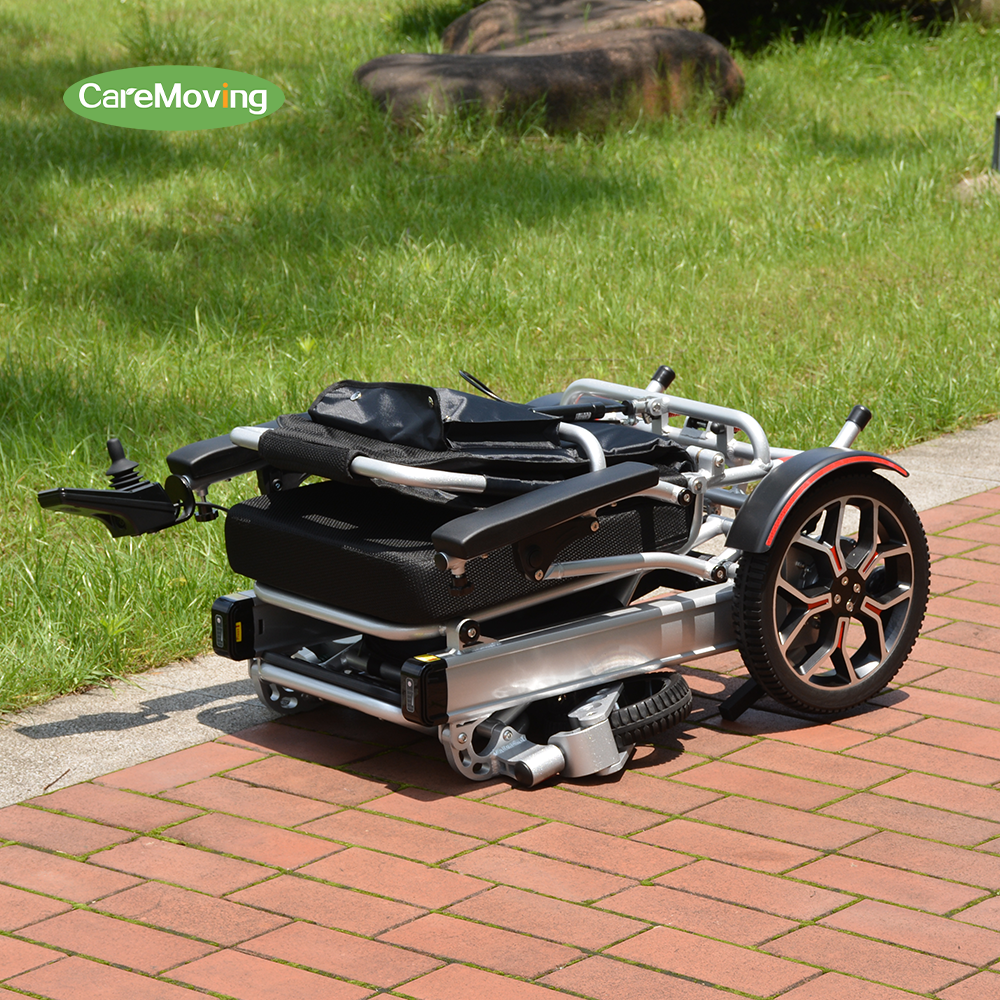
Electric folding wheelchairs offer a convenient mobility solution by significantly reducing storage space requirements. This is particularly important for B2B buyers such as purchasing managers, distributors, and product managers looking to optimize their inventory and storage costs. We will explore how electric folding wheelchairs maximize storage efficiency, key specifications for wholesale buyers, quality evaluation methods, reliable suppliers, and cost factors to consider during purchase.
How Electric Folding Wheelchairs Maximize Storage Efficiency for Buyers
Electric folding wheelchairs are designed with portability in mind, making them ideal for environments with limited space. The innovative folding mechanism allows these wheelchairs to collapse into a compact form, decreasing their footprint significantly. For buyers, this means that multiple units can be stored in the same area, or they can easily be transported in vehicles for off-site use.
Additionally, the reduced dimensions of electric folding wheelchair facilitate easier handling and maneuvering in tight spaces, which can be a crucial factor for businesses that operate in urban environments or have limited storage facilities. By simplifying the storage and transport process, these wheelchairs help businesses reduce logistical challenges and streamline operations.
Key Specifications of Electric Folding Wheelchairs for Wholesale Buyers
When evaluating electric folding wheelchairs for bulk purchases, several specifications are critical to consider:
Weight Capacity: Most electric folding wheelchairs support a weight range of 250 to 350 lbs, depending on the model. Buyers should ensure that the wheelchair can accommodate the intended user demographics.
Battery Life: Look for models that offer at least 10-15 miles of travel on a single charge. This is essential for users who may need extended mobility without frequent recharging.
Dimensions: Folded dimensions should be specified to ensure that the product will fit in the designated storage or transport areas. Typical folded dimensions range from 28 to 32 inches in length.
Material Quality: Aluminum and high-strength steel are common materials used in frames, providing a balance of durability and weight. A lightweight structure is beneficial for portability.
Safety Features: Features such as anti-tip technology, secure braking systems, and easy-to-use controls are vital for user safety. Ensure these features are included in the specifications.
Understanding these specifications will help buyers make informed decisions that align with their operational needs and customer expectations.
Evaluating the Quality of Electric Folding Wheelchairs for Bulk Orders
Quality assessment is crucial when purchasing electric folding wheelchair in bulk. Buyers should implement a comprehensive evaluation process that includes:
Sample Testing: Before finalizing an order, request samples of the wheelchair models. Conduct load tests to verify weight capacity and battery performance in real-world scenarios. This will help identify any issues that may not be apparent from documentation alone.
Quality Control Measures: Inquire about the manufacturer’s quality control processes. Certifications such as ISO 13485 and FDA approval can indicate adherence to high manufacturing standards, which is critical for medical products.
User Feedback: Research reviews and testimonials from other buyers. This feedback can provide insights into the durability and functionality of the wheelchairs under typical usage conditions.
Warranty and Support: Evaluate the warranty terms offered by the supplier. A robust warranty can be indicative of the manufacturer’s confidence in their product quality and an essential factor for long-term maintenance.
By taking these steps, buyers can mitigate risks associated with bulk purchasing and ensure they receive high-quality products.
Where to Find Reliable Suppliers of Electric Folding Wheelchairs
Finding reliable suppliers is essential for sourcing electric folding wheelchairs. Buyers should consider the following avenues:
Industry Trade Shows: Attending trade shows focused on rehabilitation and mobility equipment can provide direct access to manufacturers and suppliers. This allows for personal interaction, product demonstrations, and discussions about custom requirements.
Online Marketplaces: Platforms specializing in medical equipment or rehabilitation supplies often feature various manufacturers. Look for suppliers with strong ratings and verified customer reviews.
Manufacturer Directories: Utilize directories that focus on B2B products in the medical and mobility industries. These directories often list manufacturers along with their certifications and product ranges.
Referrals and Networks: Leverage industry contacts to obtain referrals for reputable suppliers. Experienced colleagues can provide insights into their purchasing experiences, helping to establish trust.
By sourcing from established and trustworthy suppliers, buyers can ensure they are getting quality electric folding wheelchairs at competitive prices.
Cost Factors to Consider When Purchasing Electric Folding Wheelchairs
Understanding the cost structure of lightweight folding wheelchair is vital for budget planning. Key factors influencing pricing include:
Volume Discounts: Many manufacturers offer tiered pricing based on order quantity. Larger orders often result in lower per-unit costs, so buyers should consider their projected needs to take advantage of these discounts.
Customization Options: Custom features, such as specific colors, materials, or additional functionalities, can increase costs. Buyers should assess whether these enhancements align with their requirements and budget.
Shipping Costs: Freight charges can significantly impact the overall cost, especially for bulk orders. It’s essential to factor in shipping logistics and potential tariffs if importing from overseas.
Maintenance and Warranty Costs: Consider the long-term costs associated with maintenance and parts replacement. A product with a more extended warranty may come at a higher upfront cost but could result in savings over time.
By evaluating these cost factors, buyers can make more informed purchasing decisions and align their selections with their financial objectives.
Table of Contents
- How Electric Folding Wheelchairs Maximize Storage Efficiency for Buyers
- Key Specifications of Electric Folding Wheelchairs for Wholesale Buyers
- Evaluating the Quality of Electric Folding Wheelchairs for Bulk Orders
- Where to Find Reliable Suppliers of Electric Folding Wheelchairs
- Cost Factors to Consider When Purchasing Electric Folding Wheelchairs