
 EN
EN
 AR
AR
 BG
BG
 HR
HR
 CS
CS
 DA
DA
 NL
NL
 FI
FI
 FR
FR
 DE
DE
 EL
EL
 IT
IT
 JA
JA
 KO
KO
 NO
NO
 PL
PL
 PT
PT
 RO
RO
 RU
RU
 ES
ES
 SV
SV
 TL
TL
 IW
IW
 LV
LV
 LT
LT
 SR
SR
 SK
SK
 SL
SL
 UK
UK
 VI
VI
 ET
ET
 HU
HU
 MT
MT
 TH
TH
 TR
TR
 FA
FA
 MS
MS
 GA
GA
 CY
CY
 IS
IS

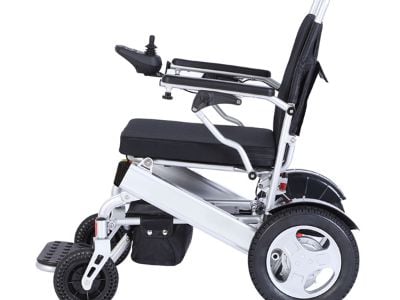
Understanding how wheelchair electric systems handle different terrain is crucial for purchasing managers and distributors in the mobility equipment sector. With various environments presenting unique challenges ranging from smooth pavements to rugged trails—buyers must consider how electric wheelchairs are designed to adapt. This article will delve into key specifications, installation guidance, cost factors, and common issues related to electric wheelchair systems, helping professionals make informed decisions for their clients and users.
Key Specifications to Consider for Wheelchair Electric Systems
When evaluating wheelchair electric systems for diverse terrains, several key specifications should be prioritized:
Motor Power: The motor's wattage significantly influences the wheelchair's ability to tackle inclines and uneven surfaces. Higher wattage typically provides better performance on steep or rugged terrain. For example, a 600W motor is often recommended for users who need to navigate hills, while a 250W motor may suffice for flat surfaces.
Battery Capacity: The battery type and capacity affect the wheelchair's range and performance. Lithium-ion batteries are common due to their lightweight and long-lasting characteristics. It's essential to assess how battery capacity can sustain mobility over various distances and terrains. A capacity of 24V 12Ah is standard, but users may need higher capacities for extended outdoor use.
Wheel Size and Type: Larger wheels generally offer better stability and traction on rough surfaces. Consideration should be given to the type of tires, such as pneumatic or solid, depending on the terrain. Pneumatic tires provide better shock absorption, while solid tires reduce maintenance.
Suspension System: A robust suspension system helps absorb bumps and shocks, enhancing user comfort and electric wheelchair durability. Systems with adjustable suspension are beneficial for users navigating a mix of terrains.
Weight Capacity: Ensure that the wheelchair can support the intended user’s weight. This specification is critical not only for safety but also for performance on inclines and uneven surfaces.
Understanding these specifications will allow buyers to select electric wheelchairs tailored to their customers' specific needs, improving user experience and satisfaction.
What to Look for in Electric Wheelchair Systems?
When sourcing electric wheelchair systems, buyers should look for several essential features:
Durability: Given the varied conditions under which electric power wheelchair may be used, durability is paramount. Look for models constructed with high-quality materials such as aluminum or reinforced steel frames, which resist wear and tear.
Portability: For users who need to transport wheelchairs, features like foldability and lightweight design are crucial. Electric wheelchairs that can be disassembled easily or folded compactly can enhance portability.
User-Friendly Controls: Intuitive controls are essential for ease of use. Buyers should check if the joystick and buttons are ergonomically designed and responsive, allowing users to navigate different terrains effortlessly.
Safety Features: Essential safety features include anti-tip mechanisms, speed limit settings, and efficient braking systems. These attributes ensure users can navigate challenging environments without compromising safety.
Customization Options: Since user requirements may vary widely, manufacturers offering customization options for seat height, width, or additional features like adjustable armrests can add significant value. This flexibility can cater to a broader customer base.
By focusing on these attributes, buyers can ensure they select electric wheelchair systems that meet diverse user needs and enhance overall mobility.
Installation Guidance for Wheelchair Electric Systems on Challenging Terrain
Installing electric wheelchair systems for challenging terrains requires careful planning and execution. Here are key considerations:
Assessing the Environment: Prior to installation, evaluate the terrain where the wheelchair will be used. Identifying potential obstacles, such as steep slopes or uneven ground, helps in selecting the appropriate system features, like wheel size and suspension type.
Installation Location: Ensure that the installation site has adequate space and a stable surface. For environments with significant slopes or uneven terrain, consider installing additional support systems such as ramps or stabilization platforms.
User Training: Once installed, provide comprehensive training for users on how to operate the wheelchair effectively in various conditions. This training should cover safe navigation techniques on inclines, declines, and rough surfaces.
Regular Maintenance: Establish a schedule for regular maintenance checks, including battery health assessments and tire condition evaluations. This ongoing care ensures that the wheelchair remains in optimal working condition for diverse terrains.
By following these guidelines, buyers can ensure a successful installation that enhances user safety and wheelchair performance in challenging environments.
Understanding Cost Factors for Electric Wheelchair Systems in Bulk
When procuring electric wheelchair systems in bulk, multiple cost factors should be considered:
Initial Purchase Price: The upfront cost of electric wheelchairs varies widely based on specifications and features. Buyers should assess the total cost of ownership, including potential maintenance and replacement parts.
Volume Discounts: Many manufacturers offer volume discounts that can significantly reduce the per-unit cost. Understanding the minimum order quantities (MOQ) and negotiating terms based on projected usage can lead to substantial savings.
Shipping and Handling: Bulk orders often incur higher shipping costs, especially for heavier units. Buyers should factor in these costs when budgeting and consider negotiating shipping terms with suppliers.
Warranty and Support: A robust warranty can mitigate long-term costs associated with repairs and replacements. Buyers should inquire about warranty terms and what support is included post-purchase.
Customization and Accessories: If customization options are required, buyers should account for any additional costs associated with tailoring wheelchairs to specific needs, such as specialized seating or adaptive controls.
By understanding these cost factors, buyers can make informed decisions that align with their budget while ensuring they meet user needs effectively.
Common Problems with Electric Wheelchairs and Effective Solutions
Electric wheelchairs may encounter several common problems, but many can be effectively resolved with proper management:
Battery Issues: One of the most frequent concerns is battery failure. Users should be educated on battery maintenance, including how to check charge levels and the importance of following charging protocols. For buyers, sourcing high-capacity and reliable batteries can prevent frequent replacements.
Mechanical Failures: Components such as motors, brakes, or wheels may fail due to wear and tear. Regular inspections and proactive maintenance are essential. Buyers should ensure that spare parts are readily available for quick repairs.
Control System Malfunctions: If the joystick or control panel becomes unresponsive, it may hinder usability. Buyers should opt for systems with high-quality control components and consider having a troubleshooting guide available for users.
Weight Distribution Problems: Improper weight distribution can lead to tipping, particularly on slopes. Buyers should emphasize the importance of adhering to weight limits and provide guidance on how to distribute weight effectively within the wheelchair.
User Comfort Issues: Long-term use can lead to discomfort or pressure sores. Buyers should prioritize models with adjustable seating options and cushioning to enhance user comfort.
By addressing these common issues, buyers can enhance the reliability and user satisfaction of electric wheelchair systems, ultimately improving the overall experience for their clients.
Table of Contents
- Key Specifications to Consider for Wheelchair Electric Systems
- What to Look for in Electric Wheelchair Systems?
- Installation Guidance for Wheelchair Electric Systems on Challenging Terrain
- Understanding Cost Factors for Electric Wheelchair Systems in Bulk
- Common Problems with Electric Wheelchairs and Effective Solutions