
 EN
 AR
 BG
 HR
 CS
 DA
 NL
 FI
 FR
 DE
 EL
 IT
 JA
 KO
 NO
 PL
 PT
 RO
 RU
 ES
 SV
 TL
 IW
 LV
 LT
 SR
 SK
 SL
 UK
 VI
 ET
 HU
 MT
 TH
 TR
 FA
 MS
 GA
 CY
 IS

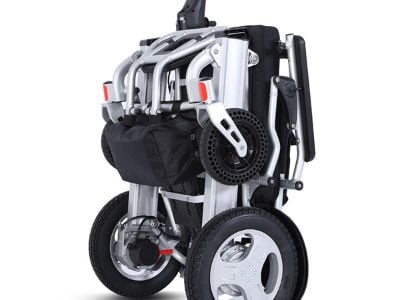
Understanding the travel range of electric folding wheelchairs is crucial for buyers looking to optimize mobility solutions for their clients or facilities. The travel range directly impacts usability, convenience, and overall satisfaction. This article will explore the factors that determine electric folding wheelchair travel range, addressing common buyer concerns such as battery specifications, quality control measures, sourcing, and cost considerations. By the end, readers will have a clearer understanding of how to evaluate options effectively.
How to Evaluate the Travel Range When Selecting Electric Wheelchairs?
Evaluating the travel range of electric wheelchairs involves understanding several key factors, including battery capacity, weight, terrain conditions, and the efficiency of the wheelchair's motor. The travel range is often measured in miles or kilometers and indicates how far the wheelchair can travel on a single charge.
When assessing travel range, buyers should consider the intended use. For instance, if the electric wheelchair will be used primarily indoors, a shorter range might suffice. However, for outdoor use or longer distances, a higher travel range is essential. Additionally, potential buyers should inquire about real-world testing results rather than relying solely on manufacturer claims, as actual performance can vary based on usage patterns and conditions.
It's also advisable for buyers to check if the manufacturer provides detailed specifications, including the maximum load capacity, as this can significantly affect the travel range. A typical electric wheelchair's range may vary from 10 to 30 miles, depending on these factors.
Understanding Battery Specifications for Optimal Electric Wheelchair Range
Battery specifications play a vital role in determining the travel range of electric folding wheelchairs. The most common type of battery used in these wheelchairs is the lithium-ion battery. Key specifications to look for include amp-hour (Ah) rating, voltage, and cycle life.
Amp-hour (Ah) Rating: This indicates the battery's capacity. A higher Ah rating generally means a longer travel range, as it stores more energy. For example, a wheelchair with a 20 Ah battery might travel further than one with a 12 Ah battery under similar conditions.
Voltage: The voltage rating impacts the power output and efficiency of the wheelchair. Most electric light wheelchair utilize either 24V or 36V systems. Higher voltage systems can provide better performance, especially on inclines or uneven terrain.
Cycle Life: This refers to how many charge and discharge cycles the battery can undergo before its capacity significantly diminishes. A battery with a longer cycle life can provide reliable performance over time, reducing the need for frequent replacements.
Buyers should also consider the charging time and the availability of replacement batteries, as these factors can affect the wheelchair's overall usability. Ensuring compatibility with standard charging stations can also enhance convenience for users.
Key Quality Control Measures for Reliable Electric Folding Wheelchairs
Quality control is paramount when manufacturing electric folding wheelchairs, as it directly impacts performance, safety, and durability. Key measures include rigorous testing of components, adherence to safety standards, and continuous monitoring throughout the production process.
Component Testing: Each component, from the motor to the battery and frame, should undergo thorough testing to ensure it meets specified performance criteria. This includes load testing, efficiency measurements, and safety inspections.
Certifications: Compliance with international standards such as ISO 13485 and FDA regulations is essential. These certifications indicate that the manufacturer follows strict guidelines for quality management systems, ensuring that products are safe and effective.
Production Monitoring: Implementing quality checkpoints throughout the manufacturing process helps identify defects early. Regular audits and inspections can prevent faulty products from reaching the market.
End-of-Line Testing: Each finished wheelchair should be tested for functionality, battery performance, and overall safety before shipment. This ensures that buyers receive a product that meets their expectations and can perform reliably in real-world scenarios.
By focusing on these quality control measures, manufacturers like Nanjing CareMoving Rehabilitation Equipment Co., Ltd. can assure buyers of a reliable and high-performing product.
Where to Source High-Quality Electric Wheelchairs for Bulk Orders?
Sourcing high-quality electric folding wheelchairs for bulk orders requires careful consideration of manufacturers' capabilities, certifications, and production processes. Buyers should prioritize suppliers with a proven track record in the industry, such as those with extensive experience and established reputations.
Manufacturer Reputation: Research potential suppliers by checking customer reviews, case studies, and industry recognition. A manufacturer with a strong reputation is more likely to provide consistent quality and support.
Production Capacity: Understanding a manufacturer’s production capacity is crucial for bulk orders. With a monthly production capacity of 2,000 wheelchairs, Nanjing CareMoving can meet large order demands while ensuring quality and timely delivery.
Customization Options: Many buyers have specific requirements for their electric wheelchairs, such as custom colors, additional features, or tailored specifications. Ensure the supplier can accommodate these requests without compromising quality.
Logistics and Support: Consider the manufacturer’s capabilities in terms of logistics and customer support. Effective communication and a reliable delivery system are critical to maintaining a smooth supply chain.
By focusing on these factors, buyers can effectively evaluate potential suppliers and make informed decisions about bulk purchases.
Cost Considerations for Electric Folding Wheelchair Travel Range
Cost is an important consideration when evaluating electric folding wheelchairs, particularly how it relates to the travel range. While a higher initial price may seem daunting, it’s essential to consider the long-term value and operational efficiency of the wheelchair.
Initial vs. Long-Term Costs: A wheelchair with a higher travel range typically requires a better battery and motor, which can increase the upfront cost. However, the long-term savings from reduced maintenance, lower battery replacement frequency, and increased user satisfaction can justify the investment.
Total Cost of Ownership (TCO): Buyers should calculate the total cost of ownership, which includes initial purchase price, maintenance costs, battery replacements, and energy consumption. This holistic view can help in comparing different models and manufacturers.
Financing Options: Some manufacturers offer financing or leasing options for bulk purchases, which can make high-quality electric wheelchairs more accessible. Understanding these options can help buyers manage budgets more effectively.
Warranty and Support: Evaluate the warranty length and terms offered by the manufacturer. A longer warranty can provide peace of mind and signify the manufacturer’s confidence in their product quality, impacting overall costs.
By considering these cost factors, buyers can make informed decisions that balance budget constraints with the need for high-quality, reliable mobility solutions.
Table of Contents
- How to Evaluate the Travel Range When Selecting Electric Wheelchairs?
- Understanding Battery Specifications for Optimal Electric Wheelchair Range
- Key Quality Control Measures for Reliable Electric Folding Wheelchairs
- Where to Source High-Quality Electric Wheelchairs for Bulk Orders?
- Cost Considerations for Electric Folding Wheelchair Travel Range