
 EN
EN
 AR
AR
 BG
BG
 HR
HR
 CS
CS
 DA
DA
 NL
NL
 FI
FI
 FR
FR
 DE
DE
 EL
EL
 IT
IT
 JA
JA
 KO
KO
 NO
NO
 PL
PL
 PT
PT
 RO
RO
 RU
RU
 ES
ES
 SV
SV
 TL
TL
 IW
IW
 LV
LV
 LT
LT
 SR
SR
 SK
SK
 SL
SL
 UK
UK
 VI
VI
 ET
ET
 HU
HU
 MT
MT
 TH
TH
 TR
TR
 FA
FA
 MS
MS
 GA
GA
 CY
CY
 IS
IS

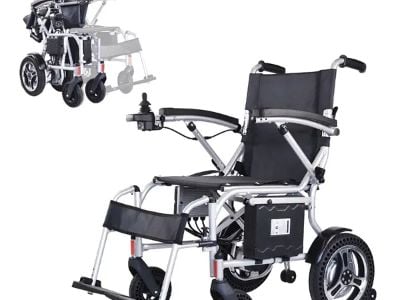
Electric wheelchairs have become essential mobility aids, enhancing the independence and quality of life for many users. A critical component of these devices is the drive technology that powers them, directly impacting their performance, safety, and reliability. This article delves into the drive technology behind 4 Wheel automatic folding mobility scooter performance, addressing key considerations for B2B buyers, including purchasing managers and engineers. By understanding these aspects, buyers can make informed decisions that align with user needs and operational requirements.
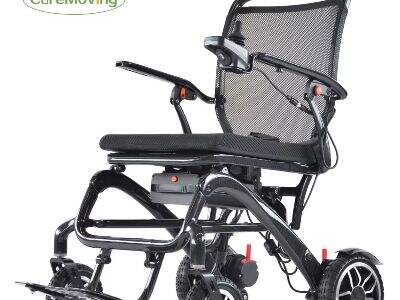
What to Consider When Choosing Electric Wheelchair Drive Systems
When selecting an electric wheelchair drive system, several factors come into play. First, consider the type of drive system—front-wheel drive, rear-wheel drive, or mid-wheel drive. Each offers different handling characteristics and suitability depending on the intended use, terrain, and user preferences.
Next, evaluate the motor specifications. Look for details such as the motor's power output (measured in watts), efficiency, and torque. A higher wattage motor typically provides better acceleration and the ability to navigate inclines, which is vital for users in varied environments. Additionally, the drive system's battery compatibility should be assessed; a reliable battery will ensure longer operational time and better overall performance.
Safety features are also paramount. Ensure that the drive system includes mechanisms such as anti-tip technology and braking systems that can respond quickly in emergencies. These features enhance user safety and provide peace of mind for caregivers and family members.
Finally, consider the ease of maintenance and availability of replacement parts. Selecting a drive system from a reputable manufacturer with a good support system can help minimize downtime and ensure longevity.
How to Compare Drive Technology in Electric Wheelchairs
Comparing drive technologies requires a thorough analysis of specifications and performance metrics. Start by examining the specifications of different drive systems, including motor type, gear ratios, and wheel configurations. For example, a geared motor may offer greater torque and efficiency at lower speeds, making it suitable for users who require precise control.
Another critical aspect is the maximum speed and range of the electric wheelchair. Typically, drive systems are optimized for particular environments—indoor or outdoor. Indoor-focused models may prioritize maneuverability over speed, while outdoor models might be designed for longer distances and rugged terrain.
User feedback is invaluable in this comparison. Look for reviews or case studies on how different drive technologies perform in real-world scenarios. This firsthand information can highlight potential issues or advantages that specifications alone may not reveal.
Finally, consider the customization options available. Some manufacturers offer configurations that allow for specific user needs, such as modifications for weight, size, or additional features like regenerative braking. Customization can significantly enhance the wheelchair's functionality and user satisfaction.
Quality Control Measures for Reliable Electric Wheelchair Drives
Quality control is essential in manufacturing electric wheelchair drive systems to ensure reliability and safety. First, ensure that the manufacturer has a robust quality management system, such as ISO 13485 certification, which focuses on medical device quality standards. This certification indicates adherence to stringent quality processes throughout the production cycle.
During the production process, regular inspections should occur at different stages, including material sourcing, component assembly, and final testing. Specific tests, such as load testing, can assess the drive system's performance under various conditions, ensuring it meets specified limits for power and torque.
Documentation is another critical aspect of quality control. Manufacturers should provide detailed records of testing outcomes, including compliance with relevant safety standards. Buyers should request this documentation to ensure that the products meet both performance and safety requirements.
Finally, post-production quality checks, including functional tests and user trials, can provide insights into the drive system's durability and ease of use. Manufacturers should be open to feedback and willing to address any issues that arise during these evaluations.
Understanding the Cost Factors of Electric Wheelchair Drive Systems
The cost of electric wheelchair drive systems can vary widely based on several factors. First, the complexity of the drive technology plays a significant role. Advanced systems with features such as smart controls, integrated sensors, or customizations will typically command higher prices due to the additional engineering and manufacturing efforts involved.
Material quality is another cost determinant. High-grade materials that offer durability and performance may increase initial costs but can lead to lower long-term maintenance and replacement costs. Buyers should weigh these factors when considering the overall value of a drive system.
Volume is also a critical consideration. Purchasing larger quantities often leads to reduced per-unit costs. Understanding the manufacturer’s minimum order quantity (MOQ) can help buyers plan their procurement strategy.
Lastly, shipping and logistics must be factored into the total cost. Depending on the destination and transportation method, these costs can add up quickly. Buyers should communicate with manufacturers about shipping options and associated costs to avoid surprises.
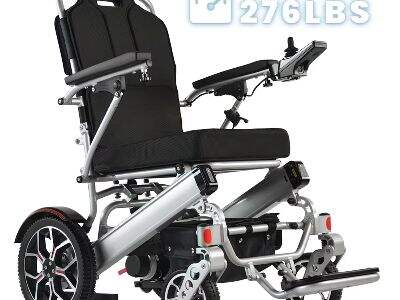
Applications of Advanced Drive Technology in Electric Wheelchairs
Advanced drive technology in electric wheelchair rentals enhances user experience across various applications. For instance, users requiring mobility in challenging terrains benefit from drive systems equipped with powerful motors and enhanced traction control. This technology enables smooth navigation over slopes, uneven surfaces, or even outdoor environments.
In healthcare settings, electric wheelchairs with sophisticated drive systems allow for easy maneuverability in tight spaces, such as hospital corridors or patient rooms. Features like joystick controls and programmable settings enable both users and caregivers to customize the wheelchair’s performance, enhancing comfort and efficiency during use.
Moreover, advancements in drive technology have led to the integration of smart features, such as obstacle detection and automatic braking systems. These innovations not only improve user safety but also reduce the likelihood of accidents, making electric wheelchairs more reliable for everyday use.
In summary, as electric wheelchairs continue to evolve with technology, understanding the drive systems behind their performance is crucial for buyers aiming to make informed purchasing decisions. By considering the factors outlined, B2B buyers can ensure they select the most appropriate drive technology for their specific needs and requirements.
Table of Contents
- What to Consider When Choosing Electric Wheelchair Drive Systems
- How to Compare Drive Technology in Electric Wheelchairs
- Quality Control Measures for Reliable Electric Wheelchair Drives
- Understanding the Cost Factors of Electric Wheelchair Drive Systems
- Applications of Advanced Drive Technology in Electric Wheelchairs