Choosing the right manual wheelchair is critical for businesses involved in mobility solutions. Manual wheelchairs are essential mobility aids that offer users independence and comfort while also presenting unique challenges for distributors and purchasing managers. This article will guide you through key considerations when selecting Manual Wheelchair, including specifications, cost factors, comparisons, and material advantages, helping you make an informed purchasing decision.
Selecting the appropriate manual wheelchair involves understanding the specific needs of your target market. Consider factors such as user demographics, environments in which the wheelchair will be used, and the types of disabilities that your customers may have. For instance, lightweight models may be preferable for users who travel frequently, while more robust designs may be necessary for users requiring additional support.
You should also evaluate the wheelchair's weight capacity, dimensions, and adjustability features. These specifications directly impact usability and comfort. Engaging with end users to gain insights into their preferences can also be beneficial. This ensures that the manual wheelchairs you choose will meet their mobility requirements and enhance their quality of life.
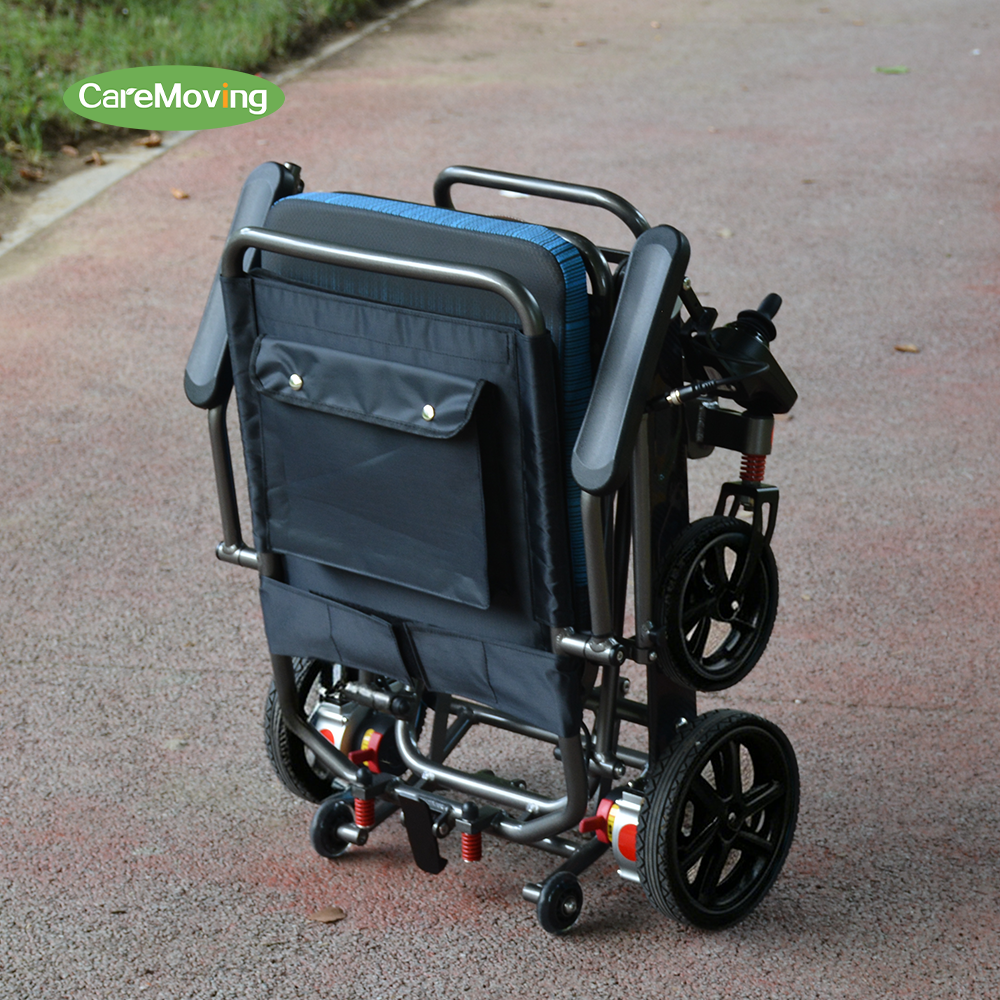
When assessing manual wheelchairs, several specifications should be prioritized:
Frame Material: Aluminum is lightweight and corrosion-resistant, making it a popular choice for portable models. Steel offers durability and strength but can add weight. The choice of material should align with the intended use of the wheelchair.
Weight Capacity: Ensure that the wheelchair can safely accommodate the expected user weight. Standard models typically support between 250 to 300 pounds, but heavy-duty options are available for higher weight limits.
Seat Width and Depth: Comfort is paramount, and proper seat dimensions can prevent pressure sores and enhance user satisfaction. Customization options may be necessary for users with specific needs.
Wheel Size: Larger rear wheels make it easier to navigate over obstacles, while smaller wheels enhance portability. Consider the typical environments in which the wheelchair will be used.
Adjustability Options: Features such as adjustable armrests, footrests, and backrests allow for better customization to fit individual user needs.
Understanding these specifications will help you choose manual wheelchairs that meet the needs of your target market effectively.
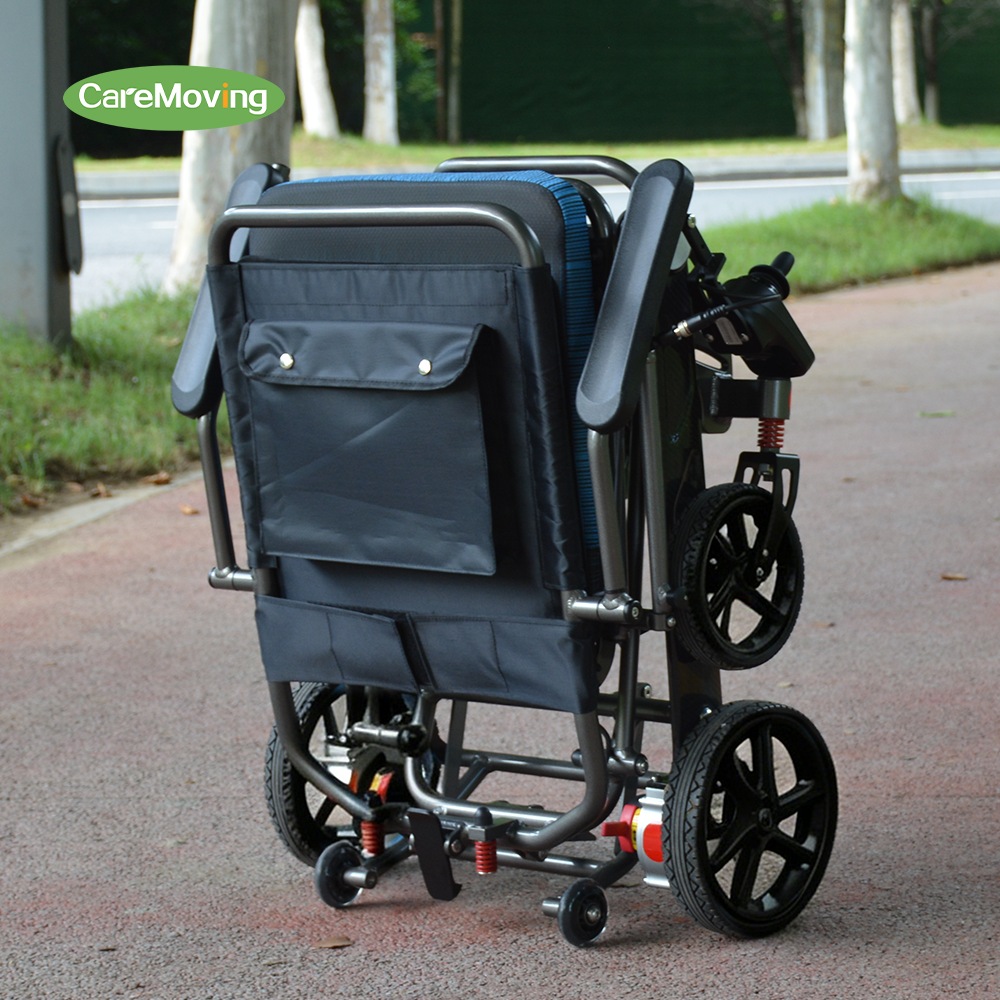
Pricing for manual wheelchairs can vary significantly based on several factors, including material choice, design complexity, and manufacturing processes. Here are some key cost considerations:
Material Costs: High-strength materials like titanium may increase upfront costs but could lead to long-term savings through enhanced durability and lower maintenance needs.
Customization: Custom features tailored to specific user requirements can elevate costs. It's essential to balance customization with demand to ensure profitability.
Quantity Discounts: Buying in bulk can reduce per-unit costs. Understanding your market demand can help you leverage this advantage when negotiating with suppliers.
Logistics and Import Fees: Consider additional costs related to shipping, tariffs, and handling, especially if sourcing from international manufacturers. These can significantly impact the total procurement cost.
By comprehensively analyzing these factors, you can create a budget that reflects the true costs associated with manual wheelchair procurement.
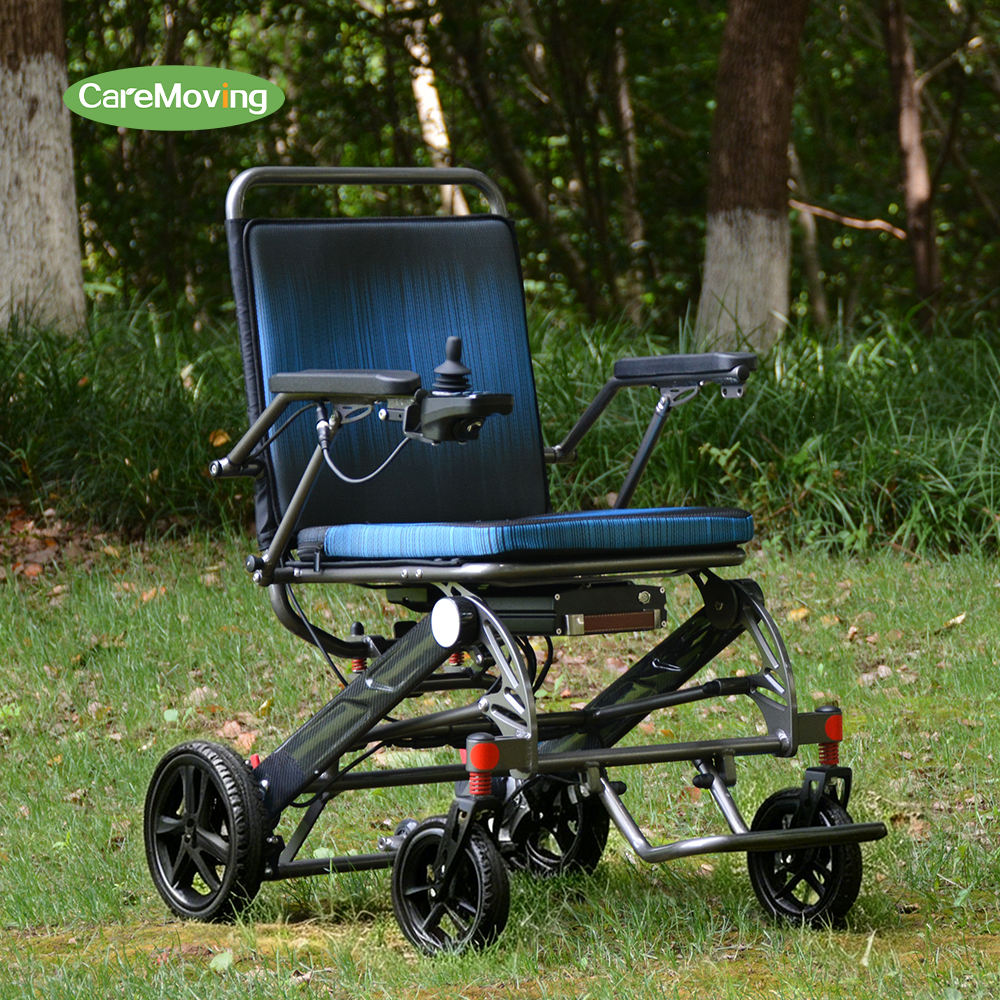
To effectively compare different manual wheelchair models for your projects, create a standardized evaluation system. Consider the following steps:
Create a Comparison Chart: List down the essential specifications of each model, including weight, dimensions, material, and pricing. This visual aid will help streamline the decision-making process.
User Feedback: Gathering testimonials from end users who have experience with different models can provide valuable insights. Real-world experiences often highlight practical issues that specifications alone may not reveal.
Test Samples: If possible, request samples for testing. Evaluate them under actual usage conditions to assess comfort, durability, and ease of use.
Supplier Reputation: Research potential suppliers' reputations, focusing on their manufacturing processes, quality control measures, and customer service. A reliable supplier can be a significant asset, especially for ongoing projects.
By systematically comparing models, you can ensure that you select manual wheelchairs that align with both user needs and business objectives.
We don't stop with sales. Our comprehensive after-sales services ensure the smooth operation and installation. Our Foldable mobility scooter is committed to resolving any issues quickly and efficiently. We're sure that we can provide a sustainable and reliable solution for your hardware requirements. We also offer stable quality and Delivery Time
Nanjing CareMoving Rehabilitation Equipment Co. Ltd situated in Nanjing (China), is a business that combines Wheel chair price and industry. It is a company that combines trade and industry that specializes in the production and distribution of electric wheelchairs and elderly mobility scooters. The company has an annual production capacity of 1200 units. Our factory is ISO 13485 certified, FDA, MDR CE and UKCA.
We at our company value customer experience and strive to provide the best pre-sales support. Our company offers Motorized wheel chairs and ODM services, we have no-cost samples for dealers who are of the highest quality who are in the business. Our expert team is always ready to answer your questions and respond promptly to your needs, aiding you and working with you to find the best solution to your needs.
Our team is committed to providing the best quality machines. Every employee does their job with dedication, and is accountable for their task. We are confident that our technology and efforts will yield better results. Our manufactured and developed products are tested on specially designed Electric wheelchair.

With modern and green as our product concept,CareMoving is committed to become a globally recognized supplier of electric wheelchairs and senior mobility scooters,providing win-win cooperation solutions for our overseas customers,as well as providing the best products for our users. --Care Life,Moving Easy--
Room 8701&8707, Building A4, No.128 Jiangjun Avenue, Nanjing, China.
Copyright © Nanjing CareMoving Rehabilitation Equipment Co.,Ltd All Rights Reserved- Privacy Policy- Blog

 EN
EN
 AR
AR
 BG
BG
 HR
HR
 CS
CS
 DA
DA
 NL
NL
 FI
FI
 FR
FR
 DE
DE
 EL
EL
 IT
IT
 JA
JA
 KO
KO
 NO
NO
 PL
PL
 PT
PT
 RO
RO
 RU
RU
 ES
ES
 SV
SV
 TL
TL
 IW
IW
 LV
LV
 LT
LT
 SR
SR
 SK
SK
 SL
SL
 UK
UK
 VI
VI
 ET
ET
 HU
HU
 MT
MT
 TH
TH
 TR
TR
 FA
FA
 MS
MS
 GA
GA
 CY
CY
 IS
IS

