When exploring mobility solutions for various applications, the 4 wheel drive scooter stands out as a versatile option for enhancing independence and accessibility. These scooters are designed to provide users with the freedom to navigate a variety of terrains while ensuring comfort and safety. As a purchasing manager or distributor, understanding the specific needs of your clientele and the features of these scooters is essential for making informed decisions. This article will guide you through key considerations when selecting a 4 wheel drive scooter, from specifications to common problems and their solutions.
Selecting the appropriate 4 wheel drive scooter requires careful evaluation of several factors. Begin by assessing the intended use—will the scooter primarily serve urban environments, rugged terrains, or indoor spaces? Consider the weight capacity required for your users, as this will directly influence the scooter's design and performance. For example, the Fast 4-Wheel Electric Mobility Scooter for Handicapped Disabled People is designed to provide excellent support for various user needs.
Next, evaluate features such as battery life, charging time, and range. High-capacity batteries are crucial for users who require extended travel without frequent recharging. Additionally, look for scooters with adjustable seating and ergonomic designs to ensure user comfort. Finally, consider the manufacturer’s reputation, certification standards, and after-sales support, as these factors can significantly affect the longevity and reliability of the scooters you choose.
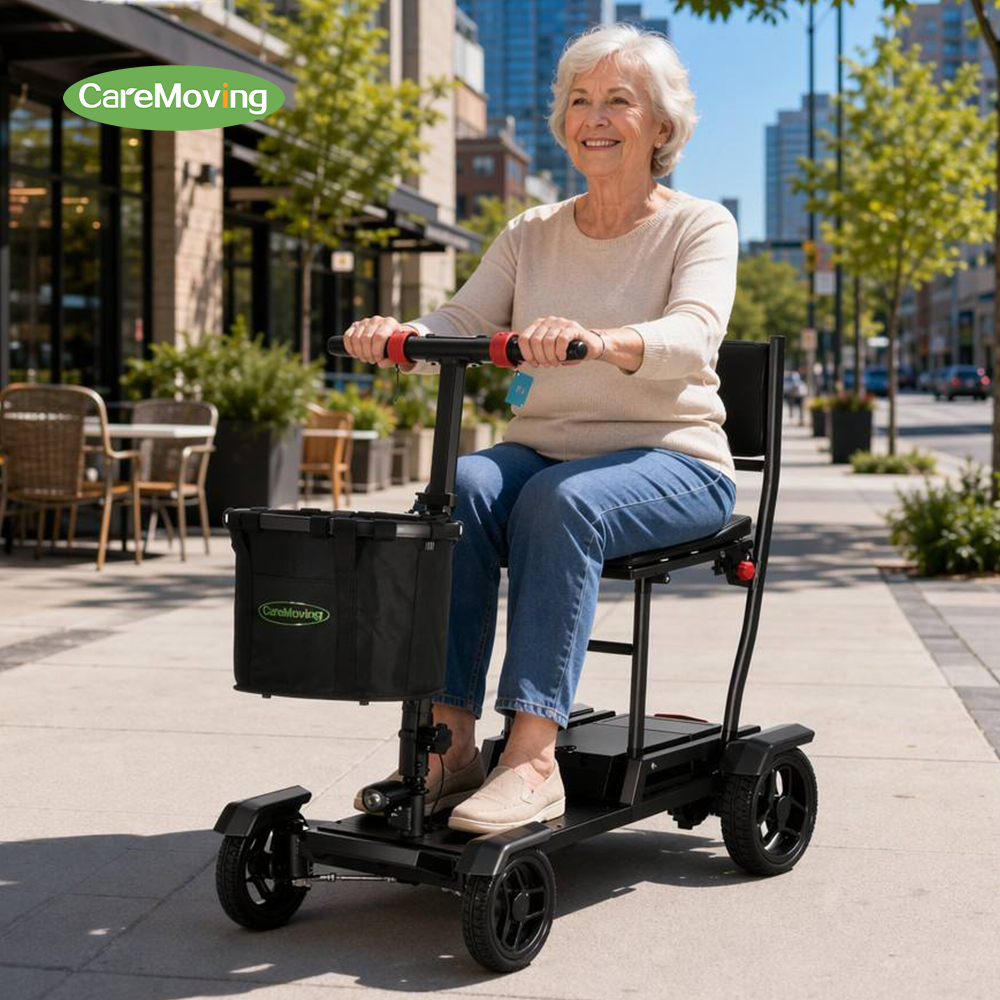
When assessing 4 wheel drive scooters, several key specifications should be prioritized:
Wheel Size and Type: Larger wheels generally provide better stability and traction on uneven surfaces. Ensure that the scooter's wheel type is suitable for your target terrain.
Weight Capacity: Confirm the maximum weight the scooter can support. This is critical for safety and performance.
Dimensions: The scooter's overall dimensions should fit the intended user’s size and provide ease of maneuverability in various environments.
Turning Radius: A smaller turning radius allows for better navigation in tight spaces, which is especially important for indoor use.
Speed and Range: Evaluate the top speed and how far a full charge can take the scooter. This will impact user experience and suitability for different applications.
Durability and Materials: Look for scooters made with high-quality materials that withstand wear and tear, particularly in industrial or outdoor settings. For instance, the Caremoving Electric Mobility Scooter is a great example of a durable option.
Understanding these specifications will help you match the right scooter to your customers' needs, ensuring satisfaction and safety.
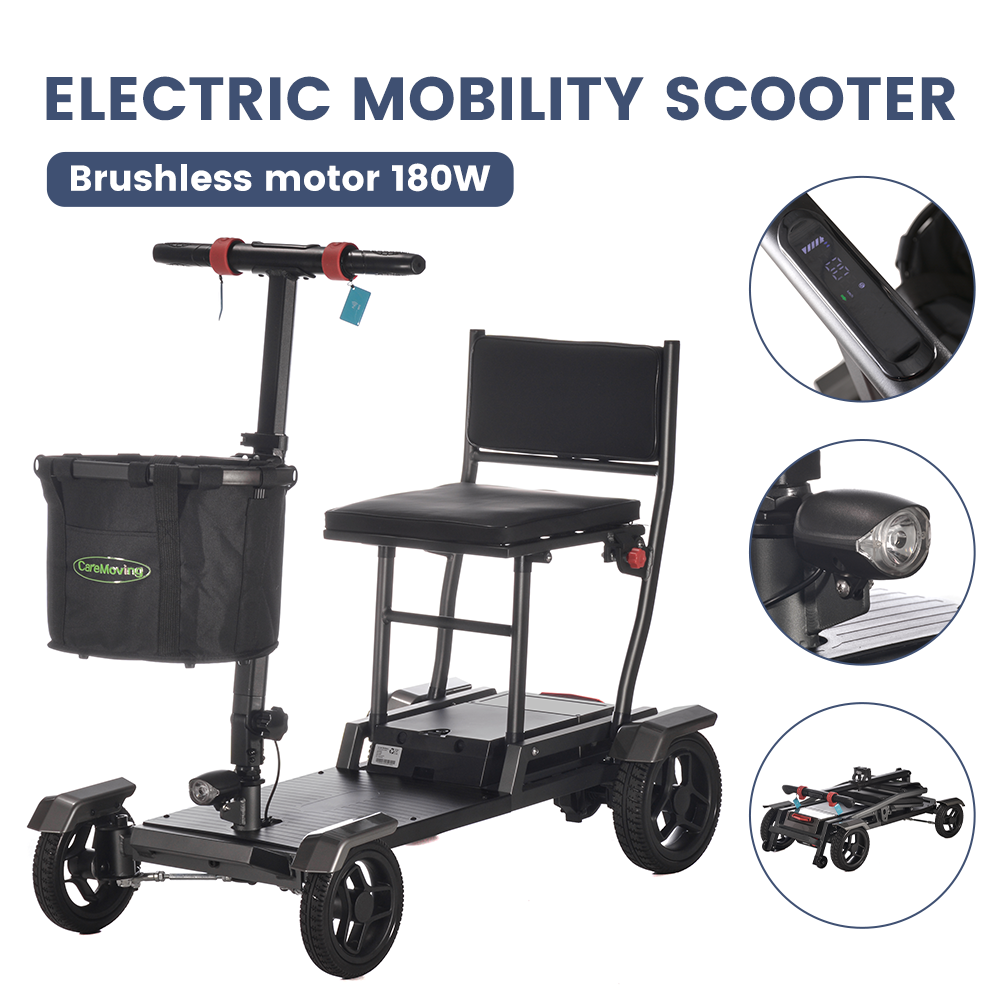
Installation of 4 wheel drive scooters in various projects should consider several factors to ensure proper integration and functionality. First, assess the environment where the scooters will be used. For instance, outdoor installations may require additional considerations for weatherproofing and accessibility.
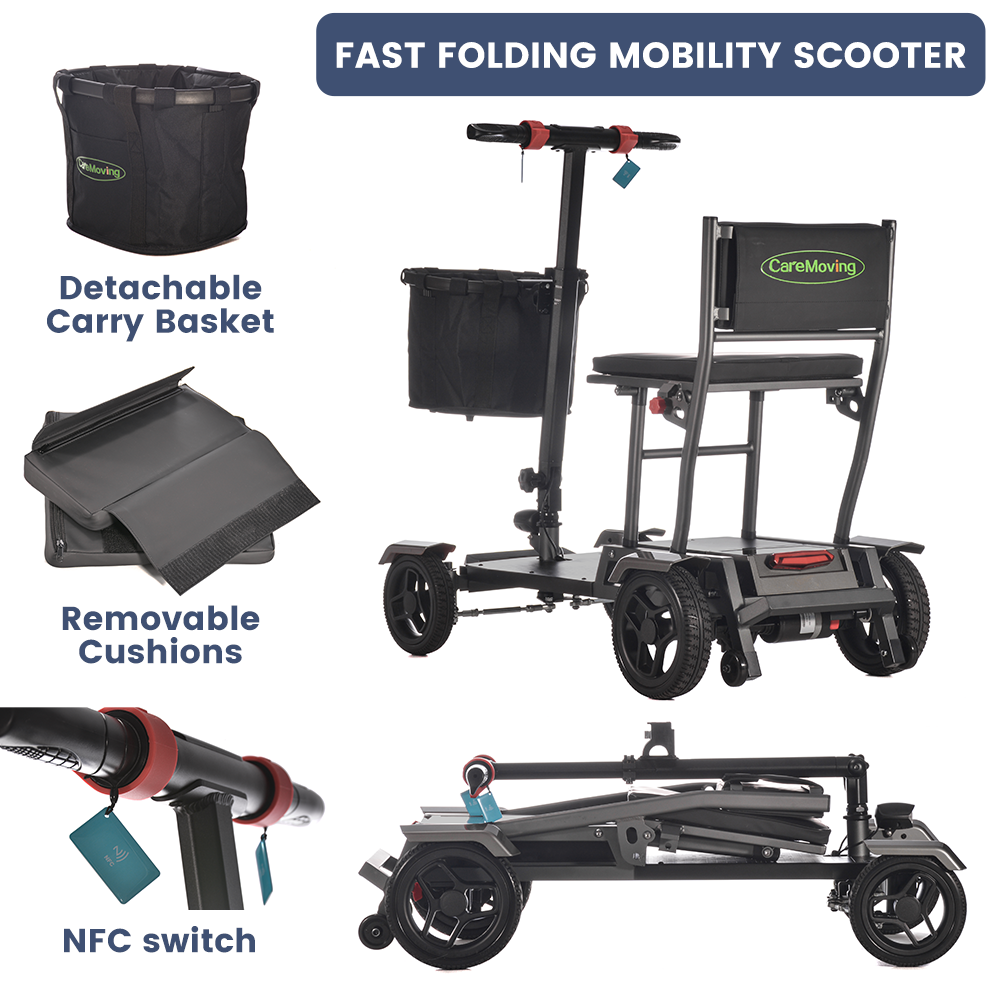
Next, provide clear guidelines for assembling the scooters, which may involve adjusting components like the seat, handlebars, and battery. It’s essential to follow the manufacturer’s instructions closely to avoid compromising safety. Additionally, ensure that any necessary permits or compliance with local regulations are obtained prior to installation.
Finally, training for users on how to operate the scooters safely and effectively is crucial. This can include demonstrations on how to charge the battery, adjust settings, and navigate various terrains.
While 4 wheel drive scooters are designed for durability, issues can arise that may affect their performance. Here are some common problems and their solutions:
Battery Issues: Users may encounter reduced range or charging problems. Regularly inspect the battery for signs of damage and ensure connections are secure. Encourage users to follow recommended charging practices to extend battery life.
Tire Wear: Tires can wear unevenly, especially if the scooter is used on rough terrains. Regularly check tire pressure and tread. Replace tires as needed to maintain safety and performance.
Mechanical Failures: Components such as brakes or motors may fail over time. Establish a routine maintenance schedule to inspect and service these parts, ensuring longevity and reliability.
User Error: Sometimes, issues arise from misuse. Providing comprehensive training materials can help users understand how to operate the scooters safely and troubleshoot minor issues.
By addressing these common problems proactively, you can enhance user satisfaction and reduce the likelihood of costly repairs.
Nanjing CareMoving Rehabilitation Equipment Co. Ltd is located in Nanjing, China. It is a Light wheelchair that integrates trade and industry, specializing in the production and distribution of electric wheelchairs and mobility scooters for the elderly, with an annual production capacity of 1200 units. Our factory has ISO 13485, FDA, MDR CE, UKCA, and RoHS certifications.
Our team is committed to providing you with the top quality equipment. Every member of the team is diligent in their work and is responsible for each job. Our experience and technology are sure to Light wheelchair better results. Our designed and mass-produced products are tested on specially designed equipment.
We don't stop after sales. We offer an extensive after-sales support to ensure Powerchair wheelchair installation and operation of your hardware devices. Our experienced team is committed to resolving issues swiftly and efficiently. We are confident that we will provide a long-lasting and reliable solution for your hardware needs. Also, we have stable quality and Delivery Time
We value the customer's Wheelchair within our business and offer outstanding pre-sales assistance. We offer OEM and ODM services, and we provide free samples for high-quality dealers. Our expert team will be happy to assist you determine the most effective solution to meet your needs.

With modern and green as our product concept,CareMoving is committed to become a globally recognized supplier of electric wheelchairs and senior mobility scooters,providing win-win cooperation solutions for our overseas customers,as well as providing the best products for our users. --Care Life,Moving Easy--
Room 8701&8707, Building A4, No.128 Jiangjun Avenue, Nanjing, China.
Copyright © Nanjing CareMoving Rehabilitation Equipment Co.,Ltd All Rights Reserved- Privacy Policy- Blog

 EN
 AR
 BG
 HR
 CS
 DA
 NL
 FI
 FR
 DE
 EL
 IT
 JA
 KO
 NO
 PL
 PT
 RO
 RU
 ES
 SV
 TL
 IW
 LV
 LT
 SR
 SK
 SL
 UK
 VI
 ET
 HU
 MT
 TH
 TR
 FA
 MS
 GA
 CY
 IS

