
 EN
EN
 AR
AR
 BG
BG
 HR
HR
 CS
CS
 DA
DA
 NL
NL
 FI
FI
 FR
FR
 DE
DE
 EL
EL
 IT
IT
 JA
JA
 KO
KO
 NO
NO
 PL
PL
 PT
PT
 RO
RO
 RU
RU
 ES
ES
 SV
SV
 TL
TL
 IW
IW
 LV
LV
 LT
LT
 SR
SR
 SK
SK
 SL
SL
 UK
UK
 VI
VI
 ET
ET
 HU
HU
 MT
MT
 TH
TH
 TR
TR
 FA
FA
 MS
MS
 GA
GA
 CY
CY
 IS
IS

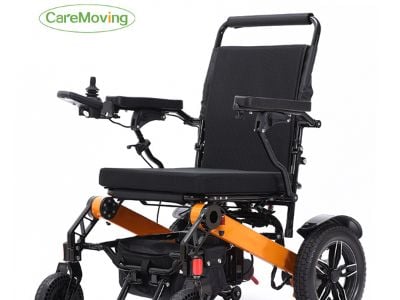
Foldable electric wheelchairs are a practical solution for individuals seeking mobility assistance while maintaining the ability to transport their device easily. Understanding how foldable electric wheelchair fit into vehicle trunks is crucial for purchasing managers, distributors, and engineers who are evaluating options for clients or personal use. This article will address key specifications, quality comparisons, trusted suppliers, cost factors for bulk orders, and common problems along with their solutions, providing comprehensive insights for informed purchasing decisions.
Key Specifications for Foldable Electric Wheelchairs in Vehicle Trunks
When considering foldable electric wheelchairs, several key specifications must be evaluated to ensure they fit comfortably in vehicle trunks. The primary dimensions to focus on include the overall length, width, and height when folded. Most models should ideally fold down to a compact size, typically around 30 inches in length, 25 inches in width, and a height of 15 inches or less.
Weight is another critical factor; a lightweight design (generally between 50 to 70 pounds) enhances portability and ease of handling. The material composition is also essential—aluminum frames are preferred for their strength-to-weight ratio, while seat materials should offer comfort and durability. Additionally, battery specifications, such as type (lithium-ion is common) and capacity (measured in amp-hours), can affect range and charging time, influencing the user experience.
Buyers should also consider the wheelchair's turning radius and wheel size, as these can impact maneuverability both on sidewalks and when loading into a vehicle.
Comparing Quality and Performance of Foldable Electric Wheelchairs
Quality assessments of foldable electric wheelchairs often hinge on their performance in real-world applications. Key performance indicators include battery life, maximum speed, and weight capacity. Models typically offer speeds up to 5 mph and can support users weighing between 250 to 350 pounds.
Durability is also paramount; look for wheelchairs that undergo rigorous testing for structural integrity and functionality. Certifications such as ISO 13485 and FDA compliance indicate adherence to international quality standards.
Moreover, features like shock absorption, range of adjustable seating, and ease of folding mechanisms should be compared across models. A good practice is to request a demonstration or a sample unit to evaluate how well the chair performs under various conditions, ensuring it meets the specific needs of the intended users.
Reliable Suppliers of Foldable Electric Wheelchairs
Choosing a reliable supplier of foldable electric wheelchairs is crucial for ensuring quality and service. Suppliers should have a proven track record in manufacturing and exporting, such as Nanjing CareMoving Rehabilitation Equipment Co., Ltd. This company specializes in electric wheelchair and mobility scooters, backed by certifications including ISO 13485 and FDA approval, which reflect their commitment to quality.
When evaluating suppliers, buyers should inquire about their production capacity, customization options, and after-sales support. A reputable supplier will be transparent with lead times and MOQ (minimum order quantities), allowing buyers to plan their inventory effectively. Checking references and reviews from other clients can also provide insights into the reliability and service quality of the supplier.
Evaluating Cost Factors for Bulk Orders of Electric Wheelchairs
Cost is a significant consideration when purchasing foldable electric wheelchairs in bulk. Buyers should evaluate not only the unit price but also additional costs such as shipping, taxes, and potential import duties. For bulk orders, suppliers might offer tiered pricing, so understanding the MOQ can be advantageous for negotiating better rates.
It’s also essential to assess the total cost of ownership, which includes maintenance and potential repairs. A lower initial price may not always equate to a better deal if the product requires frequent service or replacement parts. Buyers should also consider financing options or payment plans offered by suppliers to ease cash flow management.
Furthermore, evaluating the warranty and return policies is critical. A robust warranty can mitigate risks associated with bulk purchases and ensure that any initial defects are promptly addressed.
Common Problems with Foldable Electric Wheelchairs and Their Solutions
Despite their advantages, foldable electric wheelchairs can experience several common issues. One frequent concern is the folding mechanism, which may wear out over time. Regular maintenance checks can help identify and address wear before it affects usability.
Battery-related issues are also prevalent; users may notice diminished range or charging problems. Buyers should ensure that the battery specifications are clearly understood and consider investing in spare batteries for extended use.
Another common problem is the fit in vehicle trunks, which may vary between different vehicle models. To avoid this, buyers should measure trunk dimensions beforehand and choose a foldable mobility scooter model that fits those specifications.
Lastly, comfort is a significant factor; inadequate seating can lead to discomfort during use. It's essential to assess the seat design and cushioning, and suppliers should offer options for customization to fit user preferences better.
By understanding these specifications, quality indicators, supplier evaluations, cost factors, and potential problems, purchasing managers and distributors can make informed decisions when selecting foldable electric wheelchairs that fit their needs.
Table of Contents
- Key Specifications for Foldable Electric Wheelchairs in Vehicle Trunks
- Comparing Quality and Performance of Foldable Electric Wheelchairs
- Reliable Suppliers of Foldable Electric Wheelchairs
- Evaluating Cost Factors for Bulk Orders of Electric Wheelchairs
- Common Problems with Foldable Electric Wheelchairs and Their Solutions