
 EN
EN
 AR
AR
 BG
BG
 HR
HR
 CS
CS
 DA
DA
 NL
NL
 FI
FI
 FR
FR
 DE
DE
 EL
EL
 IT
IT
 JA
JA
 KO
KO
 NO
NO
 PL
PL
 PT
PT
 RO
RO
 RU
RU
 ES
ES
 SV
SV
 TL
TL
 IW
IW
 LV
LV
 LT
LT
 SR
SR
 SK
SK
 SL
SL
 UK
UK
 VI
VI
 ET
ET
 HU
HU
 MT
MT
 TH
TH
 TR
TR
 FA
FA
 MS
MS
 GA
GA
 CY
CY
 IS
IS

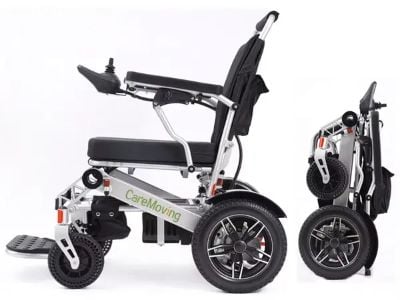
The design of foldable electric wheelchairs is heavily influenced by their folding mechanisms, which play a crucial role in portability and user convenience. Understanding the folding mechanism behind foldable Electric Wheelchair is essential for B2B buyers, including purchasing managers and distributors, who seek to ensure both functionality and safety in mobility solutions. This article will provide insights into selecting the right folding mechanism, key specifications, quality evaluation, and applications across various industries, empowering readers to make informed purchasing decisions.
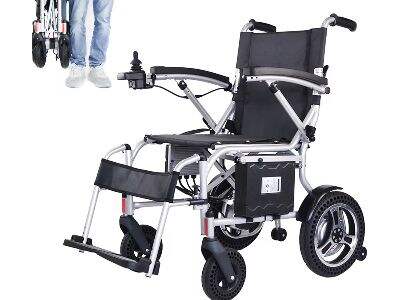
How to Choose the Right Folding Mechanism for Electric Wheelchairs
Selecting the appropriate folding mechanism for electric wheelchairs involves evaluating several crucial factors. Buyers should consider the intended use, portability requirements, and user preferences.
Portability: If the wheelchair needs to be frequently transported, a lightweight and compact folding mechanism is vital. Mechanisms that allow for quick folding and unfolding can significantly enhance user convenience, especially in public spaces or vehicles.
Durability: The folding mechanism should be constructed from robust materials that can withstand regular use without compromising safety. Materials like aluminum or high-strength steel are often preferred for their balance between weight and strength.
Ease of Use: The mechanism should be user-friendly, enabling users of varying abilities to operate it without assistance. Features such as one-handed operation or automatic folding can be advantageous.
Ultimately, buyers should align the folding mechanism choice with the specific needs of their target market, ensuring the product meets both user expectations and safety standards.
Key Specifications for Foldable Electric Wheelchair Design
When evaluating foldable electric wheelchairs, several key specifications must be scrutinized to ensure optimal performance:
Weight Capacity: Each wheelchair has a specified weight limit that must not be exceeded to maintain safety and functionality. Understanding the weight capacity helps in selecting an appropriate model for different user demographics.
Dimensions: The dimensions when folded and unfolded are critical for portability and storage. Buyers should check the folded dimensions to ensure they fit within the intended transport or storage spaces.
Battery Life and Range: The battery specifications dictate how far a wheelchair can travel on a single charge. Buyers should consider the range required for typical usage scenarios.
Speed and Maneuverability: Specifications related to maximum speed and turning radius are essential for ensuring the wheelchair meets the needs of users in various environments, such as urban settings or indoor spaces.
Folding Mechanism Complexity: Evaluate whether the folding mechanism is simple enough for users to operate independently. Complex mechanisms may require additional user training or assistance.
By closely examining these specifications, buyers can make informed decisions that align with their operational requirements.
Evaluating Quality in Electric Wheelchair Mechanisms
Quality evaluation of folding mechanisms in electric wheelchairs requires a systematic approach to ensure reliability and safety. Here are some key aspects to consider:
Material Quality: The choice of materials directly impacts the durability and functionality of the folding mechanism. Buyers should prioritize high-grade metals and composites that resist wear and corrosion.
Manufacturing Standards: Look for compliance with international standards such as ISO 13485, which pertains to medical device quality management systems. This ensures that the wheelchair has been manufactured under stringent quality controls.
Testing Procedures: Buyers should inquire about the testing procedures used to validate the folding mechanism’s performance. Rigorous testing, including stress tests and safety evaluations, is essential to ensure long-term reliability.
Warranty and Support: A robust warranty and after-sales support can indicate the manufacturer's confidence in their product quality. This gives buyers assurance that any defects or issues will be addressed efficiently.
User Feedback: Gathering feedback from end-users can provide valuable insights into the practical performance of the folding mechanism. Consider reviews and ratings to gauge real-world usability.
By implementing a thorough quality evaluation process, buyers can minimize risks associated with product failures and enhance customer satisfaction.
Comparing Folding Mechanisms for Enhanced Wheelchair Portability
Different types of folding mechanisms offer varying advantages and disadvantages. Here’s a comparison of popular folding mechanisms used in electric wheelchairs:
Manual Folding Mechanism: This type requires user input to fold and unfold the wheelchair. While often more affordable, it may not be suitable for all users, particularly those with limited dexterity.
Automatic Folding Mechanism: These mechanisms use motors to fold and unfold the wheelchair at the push of a button. They provide greater convenience and ease of use but may come at a higher price point.
Hinge-Based Mechanism: Commonly found in many designs, hinge-based mechanisms can provide a compact fold. However, the quality of the hinges is critical; low-quality hinges can wear out quickly.
Cross-Brace Mechanism: This design allows for a more compact structure when folded. It can be particularly advantageous for users who prioritize storage space but may compromise on weight capacity.
When comparing these mechanisms, consider the target audience's needs and the environments where the wheelchairs will be used.

Applications of Foldable Electric Wheelchairs in Various Industries
Foldable electric wheelchairs find applications across multiple sectors, reflecting their versatility and user-friendly design.
Healthcare Facilities: Hospitals and rehabilitation centers utilize foldable electric wheelchairs for their ease of transport between rooms or during patient transfer. Ensuring the wheelchairs meet healthcare regulatory standards is crucial for compliance.
Retail Spaces: In shopping centers, foldable electric wheelchairs can assist customers with mobility challenges, allowing them to navigate large areas comfortably. Retailers benefit from providing accessible solutions, enhancing customer experience.
Travel and Tourism: Airlines and travel companies are increasingly offering foldable electric Wheelchair to accommodate travelers with mobility impairments. Ensuring compliance with airline regulations regarding size and weight is essential for smooth transportation.
Home Use: Many individuals opt for foldable electric wheelchairs for personal use within their homes or neighborhoods. The compact design makes them suitable for urban living, where space is often limited.
Outdoor Recreation: Foldable electric wheelchairs designed for outdoor use are gaining popularity for activities such as hiking or exploring parks. These models often feature enhanced durability and terrain suitability.
The folding mechanism behind foldable electric wheelchair design is a critical consideration for B2B buyers. By understanding the factors influencing selection, specifications, quality evaluation, and industry applications, purchasing managers and distributors can make informed decisions that meet the needs of their customers.
Table of Contents
- How to Choose the Right Folding Mechanism for Electric Wheelchairs
- Key Specifications for Foldable Electric Wheelchair Design
- Evaluating Quality in Electric Wheelchair Mechanisms
- Comparing Folding Mechanisms for Enhanced Wheelchair Portability
- Applications of Foldable Electric Wheelchairs in Various Industries